Estamos processando sua solicitação.
Por favor, não feche nem atualize a página.
Ingressos para Filadélfia Independence Seaport Museum O cruzador Olympia e o submarino Becuna
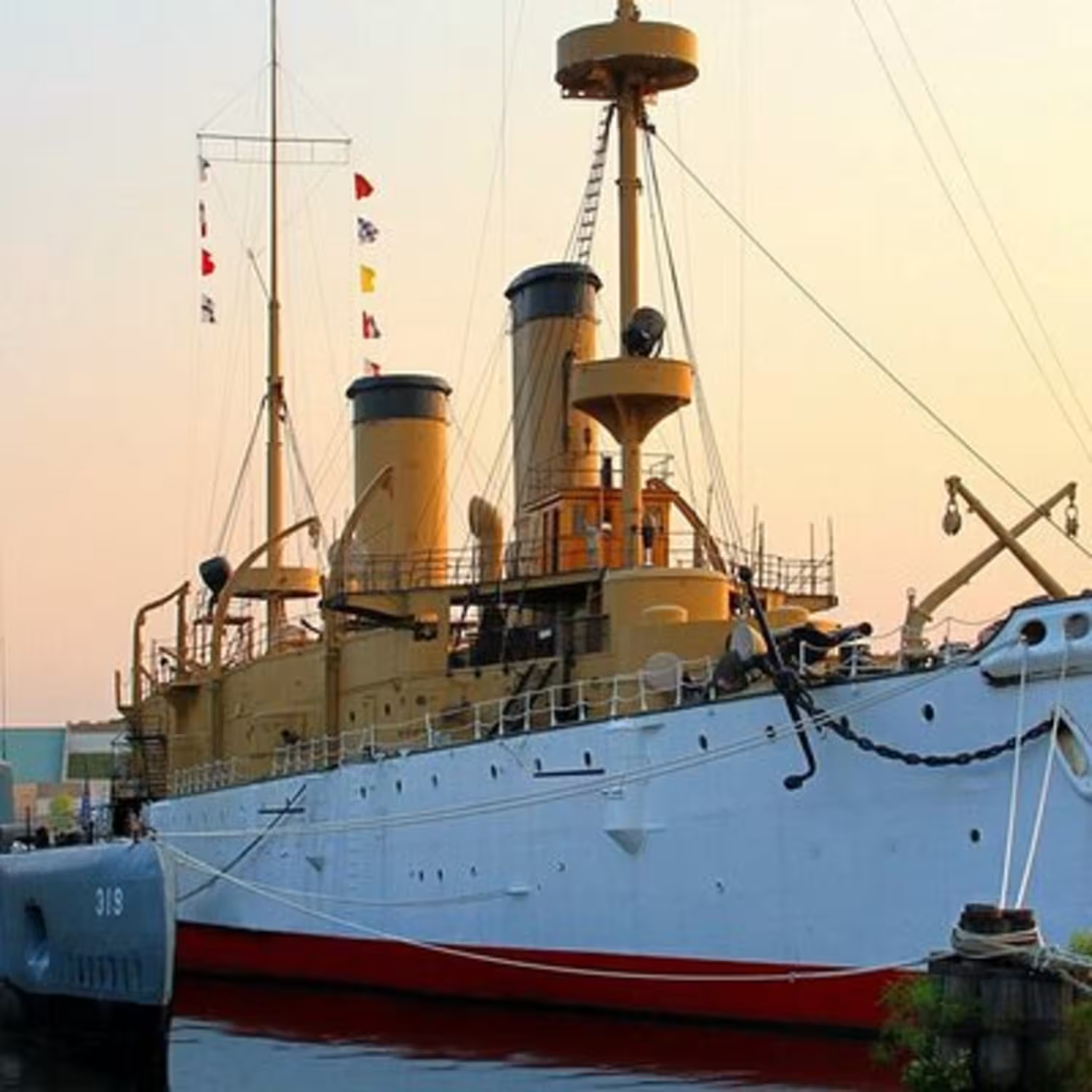
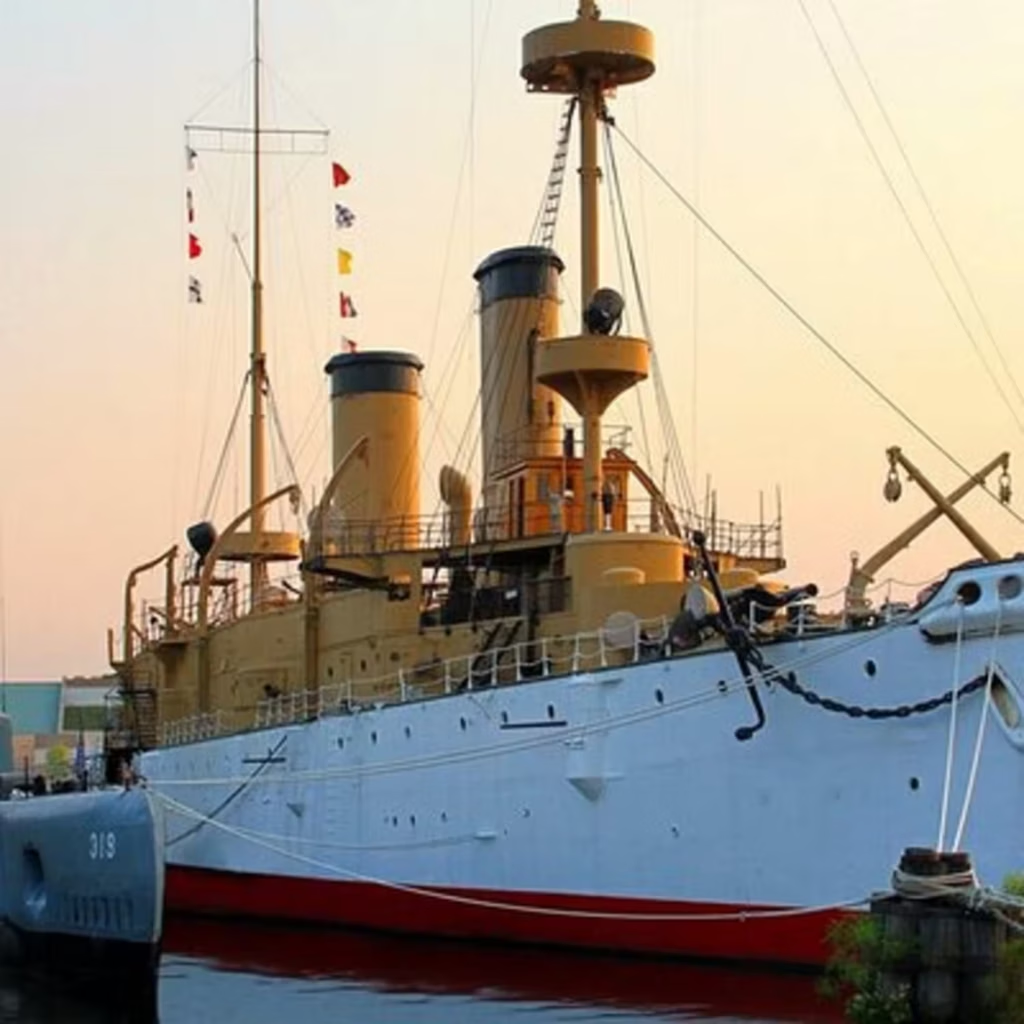
Cruiser Olympia moored at Penn's Landing in Philadelphia

Cruiser Olympia and Submarine Becuna: Visitor Guide

Two National Historic Landmark ships sit side by side at Penn's Landing. Their history, what to see on each deck, how long to allow and what to know before you climb aboard.

Moored next to the Independence Seaport Museum at Penn's Landing are two ships that span half a century of American naval history. Cruiser Olympia entered service in February 1895 and led the US squadron at the Battle of Manila Bay in 1898; Submarine Becuna was launched in 1944 and made five war patrols in the Pacific before a long Cold War career. Both are National Historic Landmarks, and together they are the reason many visitors come to the museum. This guide explains the story of each ship, what you can see on Olympia's three decks, how the Becuna tours work, how much time to allow and the practical rules that apply on board. For everything else about your day on the waterfront, see our Independence Seaport Museum visitor guide.

Entrada no Museu do Porto da Independência

Destaques

Conheça duas embarcações históricas reconhecidas como Marcos Históricos Nacionais.

Suba a bordo do Cruiser Olympia, o navio de guerra de aço mais antigo ainda em serviço e famoso por seu papel na Guerra Hispano-Americana.

Visite o submarino Becuna, da Segunda Guerra Mundial e da Guerra Fria, para conhecer a tecnologia submarina e ouvir histórias de bravura naval.

Desfrute de uma experiência ideal para toda a família, com exposições distribuídas por dois andares que apresentam a história marítima.

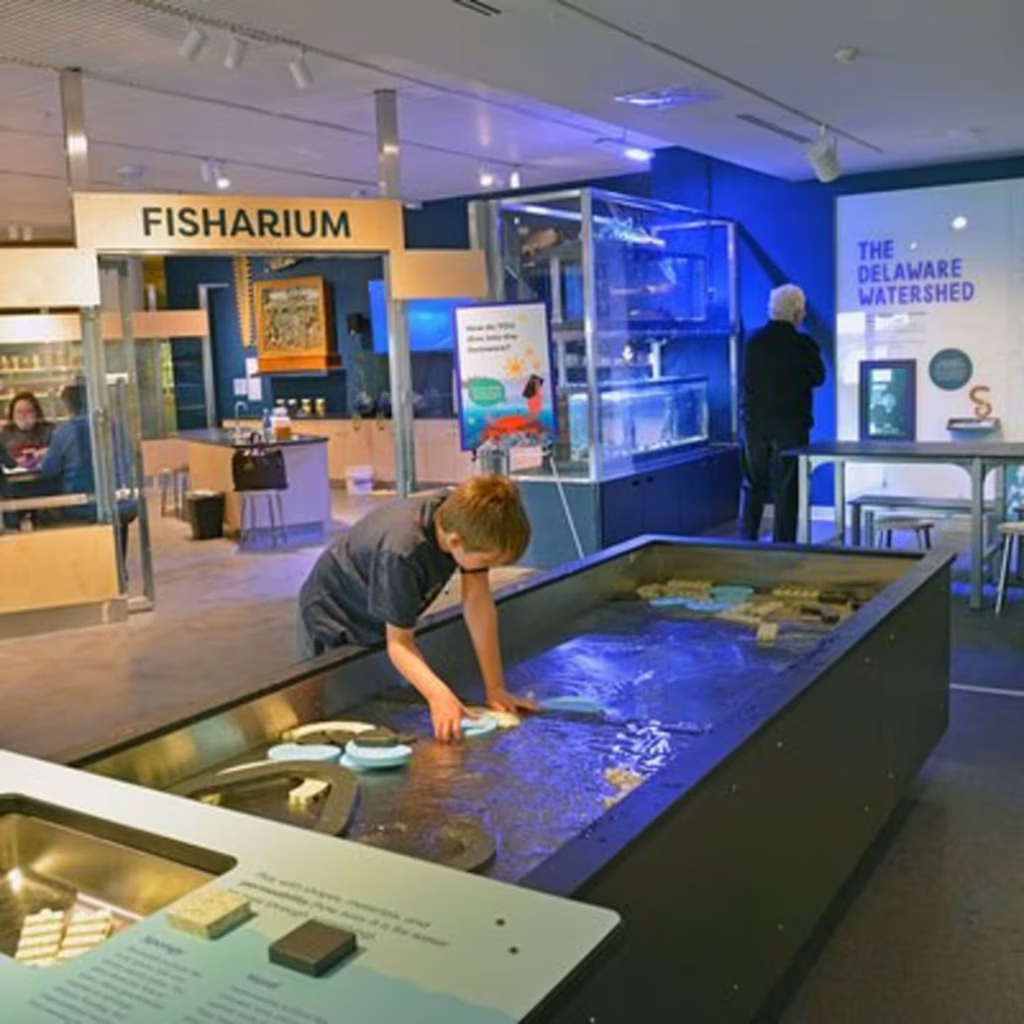
Interaja com exposições interativas que dão vida à história dos portos do rio Delaware.
Olympia and Becuna: key facts

Olympia was built by Union Iron Works in San Francisco, launched on November 5, 1892 and placed into service in February 1895.

She was Commodore George Dewey's flagship at the Battle of Manila Bay on May 1, 1898, during the Spanish-American War.

In 1921 Olympia carried the remains of the World War I Unknown Soldier from Le Havre, France, to Washington, D.C., for burial at Arlington National Cemetery.

Becuna was built by the Electric Boat Company in Groton, Connecticut, launched on January 30, 1944 and commissioned on May 27, 1944.

Becuna completed five war patrols between August 1944 and July 1945 and earned four battle stars.

Olympia has been in Philadelphia since 1922 and a museum since 1957; the two ships have been docked side by side at Penn's Landing since 1976.

Cruiser Olympia: the oldest steel warship afloat
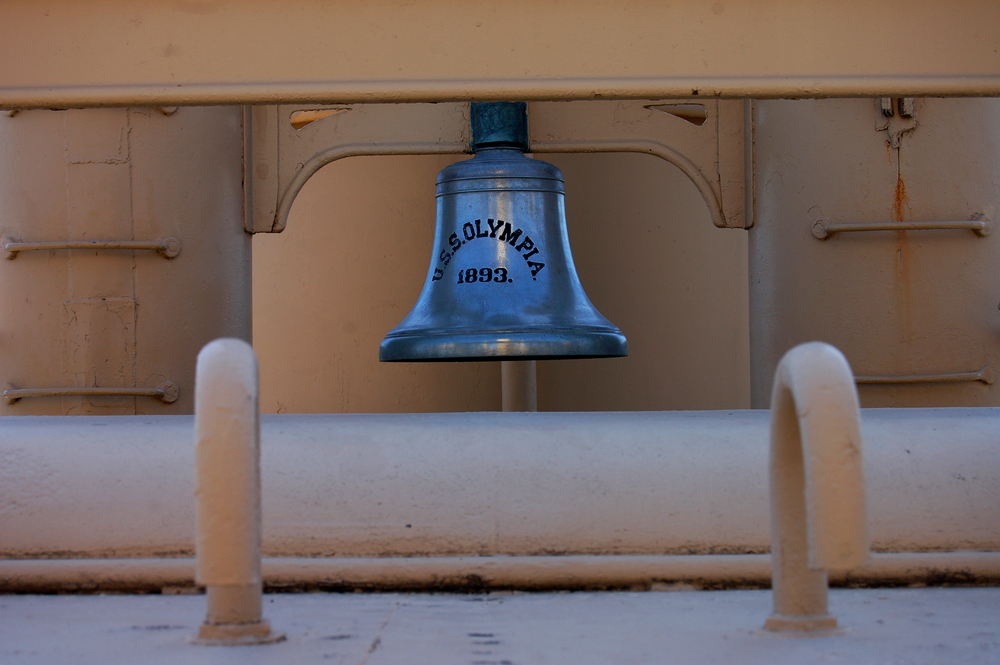
The ship's bell aboard Cruiser Olympia

Olympia is a nineteenth-century cruiser, 344 feet long, and the only floating survivor of the US Navy fleet that fought the Spanish-American War. She served for 27 years. Her most famous moment came at dawn on May 1, 1898, in Manila Bay, when Commodore George Dewey turned to the ship's captain, Charles Gridley, and gave the order: "You may fire when ready, Gridley."

Olympia also served in World War I. In 1921, shortly before she was decommissioned, she made her last important voyage, carrying the Unknown Soldier from France to Washington, D.C. The museum unveiled a memorial marker in 2021 for the centennial of that journey. Olympia was decommissioned in Philadelphia in December 1922 and was designated a National Historic Landmark in 1966.

What to see on Olympia's three decks

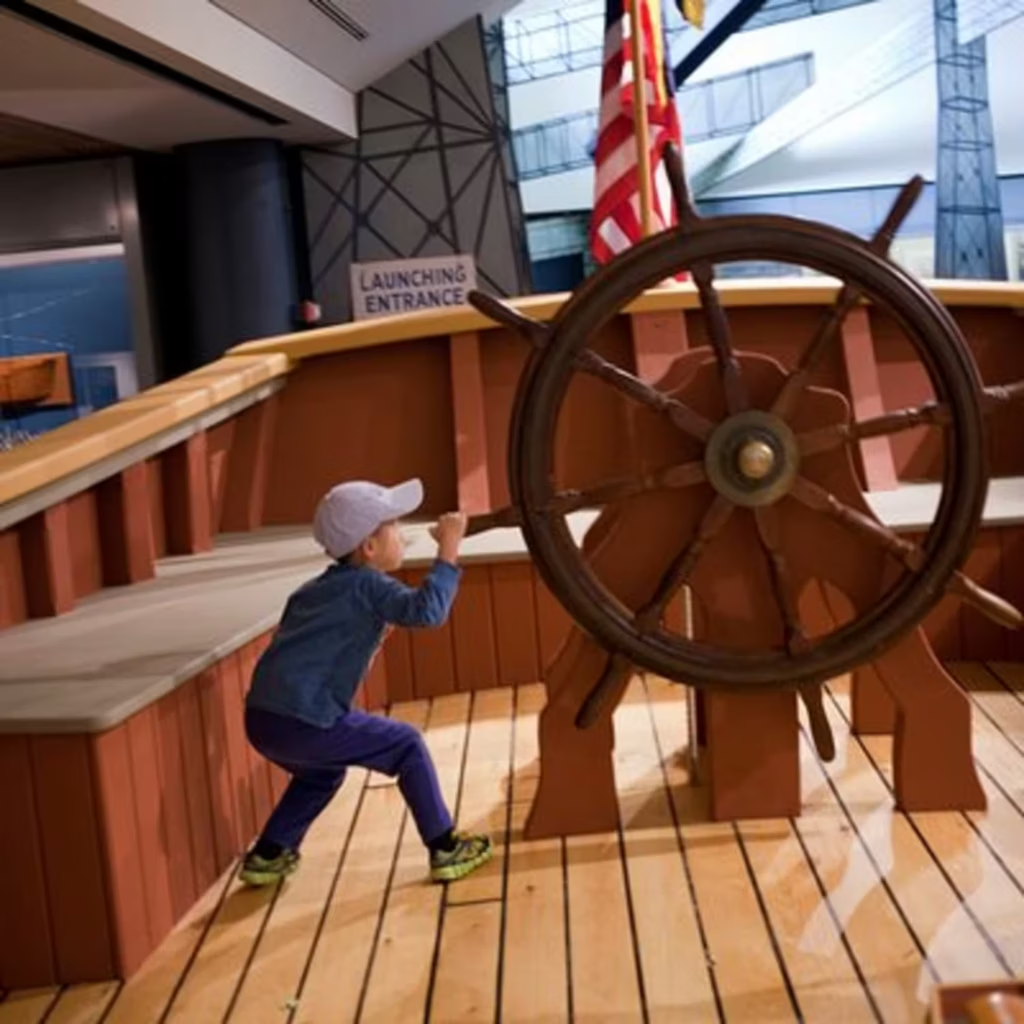
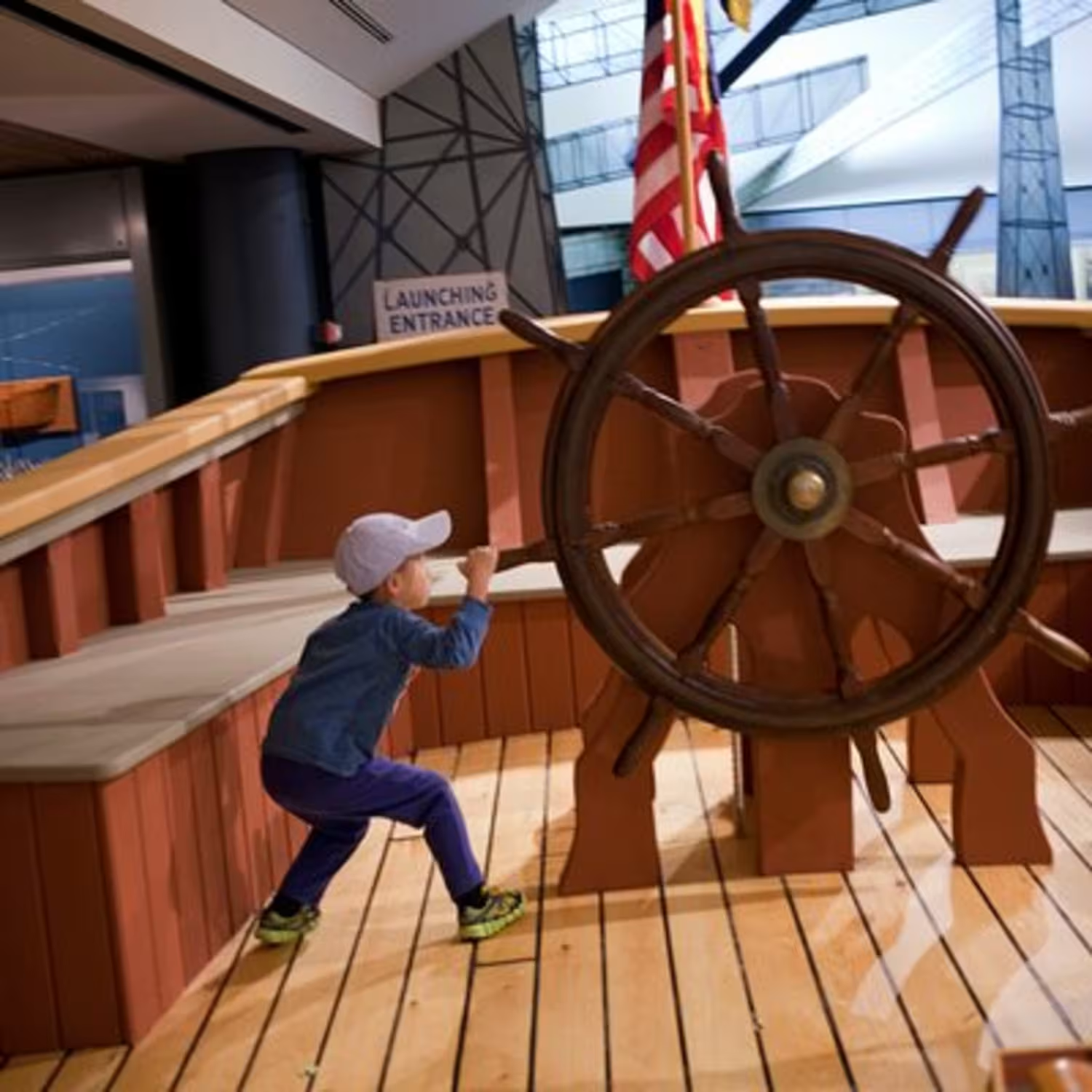
Young visitor at a ship's wheel at the Independence Seaport Museum

Olympia is explored at your own pace, with interpretive signs on every deck and shipskeepers on hand to answer questions. On the top deck you find the ship's bell, the pilothouse, a triple-wheel auxiliary helm and the conning tower under the forward bridge. On the main deck are the Captain's lodgings, the Admiral's Cabin and Stateroom, and the galley, where two coffee urns each held 45 gallons for the crew. A space for visiting dignitaries once received Theodore Roosevelt, then Assistant Secretary of the Navy.

Down on the berth deck are the officers' quarters, known as Officer's Country, the machine shop, the brig, and the sick bay and operating room at the bow. From this deck you look down on the engine room and its two steam engines. The lowest spaces, including the engine and boiler rooms, stay closed during regular hours; the museum runs separate engine room tours on site for visitors aged 10 and up, and Hard Hat Tours on select Saturdays.

Submarine Becuna: a World War II and Cold War boat
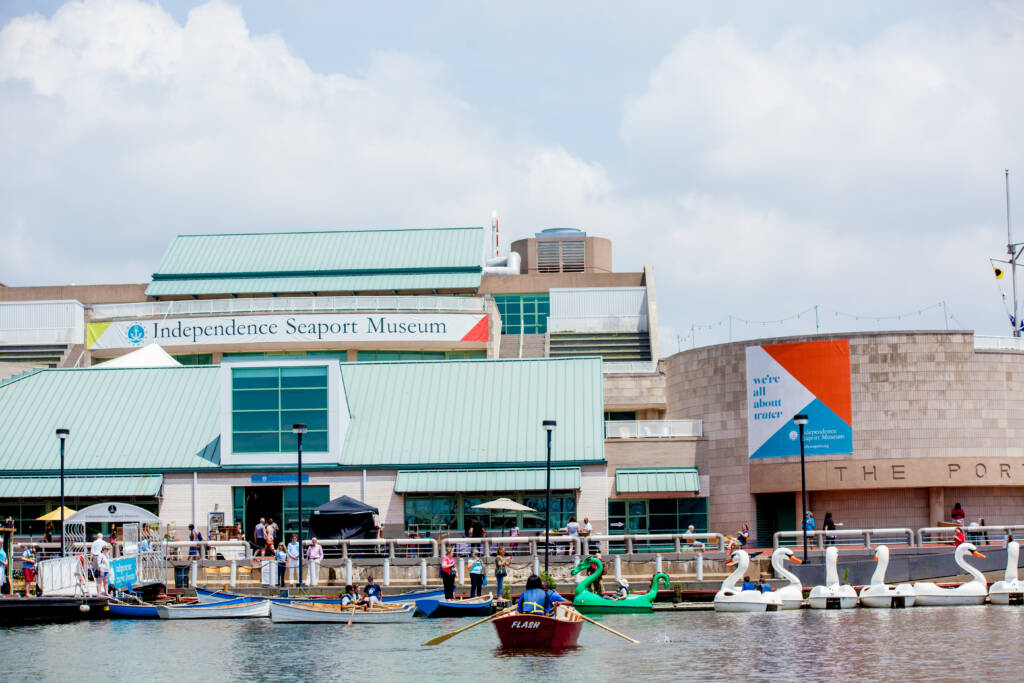
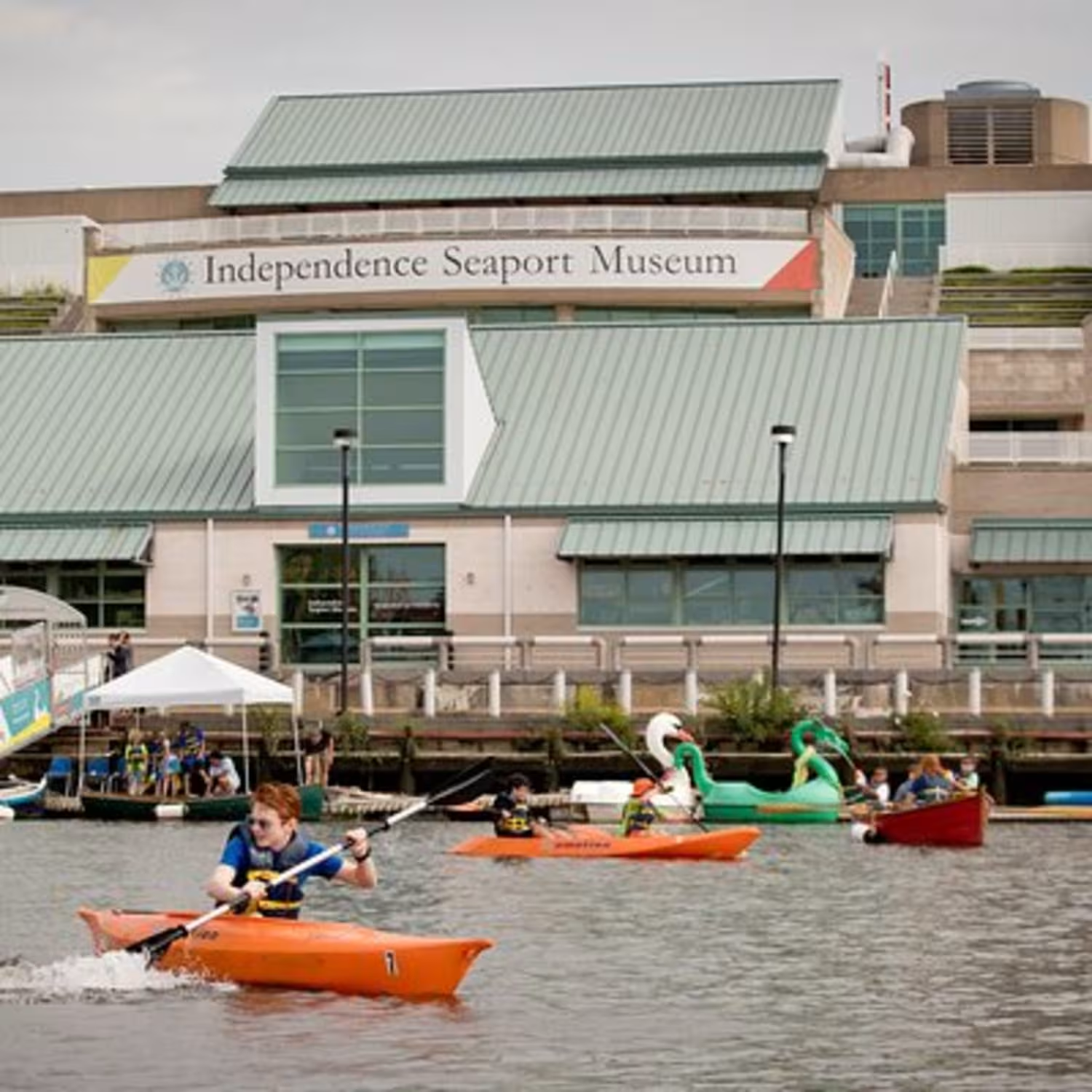
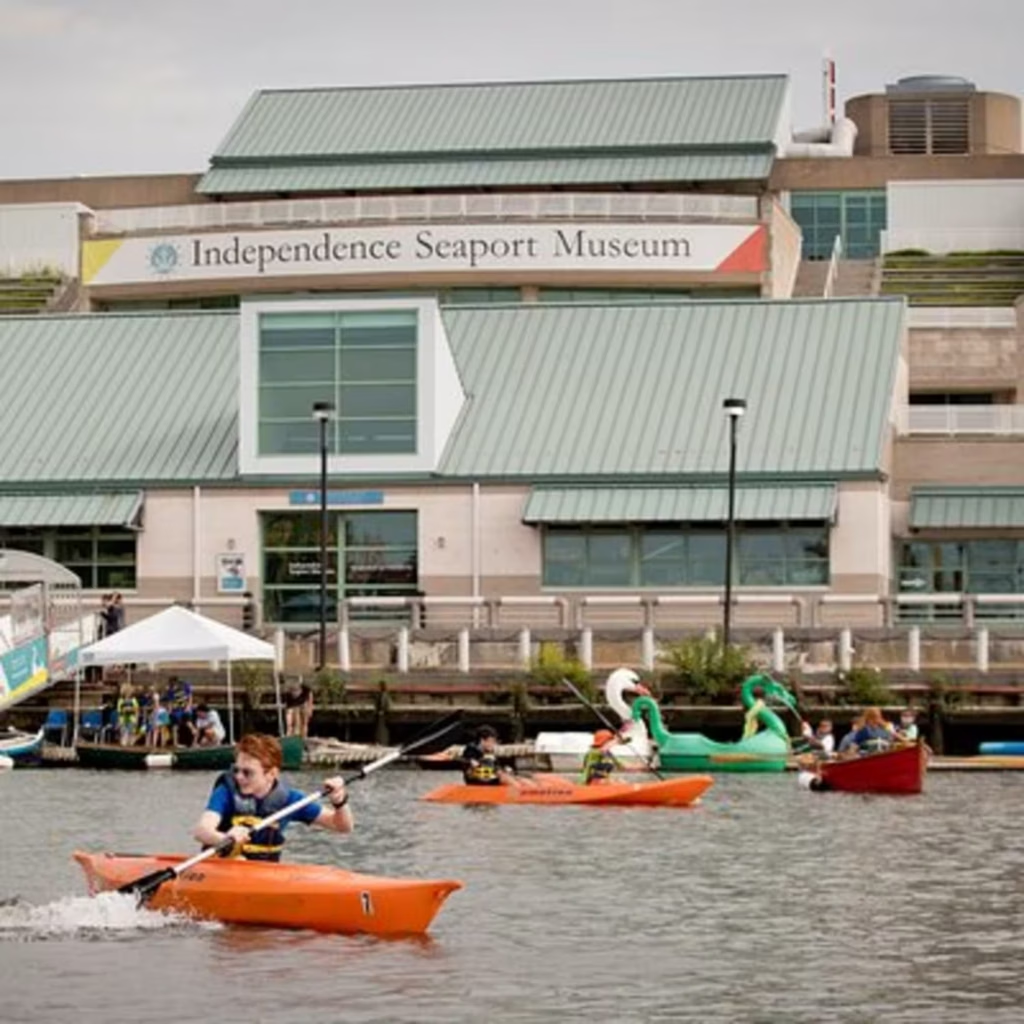
The Independence Seaport Museum on the Penn's Landing waterfront

Becuna is 311 feet long and was built for a crew of 10 officers and 72 enlisted men. She was commissioned in May 1944 and completed five war patrols before the end of World War II, earning four battle stars. In 1951 she was rebuilt under the GUPPY IA program.

From 1949 to 1969 Becuna served with the Atlantic Fleet, mostly as a training ship, with two deployments to the Mediterranean with the Sixth Fleet. She was decommissioned on November 7, 1969, went on display at Penn's Landing on June 21, 1976, and became a National Historic Landmark in 1986. Visits to Becuna run as guided tours of about 45 minutes, which take you inside a real World War II and Cold War submarine.

The museum behind the ships

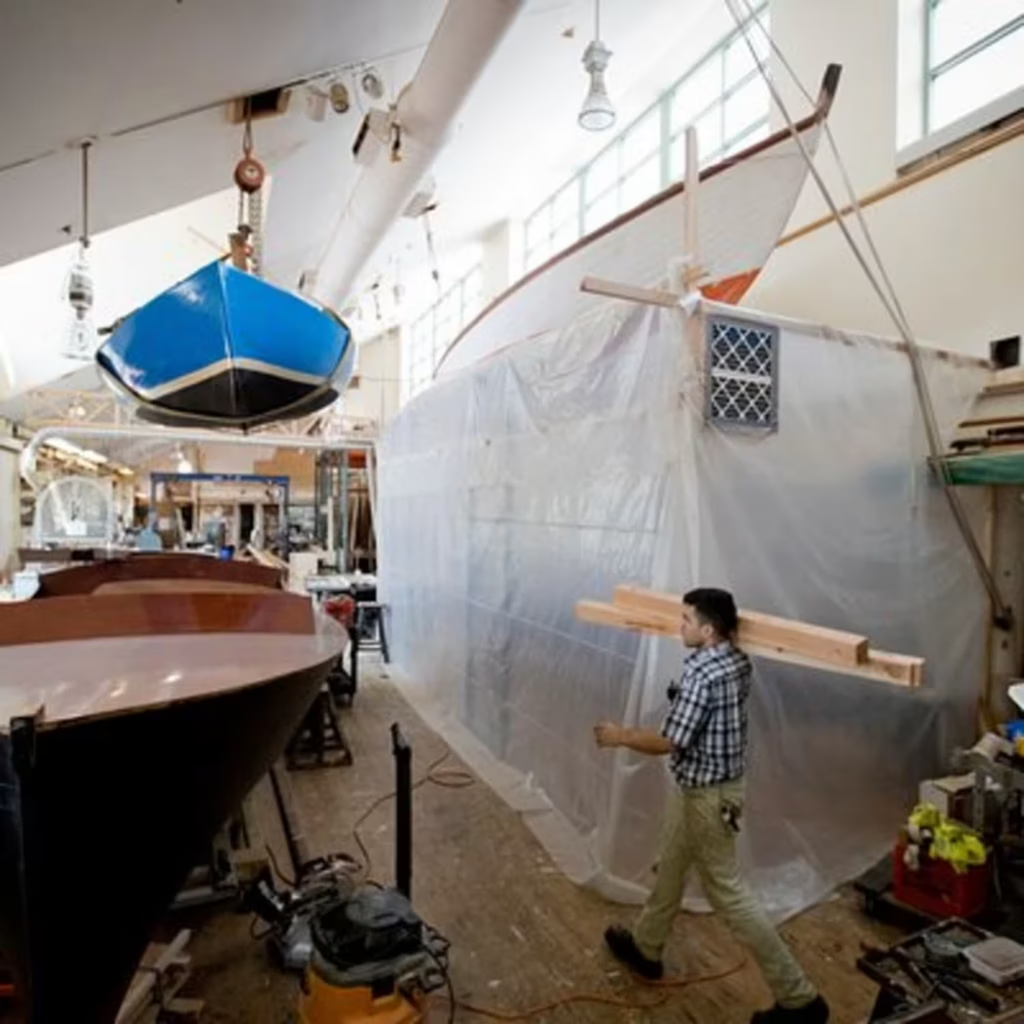
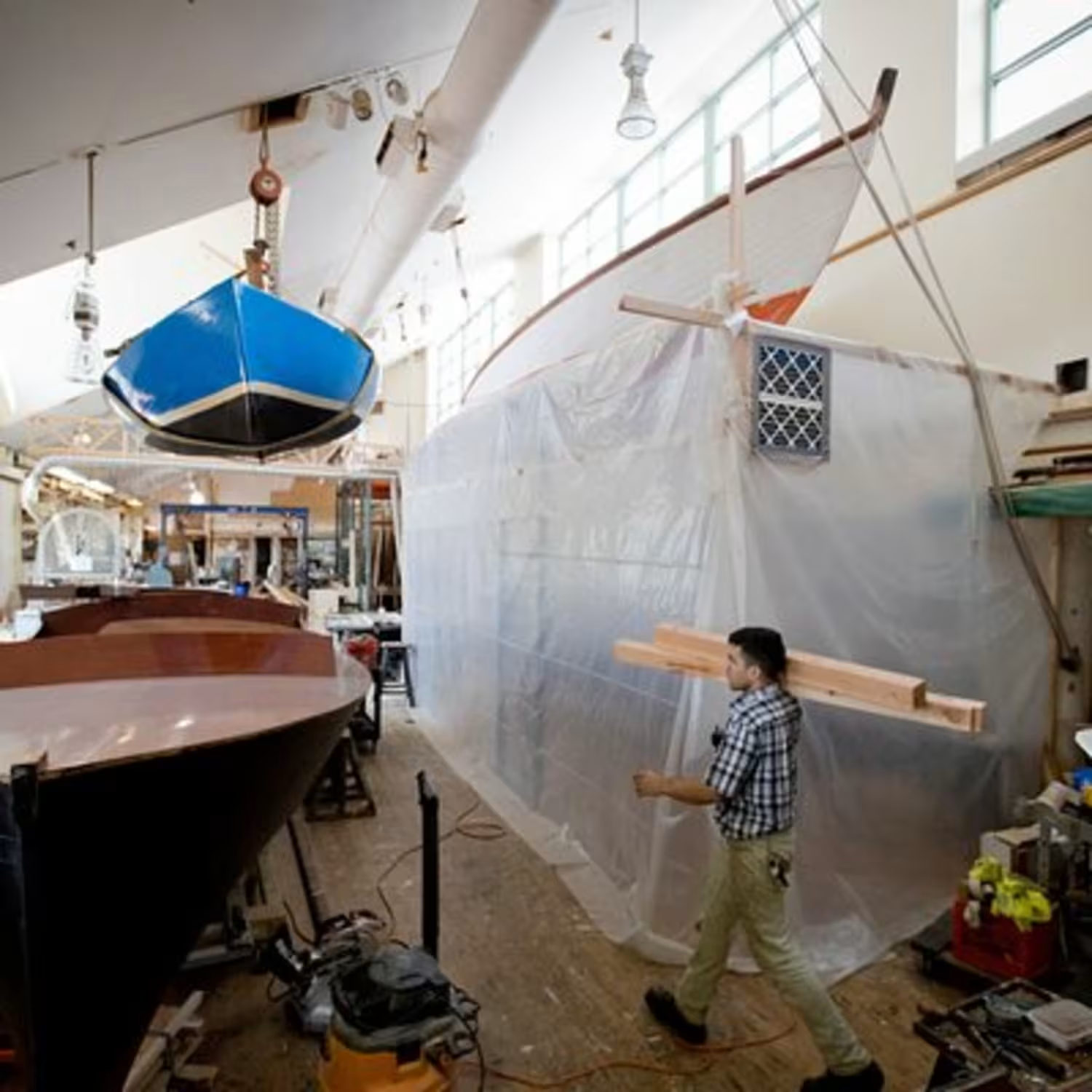
Wooden boats in the workshop at the Independence Seaport Museum

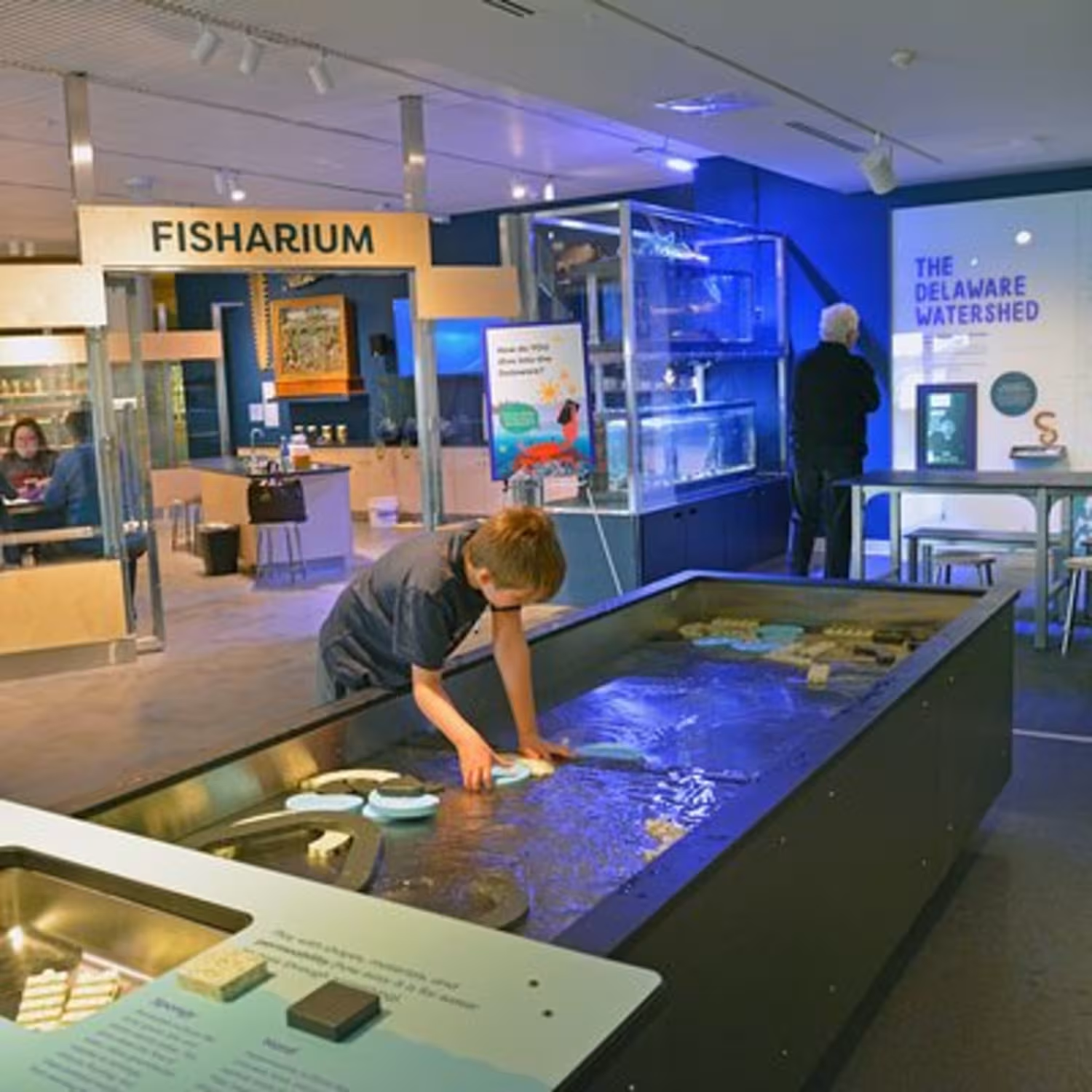
The ships belong to the Independence Seaport Museum, which started life in 1961 as the Philadelphia Maritime Museum and took its current name in 1995, when it moved to Penn's Landing. Olympia and Becuna became part of its collection in 1996. Inside the main building, exhibits spread over two floors cover the maritime history of Philadelphia and the Delaware River ports, with hands-on displays for younger visitors.

One of the most unusual spaces is Workshop on the Water, the museum's boat shop, where traditional wooden boats are built and restored and where the museum teaches boat building and sailing. Watching the boat builders at work is a good way to understand how much skill goes into keeping historic vessels like Olympia afloat.

Before you climb aboard

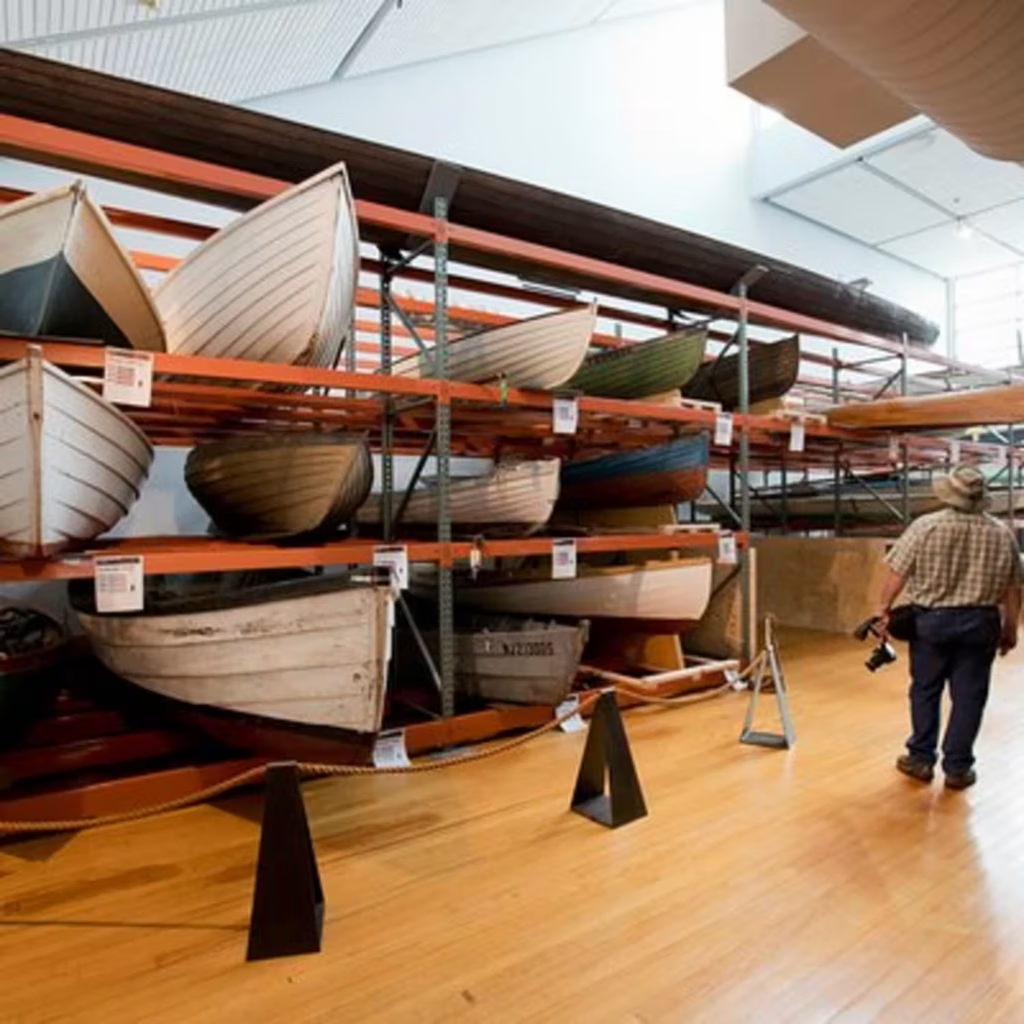
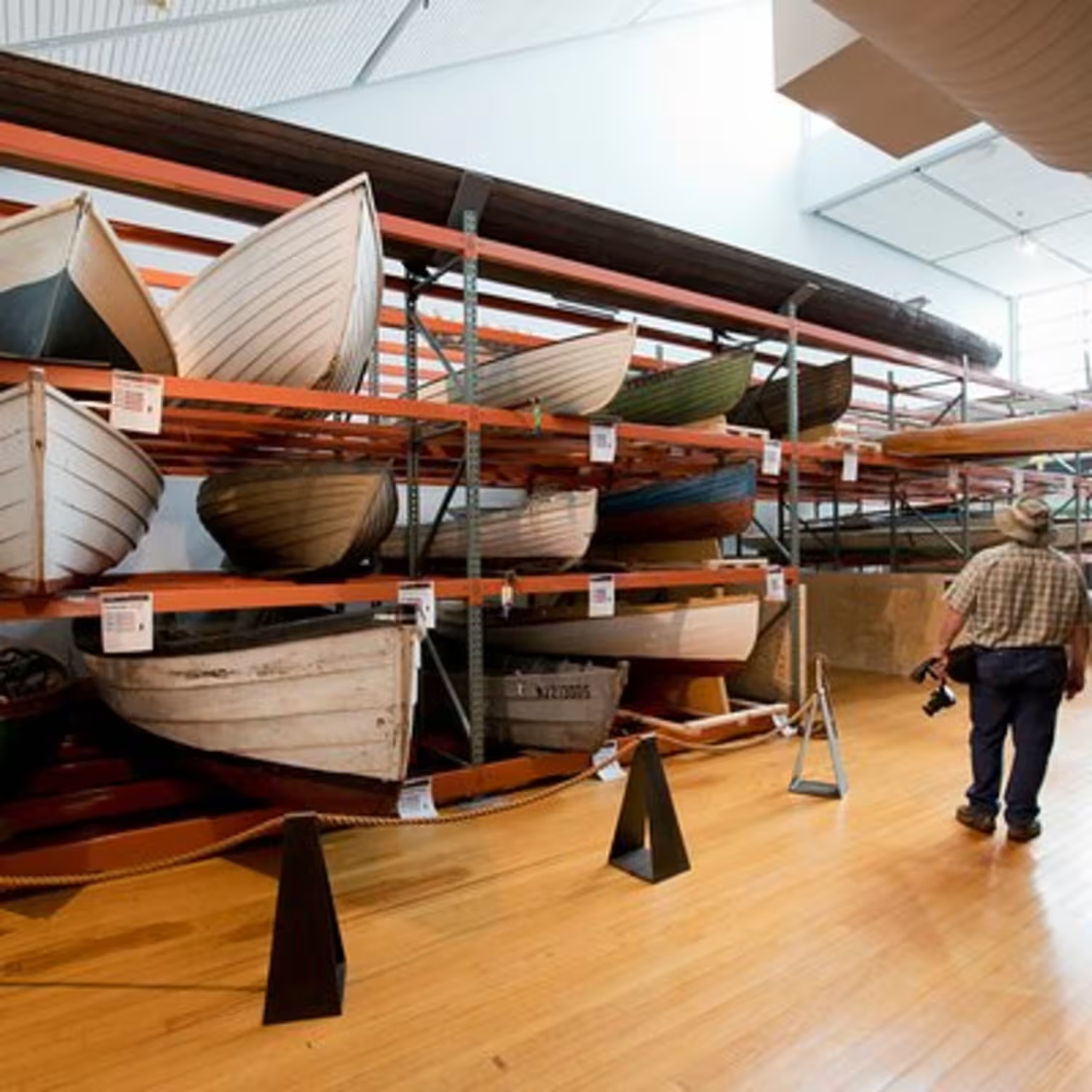
Visitor looking at a boat inside the Independence Seaport Museum

The historic ships are working museum pieces, not modern buildings, so a few rules apply. Neither Olympia nor Becuna is ADA accessible, and both have steep steps between decks; wear flat, closed shoes and avoid deep heels. The ships have no heating or air conditioning, so dress for the weather: plan for extreme temperatures in summer and winter.

Strollers cannot go aboard, but you can leave them at the ships' ticket booth at your own risk. Any child under 12 must stay with someone over 18 at all times. There are no restrooms or changing stations on the ships; the nearest public restroom is across from the ships' ticket booth. Food and drink are not allowed on board, while photography is encouraged both in the museum and on the ships. Olympia's top deck closes in rain, freezing conditions or other unsafe weather, and the ships can close without notice in severe weather.

Planning your time on the ships

Permitir about one hour for Olympia and about 45 minutes for the Becuna tour, plus time for the galleries in the main museum.

Start with Olympia's top deck while the weather is good, since it is the part of the ship that closes first in bad weather.

On hot days, visit the ships early and save the indoor galleries for the warmest part of the day.

Check the museum opening days and hours before you set off, as the schedule changes through the year.

Leave large bags behind where you can, as both ships have steep steps between decks.

Check the ticket options shown when you book to see which ship visits are included.

Quick tips before you go

Book your admission before the day so you can head straight to the ships.

Wear flat, closed shoes with good grip for the steep steps.

Bring a layer in winter and water in summer, as the ships have no climate control.

Use the restroom across from the ships' ticket booth before you board.

Ask the shipskeepers on Olympia about the Battle of Manila Bay and the Unknown Soldier voyage.

Read our directions to Penn's Landing to plan the walk or drive to the waterfront.

Combine the ships with more of Philadelphia

A visit to Olympia and Becuna pairs well with other museums in the city. History fans can continue at the Battleship New Jersey Museum, across the Delaware River, to compare a 1890s cruiser with a World War II battleship. For ancient history, the Penn Museum is a short ride away, and for hands-on science, The Franklin Institute is one of the city's best family days out. See all our Philadelphia museums.

Cruiser Olympia and Submarine Becuna: FAQs

Onde estão o cruzador Olympia e o submarino Becuna?

Os dois navios estão atracados lado a lado em Penn's Landing, no rio Delaware, ao lado do Independence Seaport Museum, na Filadélfia.

Quantos anos tem o Cruiser Olympia?

O Olympia foi lançado ao mar em 1892 e entrou em serviço em fevereiro de 1895. É o navio de guerra de aço mais antigo ainda em operação no mundo.

Por que Olympia é famosa?

Ela foi o navio-almirante do comodoro George Dewey na Batalha da Baía de Manila, em 1898, e, em 1921, transportou o Soldado Desconhecido da Primeira Guerra Mundial da França até Washington, D.C.

When was Submarine Becuna built?

Becuna was built by the Electric Boat Company in Groton, Connecticut, launched on January 30, 1944 and commissioned in May 1944.

Did Becuna see combat?

Yes. Becuna completed five war patrols between August 1944 and July 1945 and earned four battle stars.

How long does a visit to the ships take?

Allow about one hour to explore Olympia on your own and about 45 minutes for the guided tour of Becuna.

Os navios são adaptados para cadeiras de rodas?

No. Neither Olympia nor Becuna is ADA compliant, and both have steep steps between decks.

Can I bring a stroller on board?

No. Strollers cannot go aboard the ships, but you can leave them at the ships' ticket booth at your own risk.

Are the ships heated or air conditioned?

No. The ships have no heating or air conditioning, so dress for the weather on the day of your visit.

Can children visit the ships?

Yes. Children under 12 must be accompanied by someone over 18 at all times while on board.

Can I see Olympia's engine room?

You can look down on the engine room and its two steam engines from the berth deck. The lowest spaces are visited only on separate engine room tours for ages 10 and up.

Are Olympia and Becuna National Historic Landmarks?

Yes. Olympia was designated in 1966 and Becuna in 1986.

About this guide

Sources: Independence Seaport Museum, Cruiser Olympia; Independence Seaport Museum, Historic Ships FAQs; Wikipedia, USS Olympia (C-6); Wikipedia, USS Becuna (SS-319); Wikipedia, Independence Seaport Museum.