We are processing your request.
Please, don't close or refresh the page.

The Franklin Institute, Philadelphia: Tickets and Info

This website offers official tickets for this venue. Please note, however, that it is not the official website of the venue.

Smartphone tickets

Smartphone tickets

Why wait?

Priority Access Available

Instant confirmation

Instant confirmation

Flexible cancellation
Flexible cancellation

Smartphone tickets

Smartphone tickets

Everything you need, right in your pocket!
Why wait?

Why wait?

Skip the line and get priority access
Instant confirmation

Instant confirmation

Receive your tickets seconds after your purchase
Flexible cancellation

Flexible cancellation

Free cancellation up to 24 hours before the event available on selected experiences

The Franklin Institute: Entry Ticket

Highlights

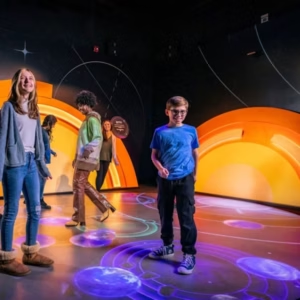
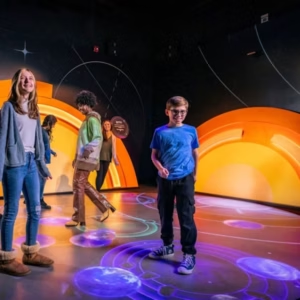
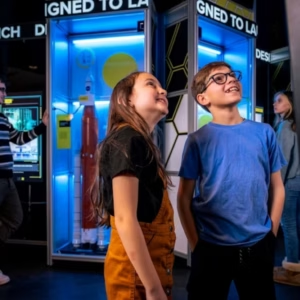
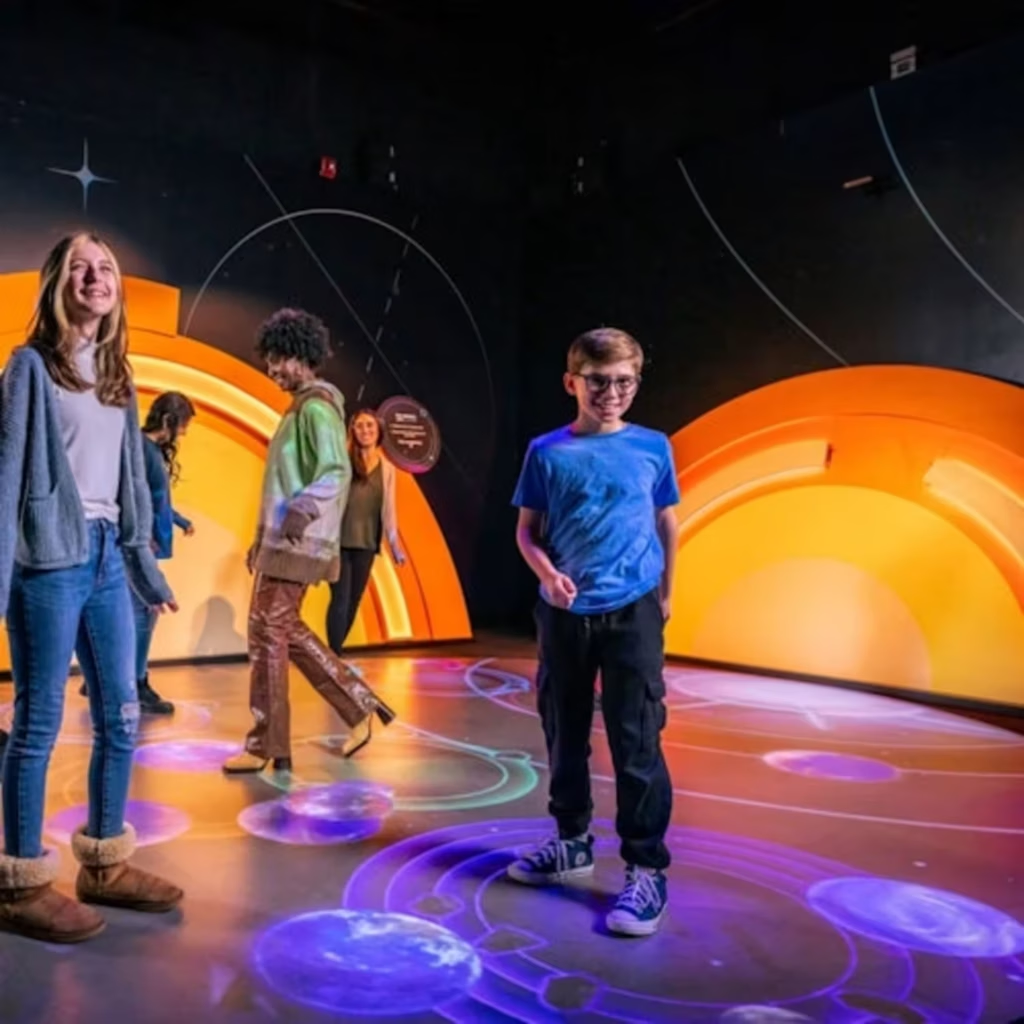
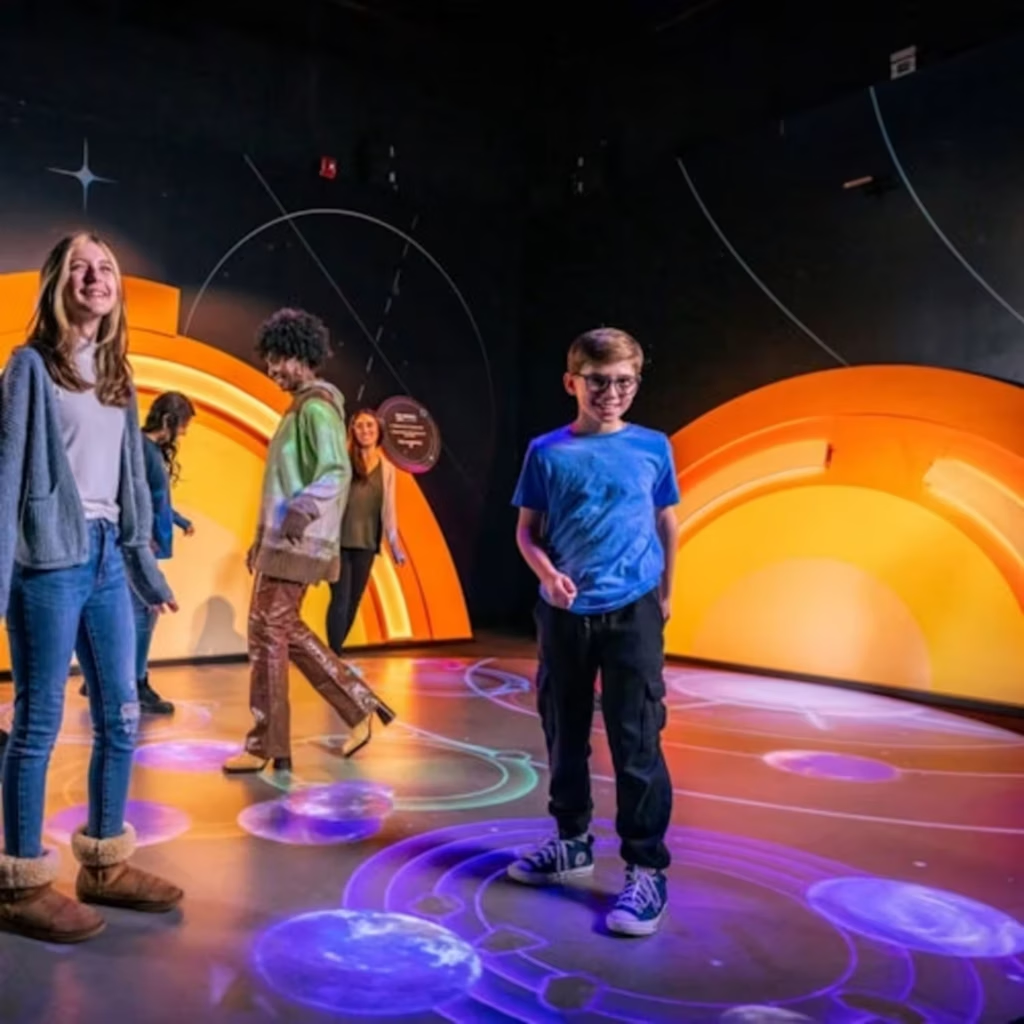
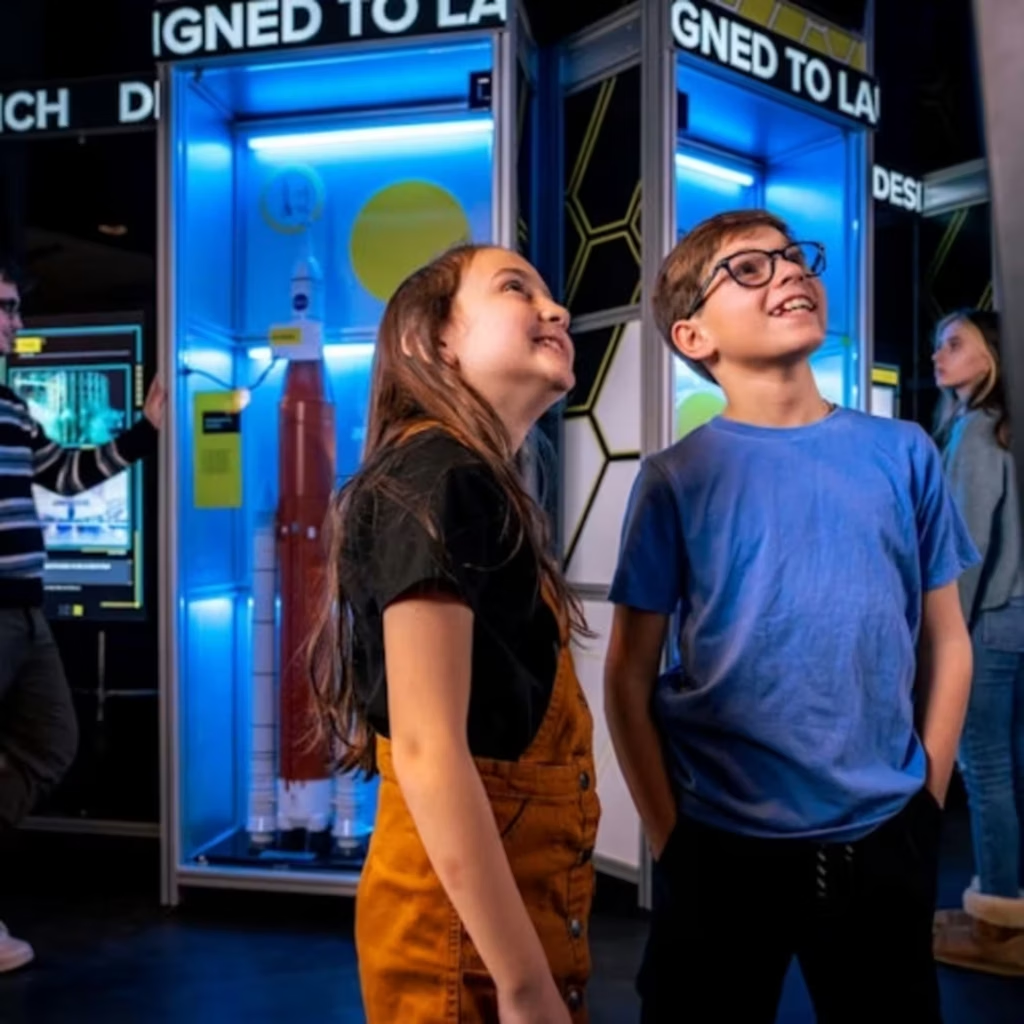
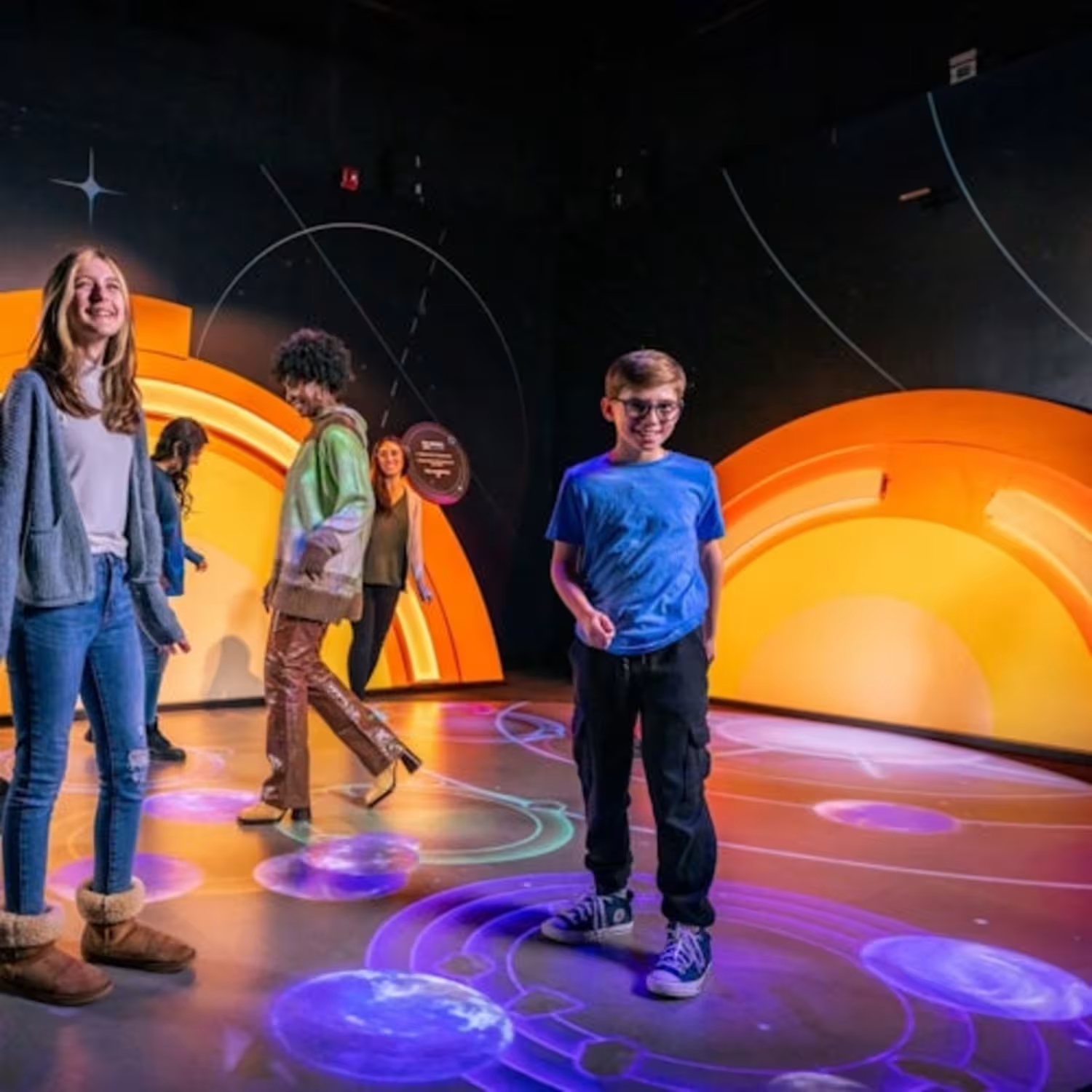
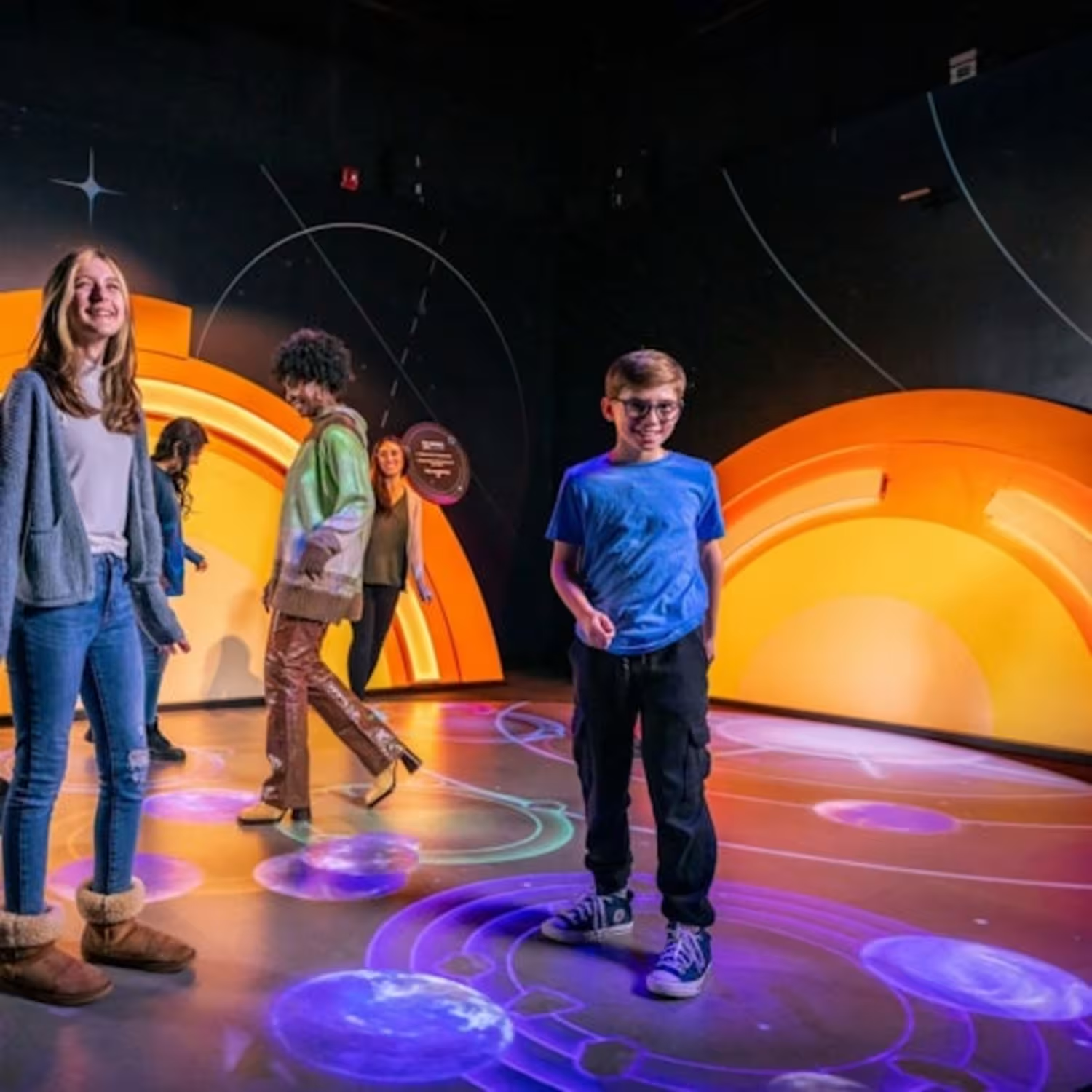
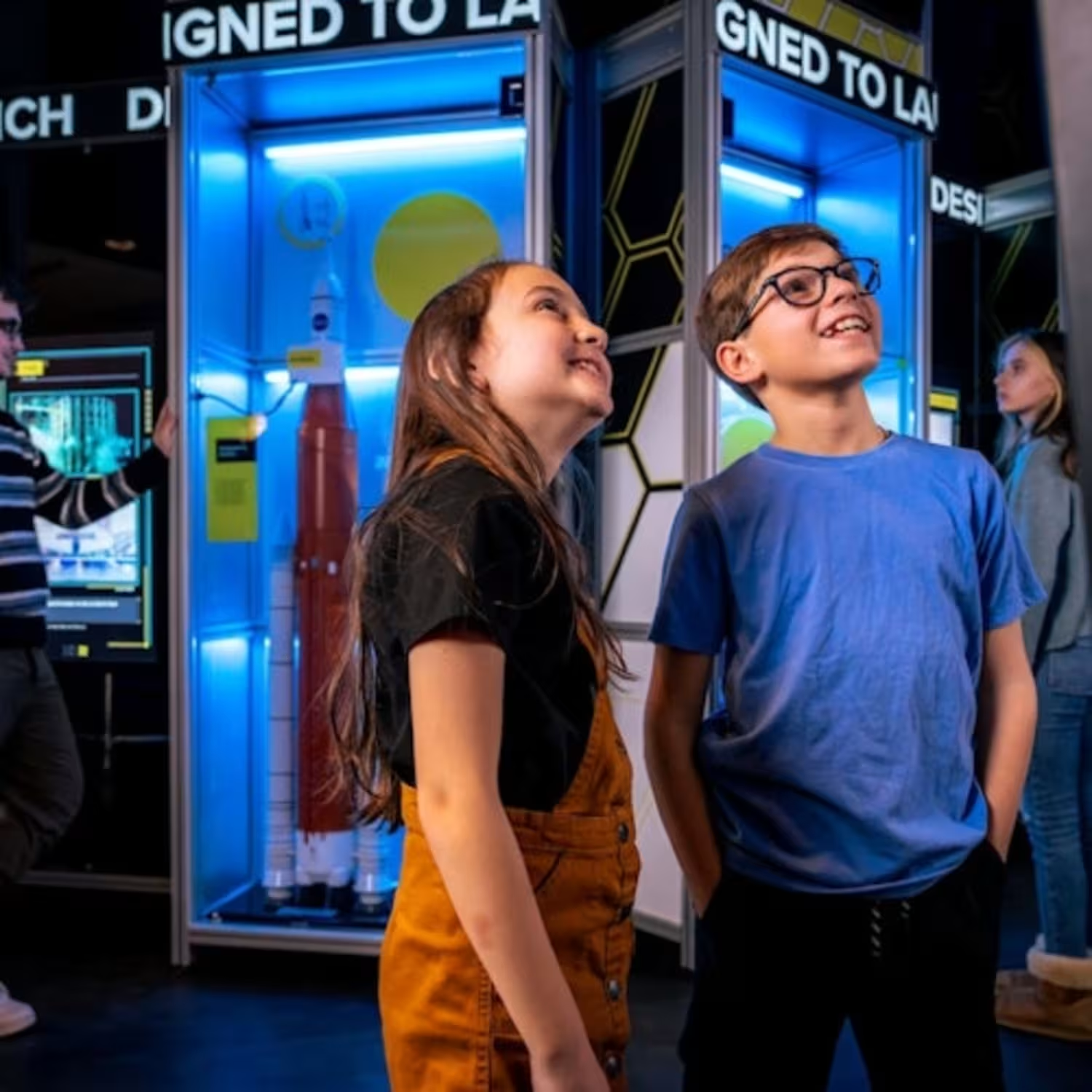
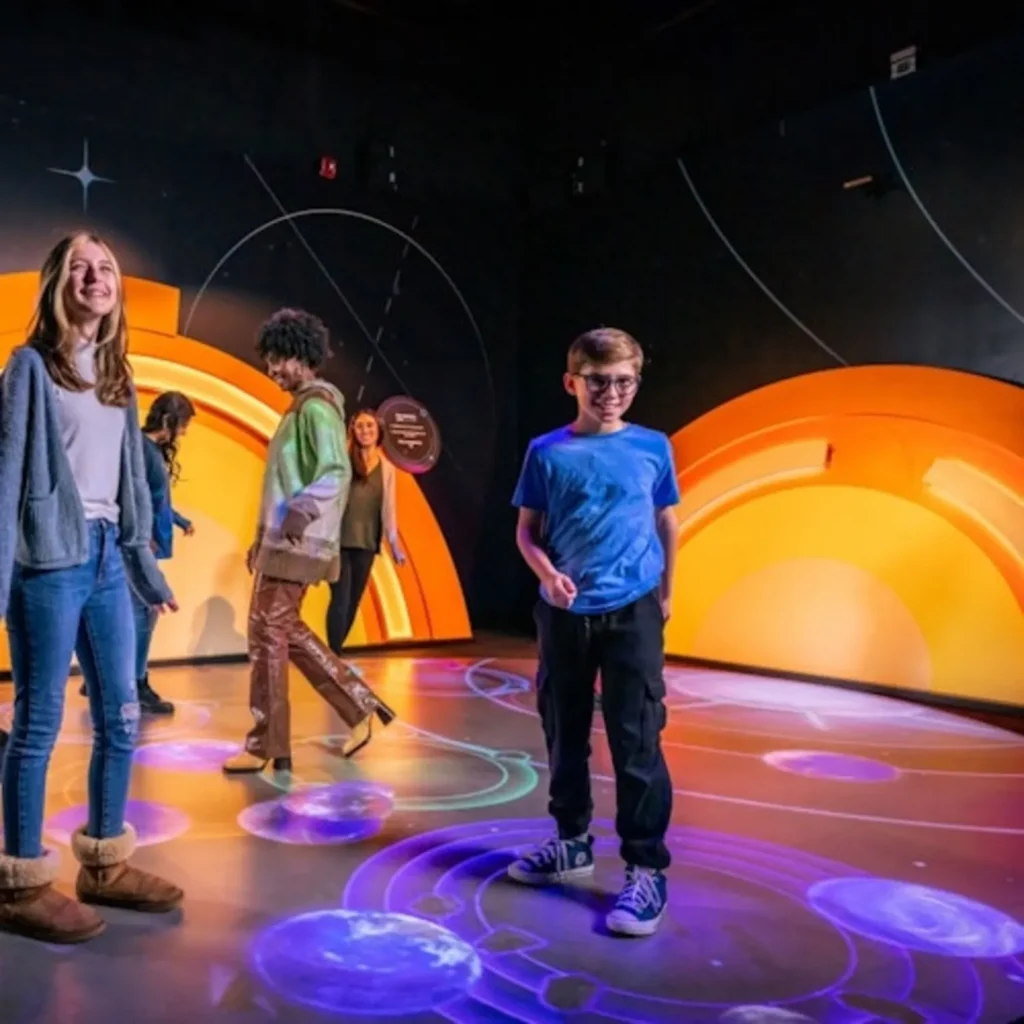
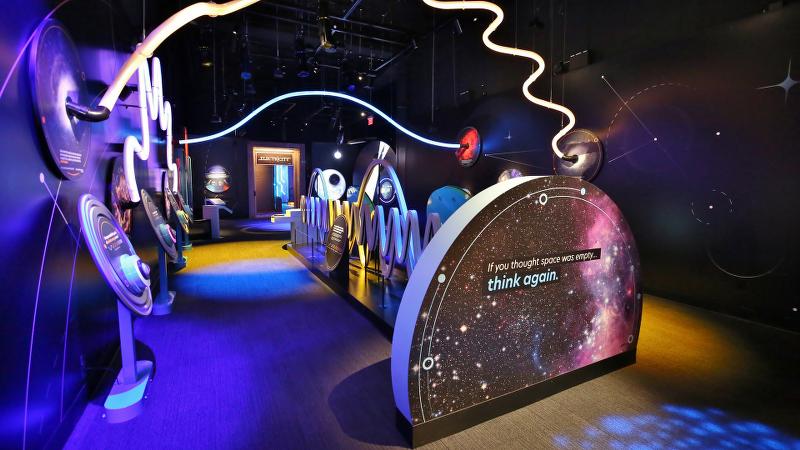
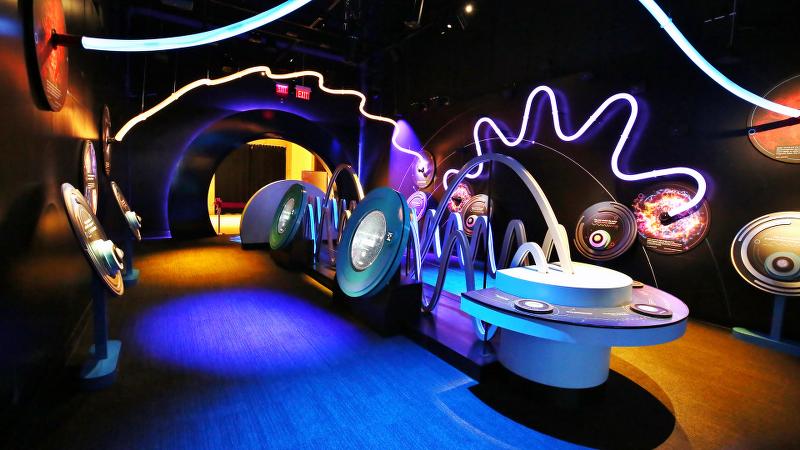
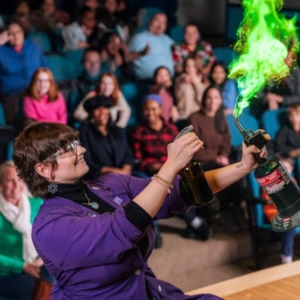
Experience interactive science displays that bring technology to life.

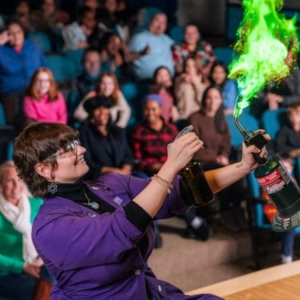
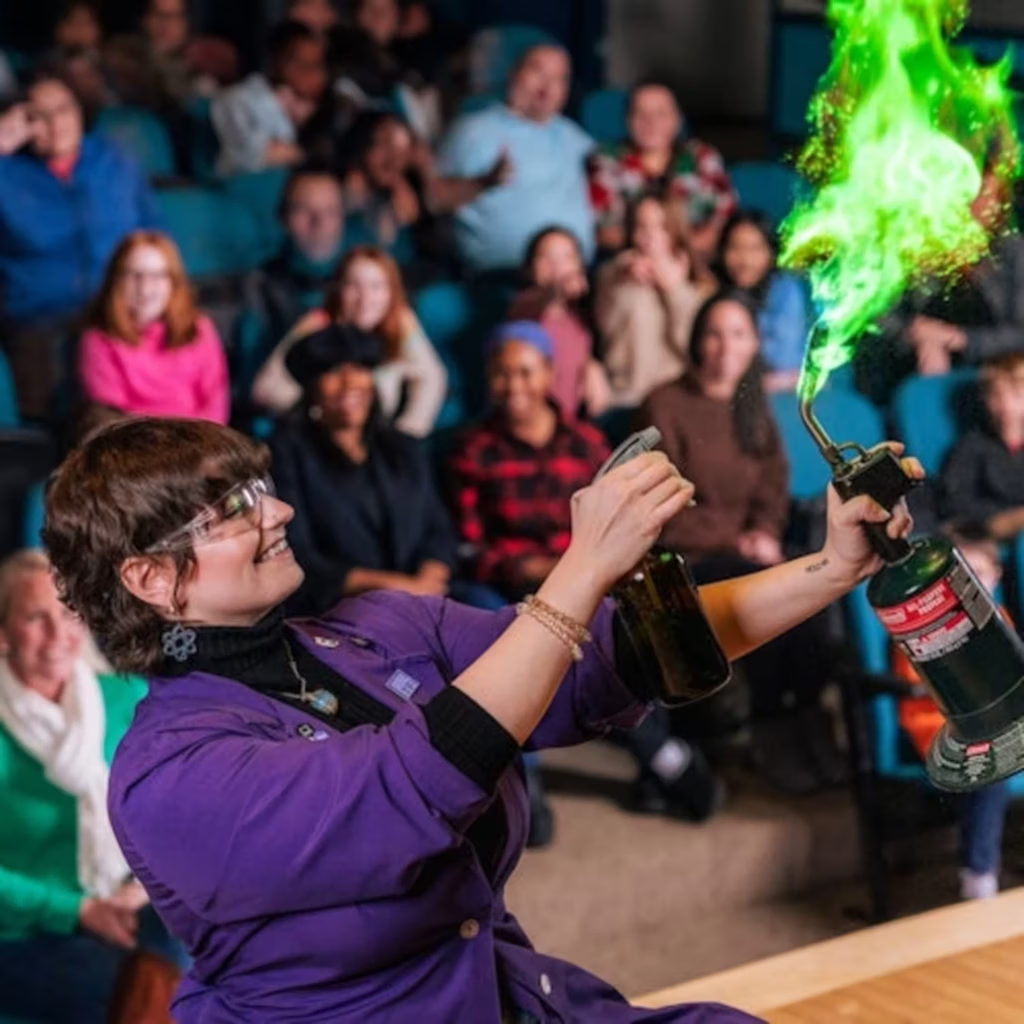
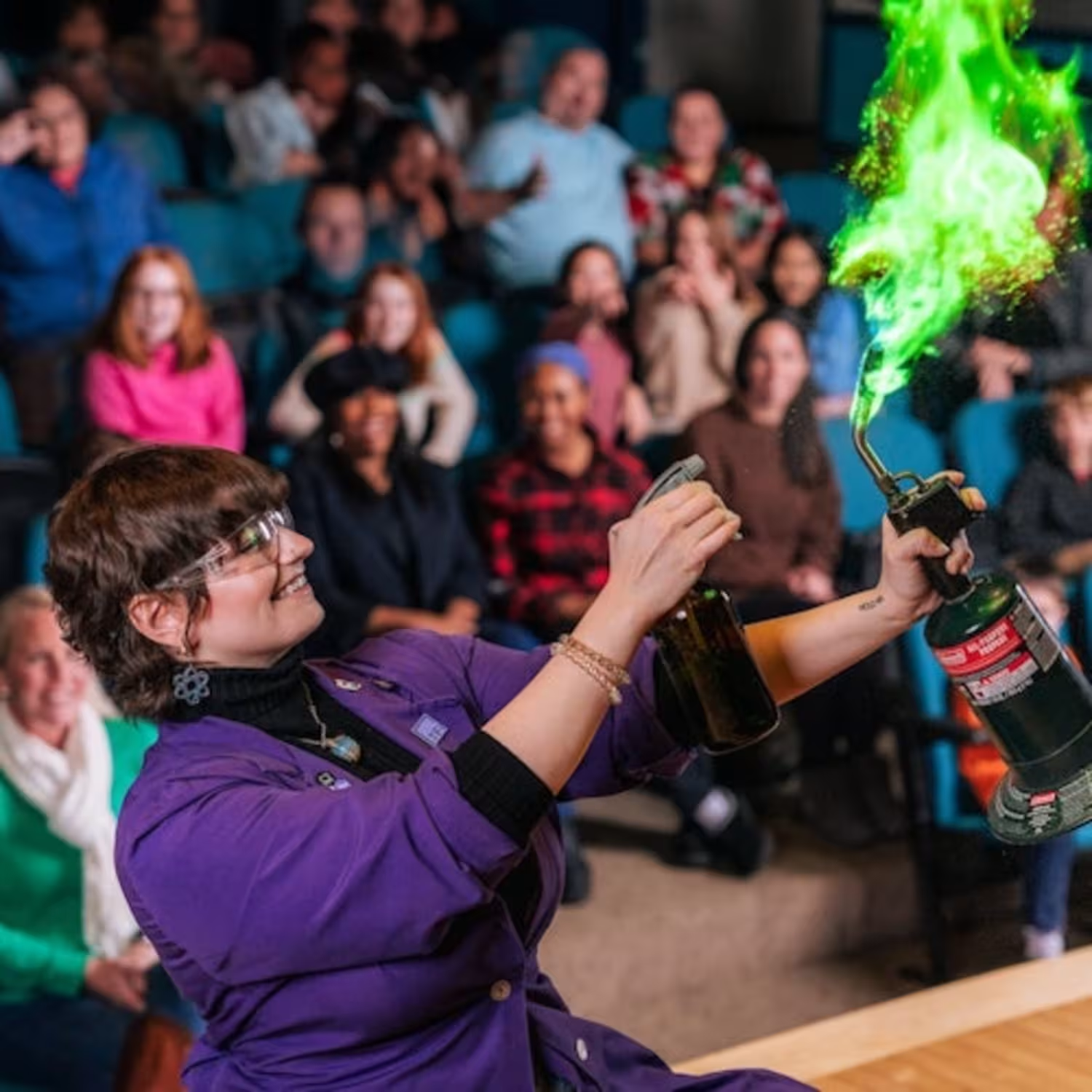
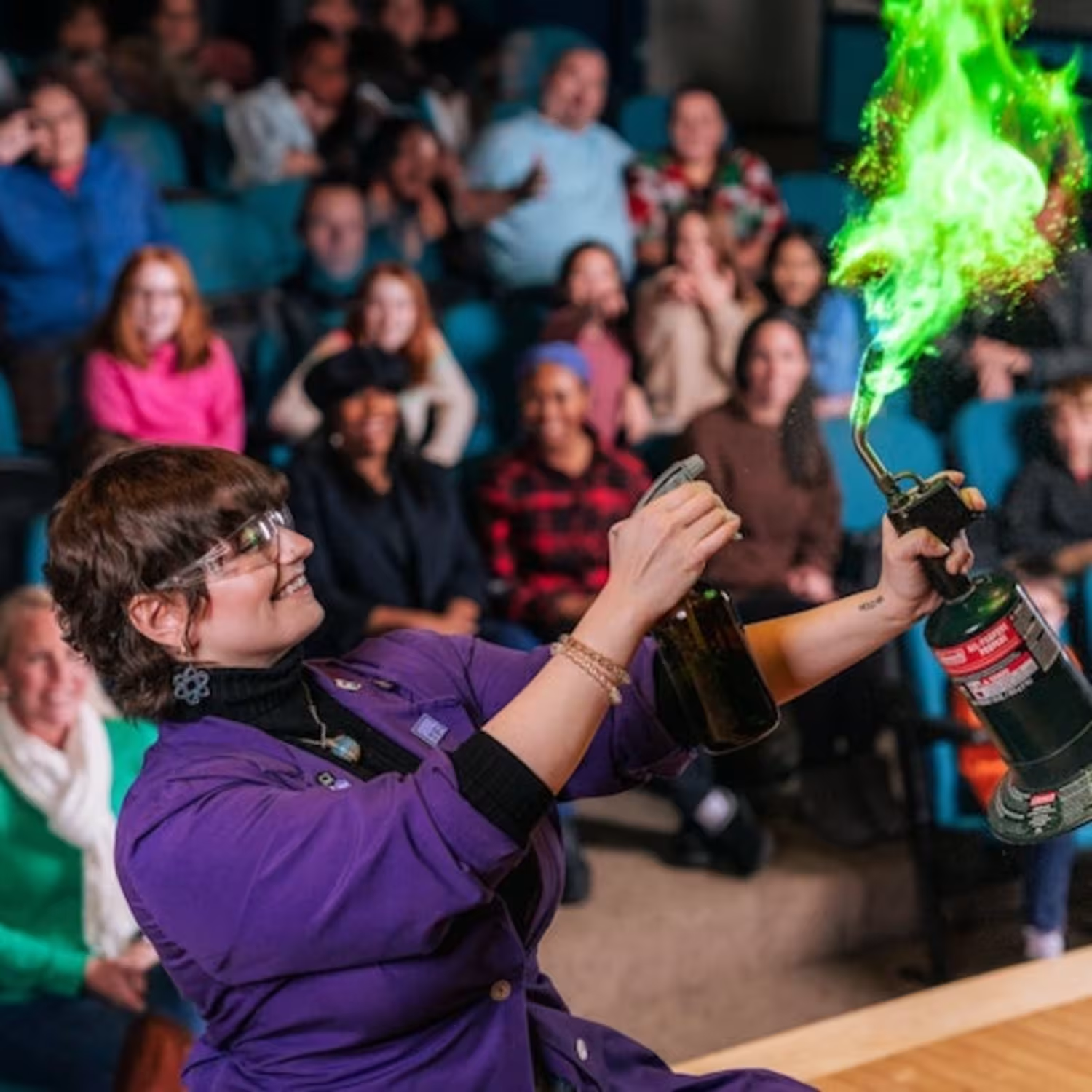
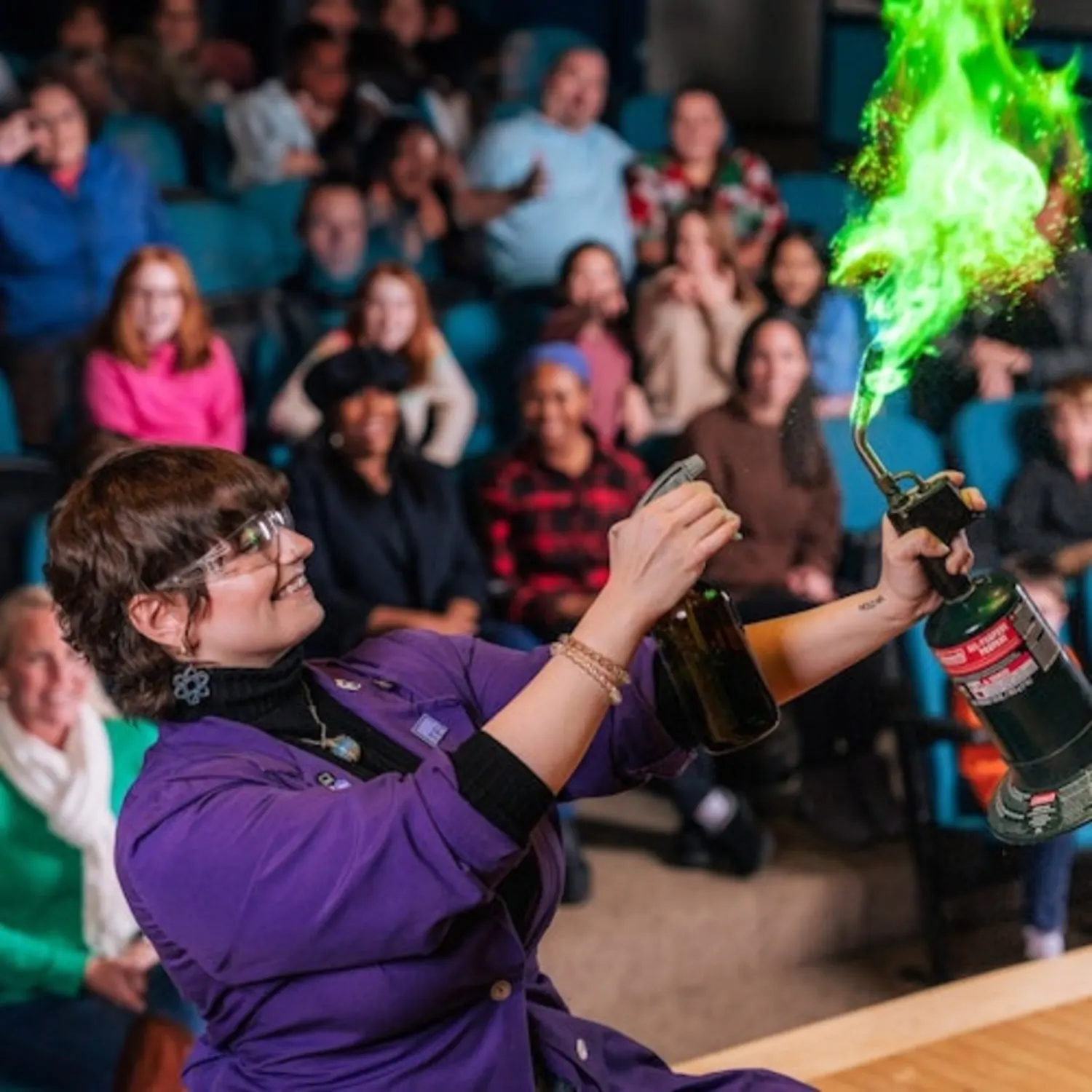
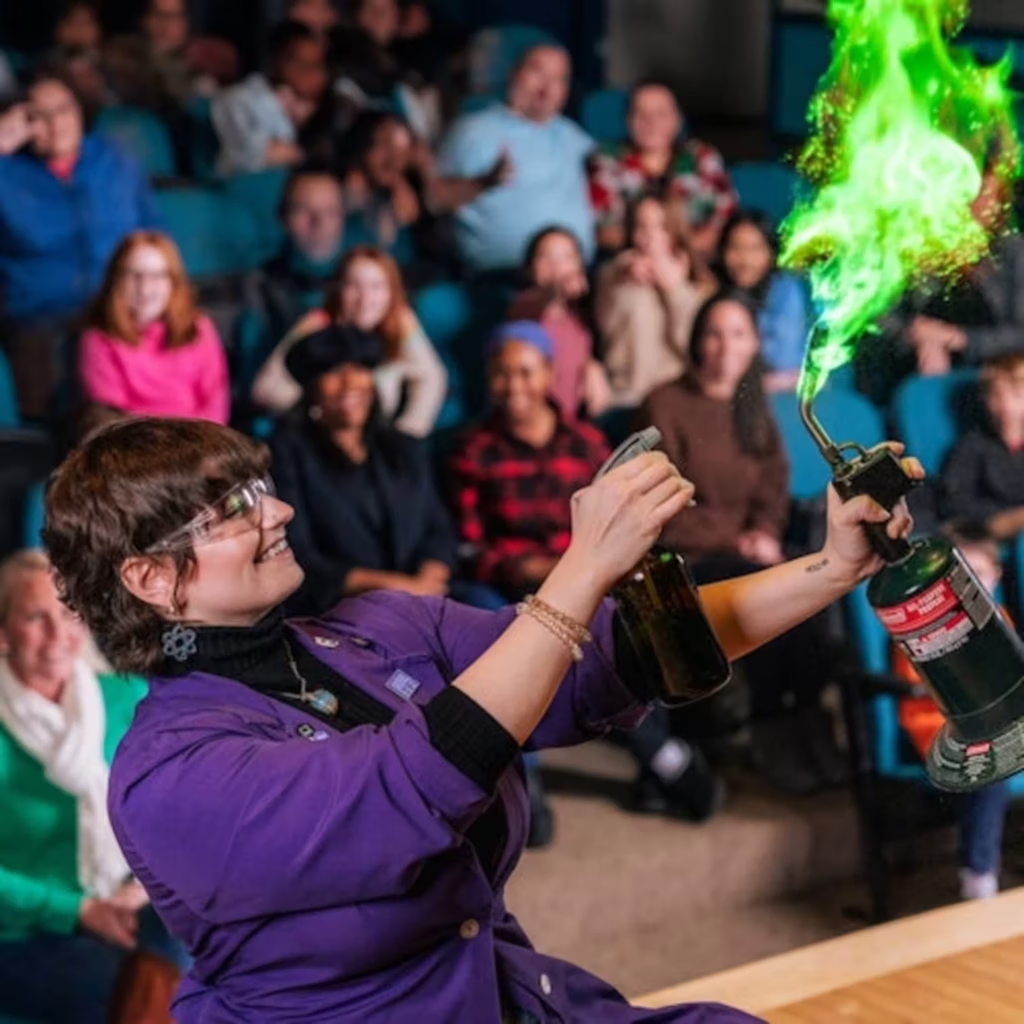
Attend daily live science presentations that illustrate key scientific concepts.

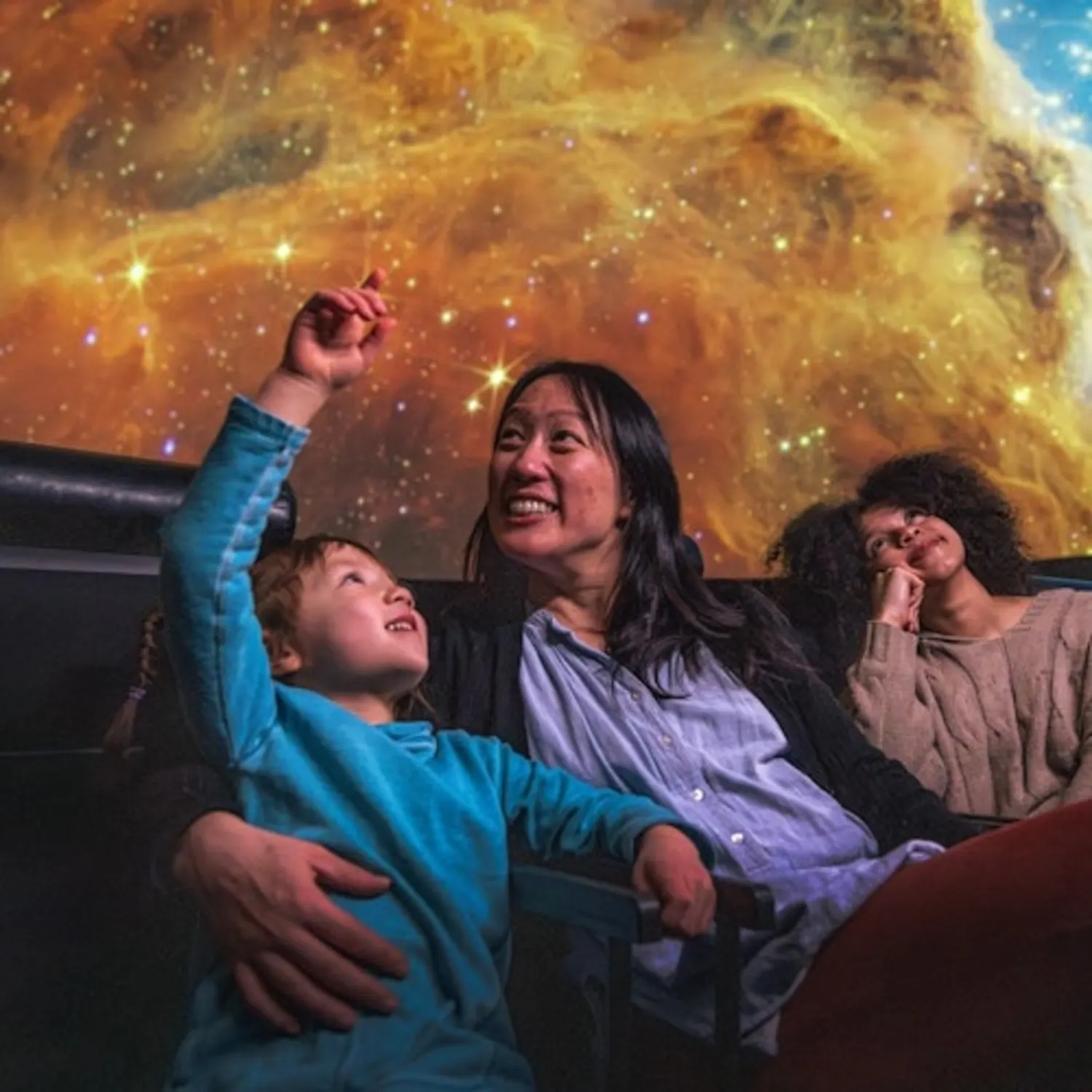
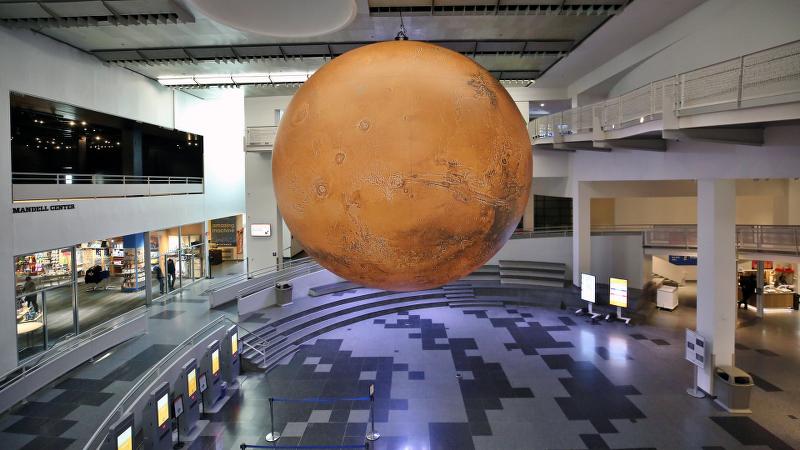
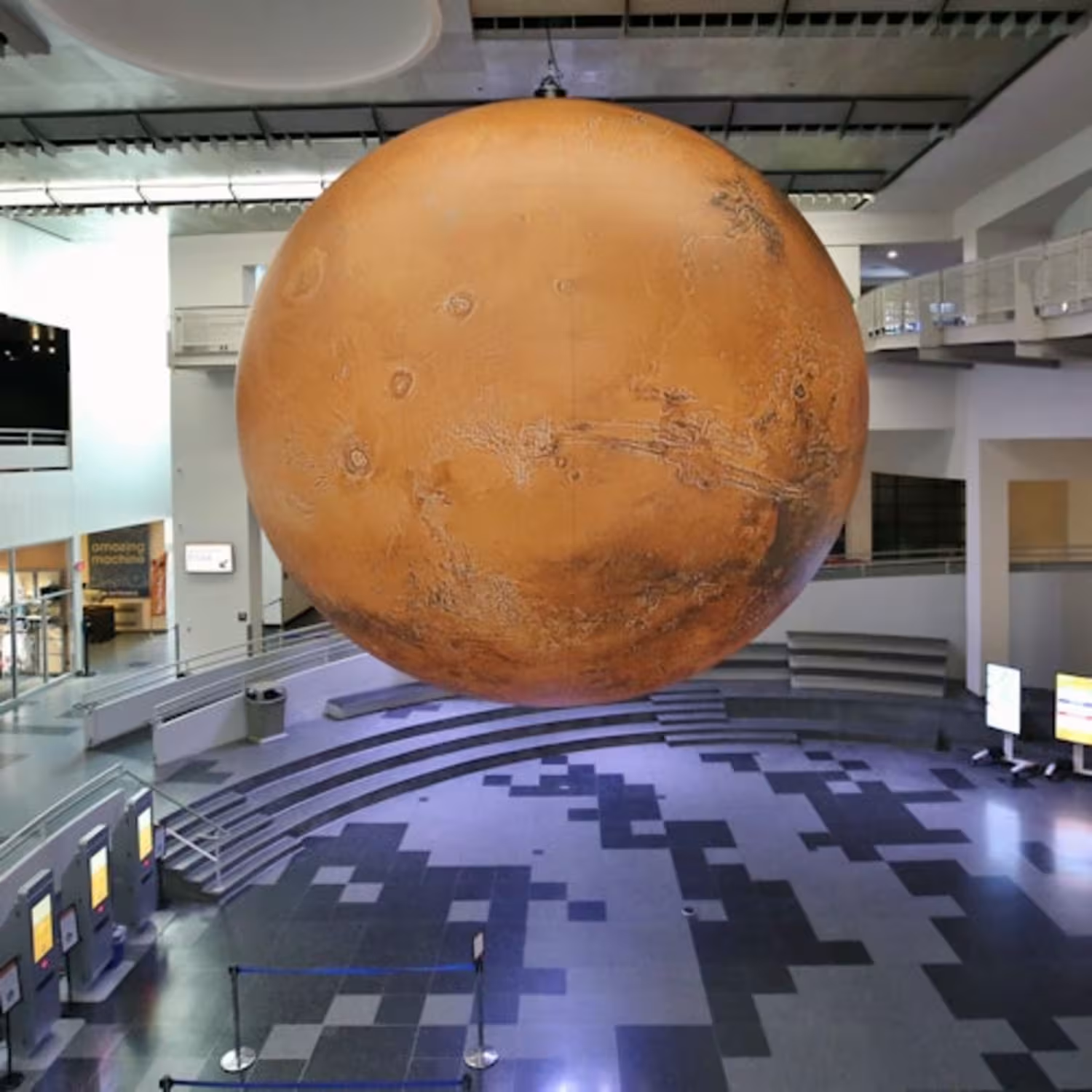
Explore the renowned Fels Planetarium and enjoy captivating space shows.

Learn about astronomy, human biology, and more in diverse exhibition areas.

Suitable for visitors of all ages eager to learn and have fun.
Good to Know Before Visiting The Franklin Institute

Purchasing tickets online in advance is highly recommended to secure your preferred entry time and avoid long queues at the box office.

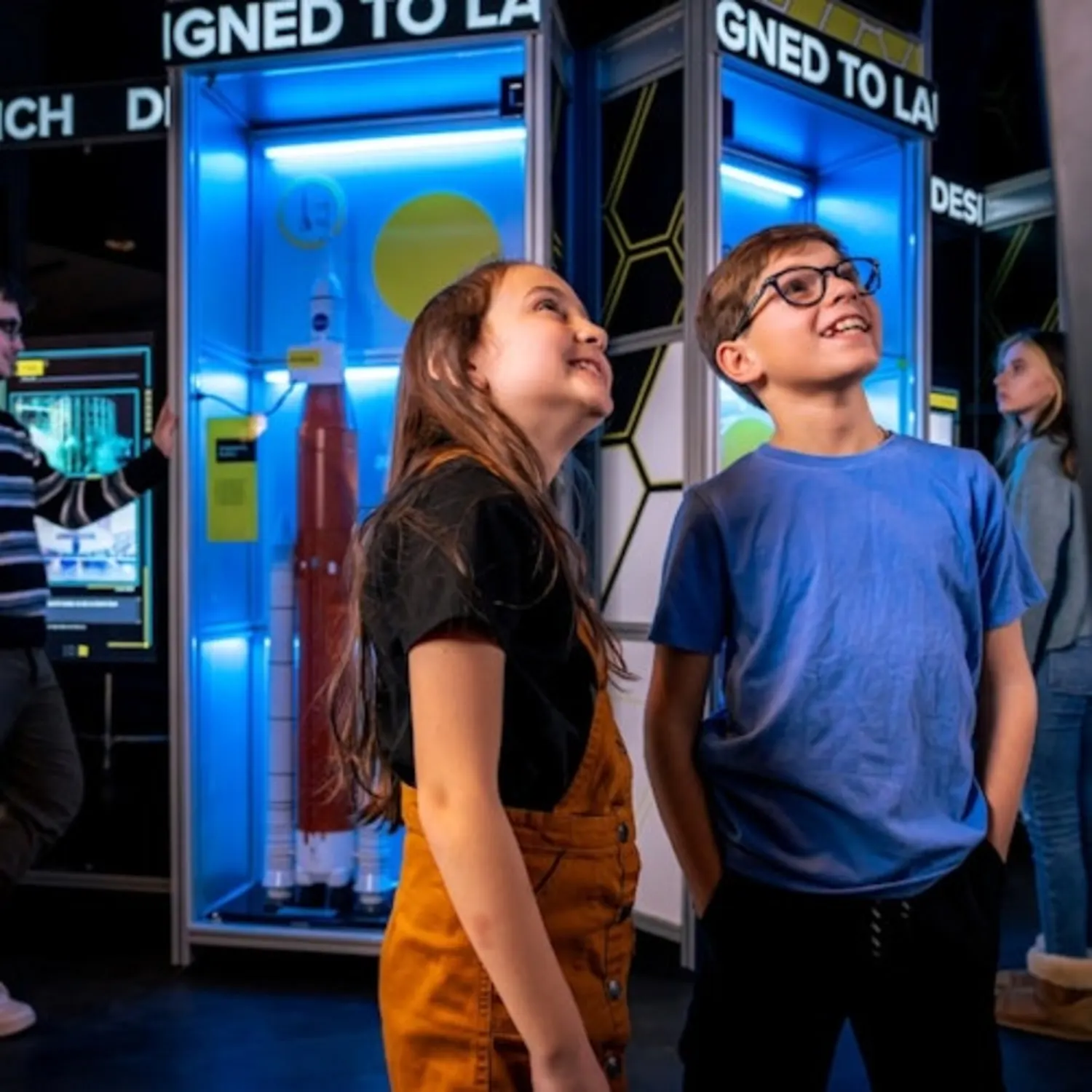
The museum uses timed entry for both general admission and special traveling exhibitions to manage gallery capacity effectively.

Plan to arrive at least 15 minutes before any scheduled planetarium show or live demonstration to ensure seating, as late entry is often restricted.

Photography for personal use is permitted in most permanent galleries, though flash and tripods are generally prohibited to protect the artifacts.

Small lockers are available for rent on the first floor, but the museum cannot store large luggage, strollers, or oversized backpacks.

The Giant Heart exhibit requires navigating narrow stairways, so visitors with mobility concerns should use the accessible viewing platform instead.

Outside food and non-alcoholic beverages are permitted, provided they are consumed in the designated cafeteria or outdoor picnic areas.

The parking garage has a maximum height clearance of 6’1″, so drivers of oversized SUVs or vans should seek alternative local parking.

A physical or digital copy of the daily program is essential for tracking the rotating schedule of live science shows and observatory openings.

Essential Visitor Info

The Franklin Institute (Google Maps)

The Franklin Institute is open daily from 9:30 AM to 5 PM.

Please note that the museum is closed on Thanksgiving Day, Christmas Eve, Christmas Day, and New Year’s Day.

Recommended Visit Length

To fully experience the permanent galleries, a planetarium show, and live demonstrations, visitors should allocate approximately 3 to 4 hours.

Those attending special limited-time exhibitions may wish to add an additional hour to their itinerary.

The Franklin Institute (Google Maps)

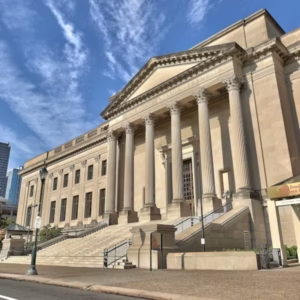
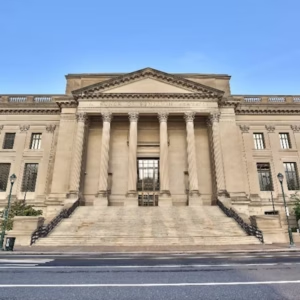
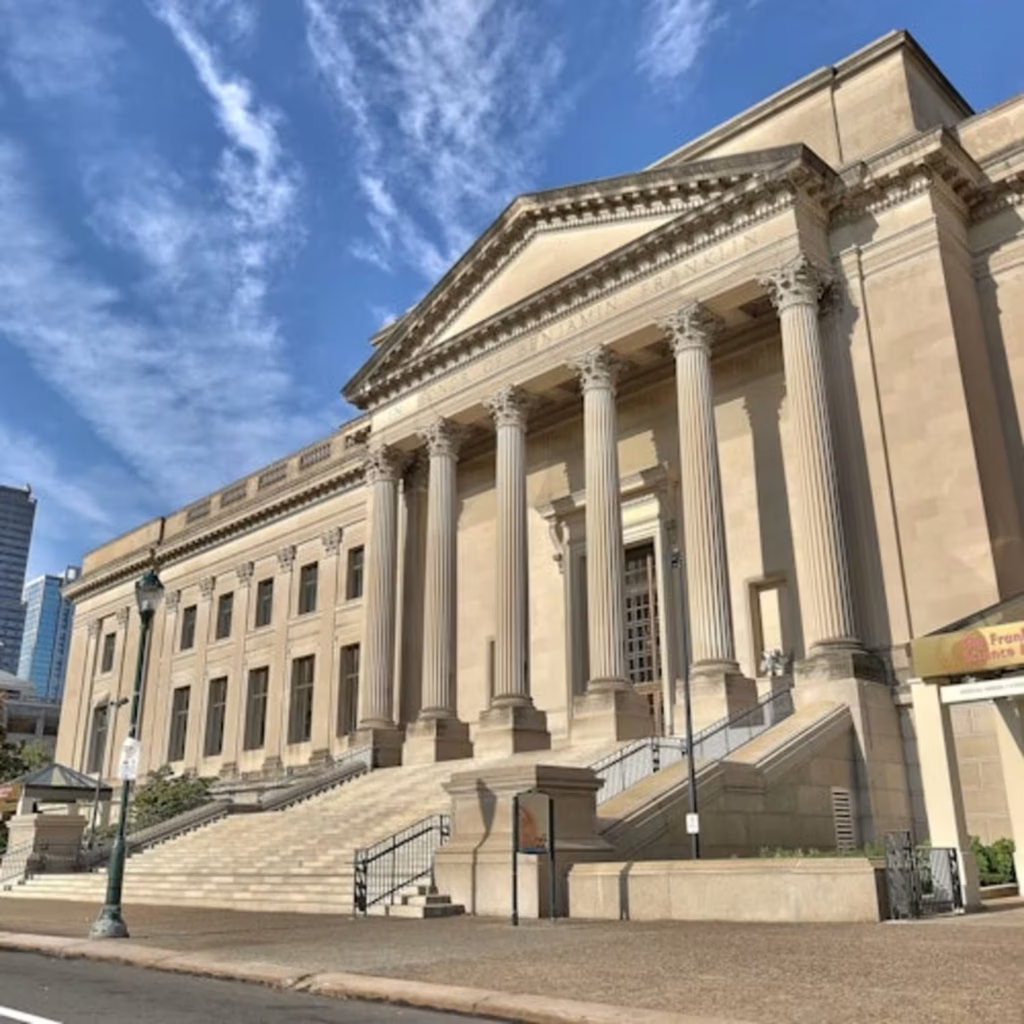
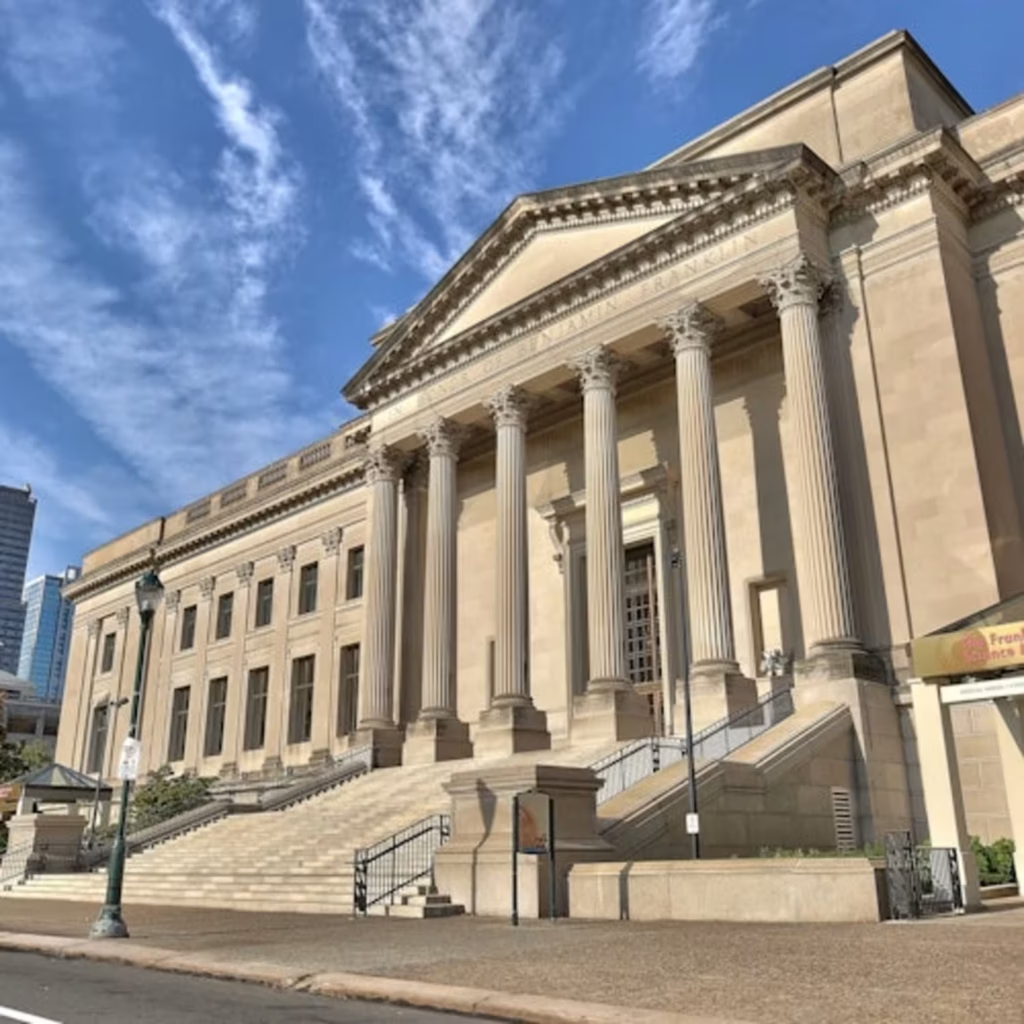
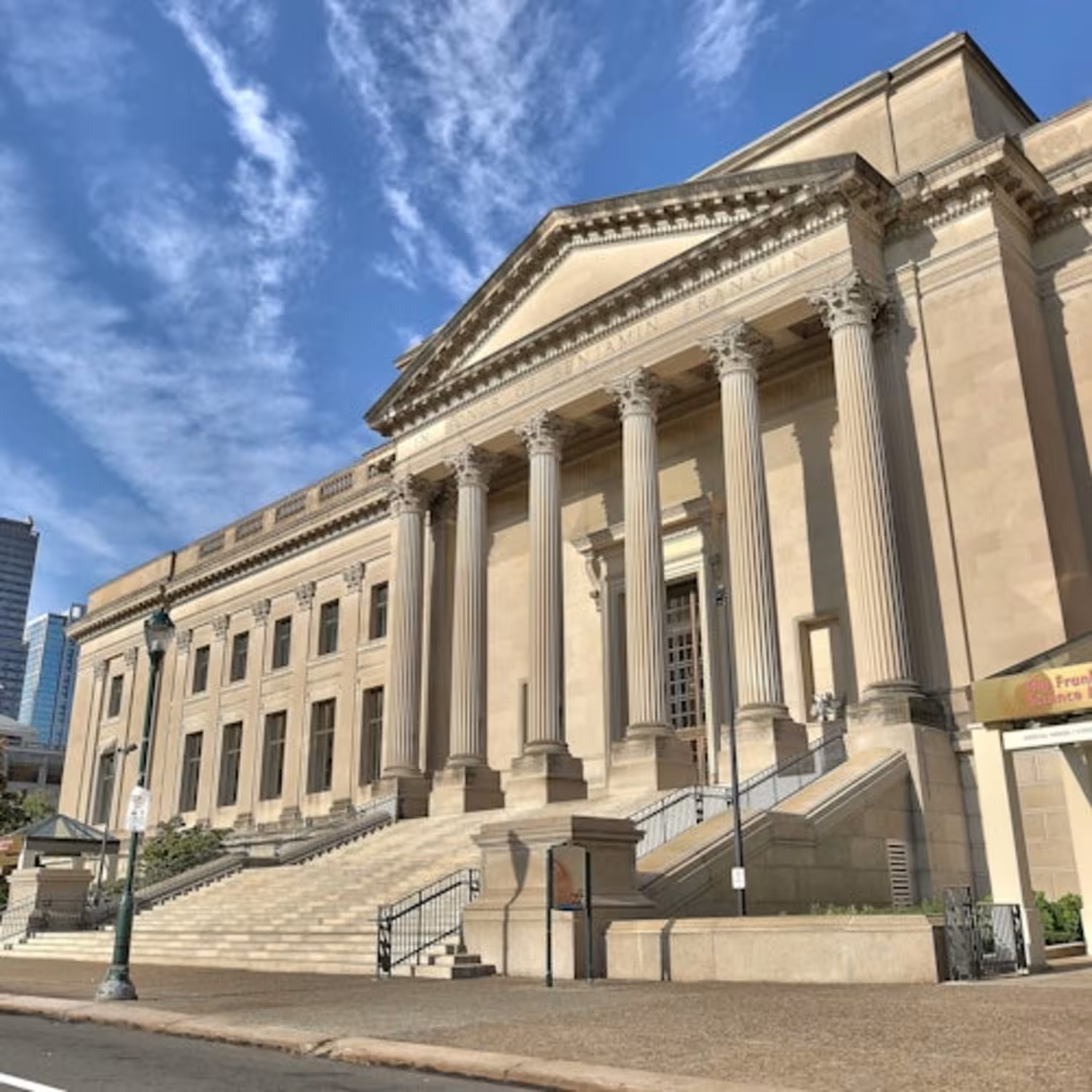
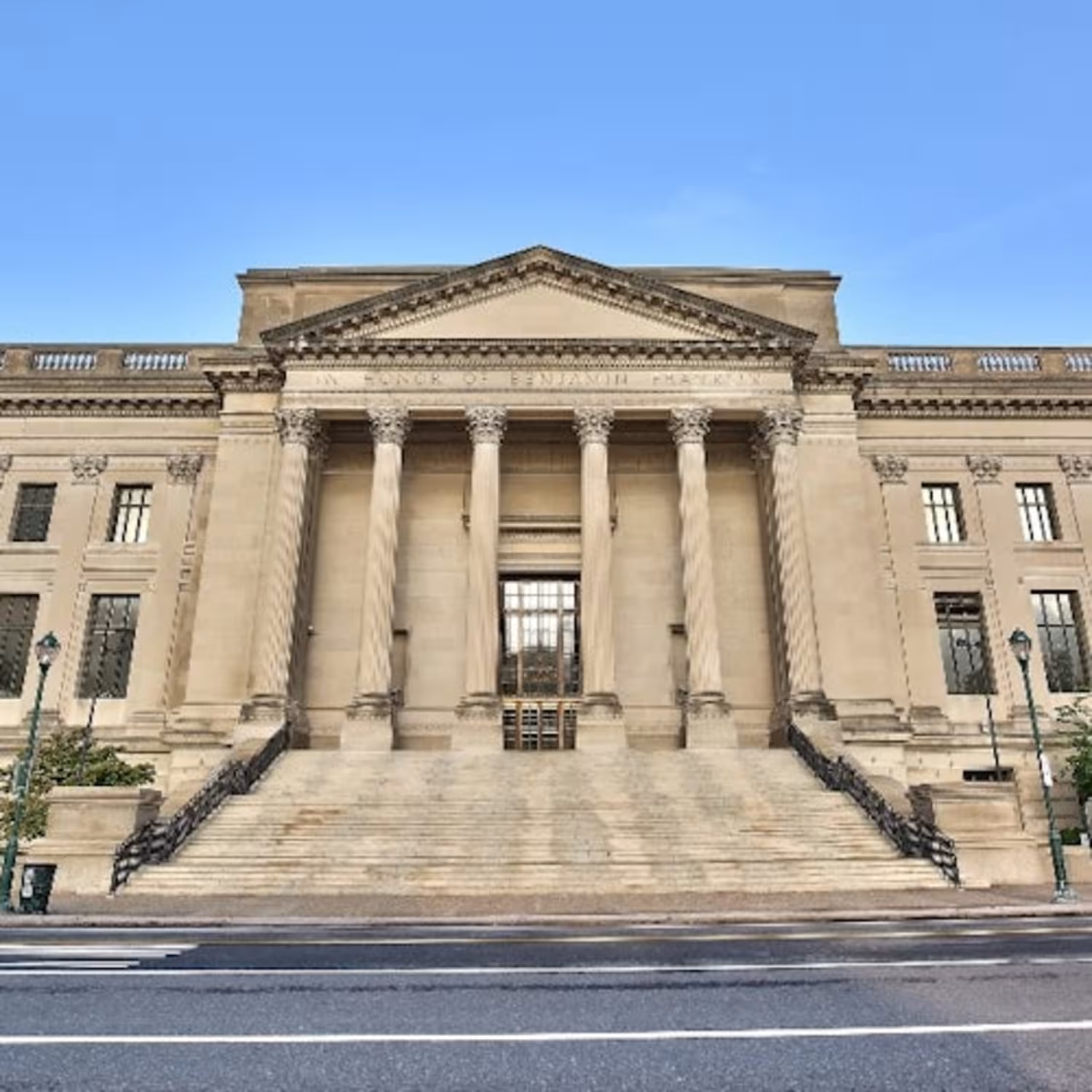
The Franklin Institute is located in the heart of Center City Philadelphia, situated along the historic Benjamin Franklin Parkway. Its central location makes it easily accessible via private vehicle, public transit, or on foot from nearby landmarks.

Address

The Franklin Institute
222 North 20th Street
Philadelphia, PA 19103

By Car and Parking

The museum is located at the intersection of 20th Street and the Benjamin Franklin Parkway.

On-Site Parking: The institute operates its own multi-level parking garage. The entrance is located behind the building at 271 North 21st Street (intersection of 21st and Winter Streets).

Garage Features: The garage provides direct elevator access to the museum’s main atrium. Please note a height restriction of 6'1" for all vehicles.

Alternative Parking: Several third-party garages are available within a three-block radius, including the Logan Square Garage and the Rodin Place Garage. Limited metered street parking is also available on the surrounding blocks.

By Public Transportation

Philadelphia’s SEPTA network provides several convenient options for reaching the museum.

Regional Rail: The museum is approximately a 10-minute walk from Suburban Station. Visitors can access almost all Regional Rail lines from this hub.
Bus: Multiple SEPTA bus routes stop within one block of the museum, including Routes 7, 32, 33, 38, 48, and 49.

Philly PHLASH: During the seasonal operating months, the Philly PHLASH Downtown Loop provides a quick connection from other tourist attractions, with a dedicated stop at 20th Street and the Parkway.

Trolley: The 19th Street and 22nd Street trolley stations (serving routes 10, 11, 13, 34, and 36) are both located within a few blocks of the entrance.

By Train (Amtrak)

Visitors traveling from outside the city can take Amtrak to William H. Gray III 30th Street Station. From there, the museum is a roughly 15-minute walk or a short ride via taxi or rideshare service.

On Foot or By Bike

The Franklin Institute is a prominent stop on the "Museum Mile." It is a scenic walk from other major sites:

From Philadelphia Museum of Art: Approximately 15 minutes heading southeast down the Parkway.

From Love Park: Approximately 10 minutes heading northwest.

Indego bike-share stations are located nearby at 21st and Winter Streets, and at the Free Library of Philadelphia across Logan Circle.

The Franklin Institute provides a range of amenities to ensure a comfortable visit for all guests.

Secure lockers are available for a small fee near the 20th Street entrance to store coats and small bags, though please note that the museum cannot accommodate large luggage.

For parents and caregivers, baby-changing stations are located in restrooms throughout the building, including those in the Atrium, the Planetarium lobby, and the Your Brain exhibit. A dedicated Mother’s Room is located on the first floor near the double gold elevators, offering a private and quiet space for infant feeding.

The museum also features a first aid station and 24/7 security surveillance to maintain a safe environment.

Visitors are encouraged to check the daily schedule upon arrival for live science demonstrations occurring in various theaters and labs across the three floors of exhibit space.

The Franklin Institute is committed to providing an inclusive experience for all visitors. Every level of the museum is accessible via elevators, and most exhibit areas are designed to accommodate wheelchairs and mobility devices.

Mobility Access: Guests may enter through the accessible 20th Street Business Entrance or via the parking garage elevators which lead directly into the Bartol Atrium. A limited number of manual wheelchairs are available for loan free of charge at the Ticketing Desk on a first-come, first-served basis. While the historic Giant Heart is a walk-through exhibit with narrow paths and stairs, an accessible view of the exhibit is available from the surrounding gallery.

Service Animals: Fully trained service animals, as defined by the Americans with Disabilities Act (ADA), are welcome throughout the museum.

Neurodiversity and Sensory Resources: To assist guests with sensory processing needs, the museum offers sensory-friendly backpacks at the Ticketing Desk. These kits include noise-reducing headphones, sunglasses, fidgets, and a sensory guide highlighting areas with high light or sound stimulation. Designated "cool-down" spaces are available if the museum floor becomes overwhelming. Additionally, the institute hosts "Sensory-Friendly Sundays" five times a year, featuring modified lighting, lowered sound levels, and limited crowds.

Visual and Auditory Aids: American Sign Language (ASL) interpreters can be provided for museum visits at no additional cost, provided the request is made at least three weeks in advance. Many theaters and exhibit videos include closed captioning or assistive listening devices.

Personal Care Attendants: Visitors with severe disabilities may be accompanied by a Personal Care Attendant (PCA) at no extra charge. This applies to general admission as well as special exhibitions and theater shows.

About The Franklin Institute

The Franklin Institute (Google Maps)

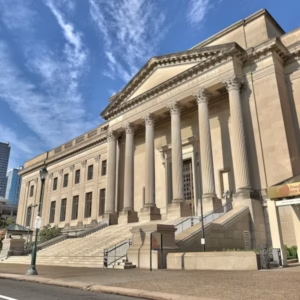
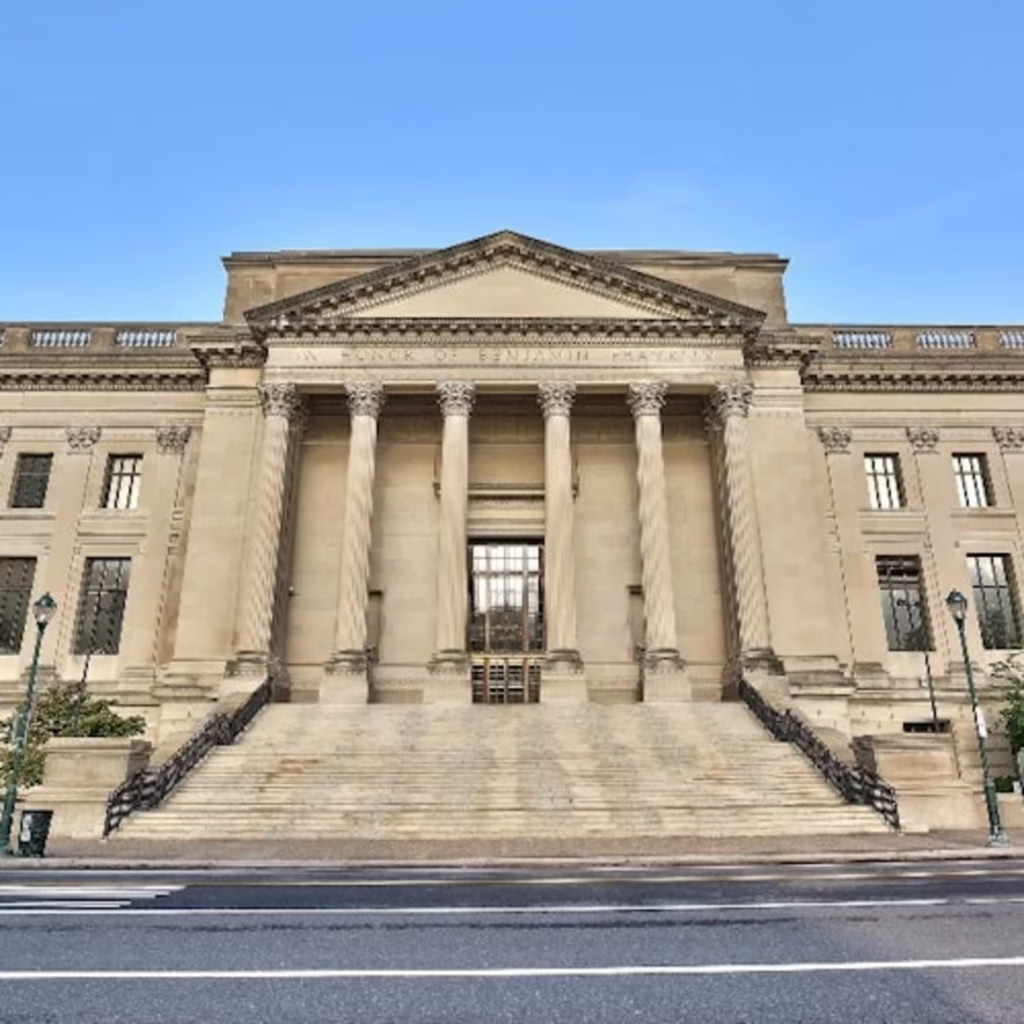
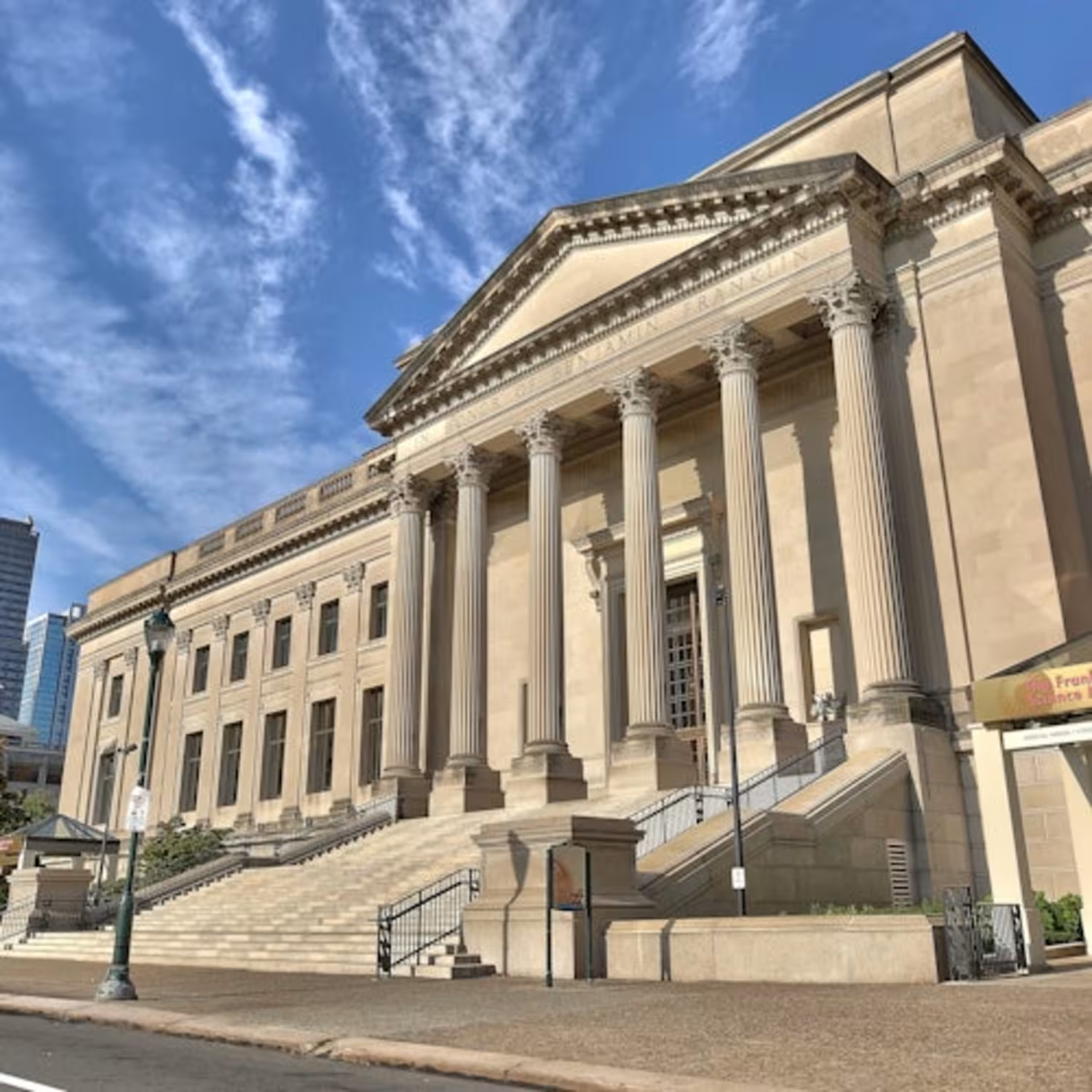
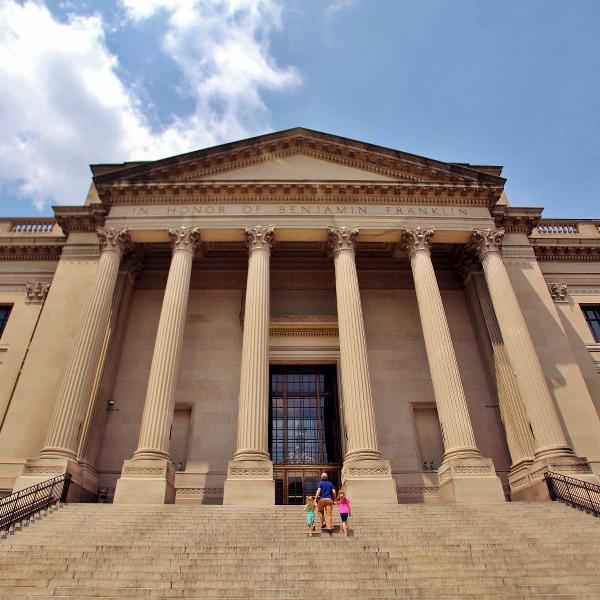
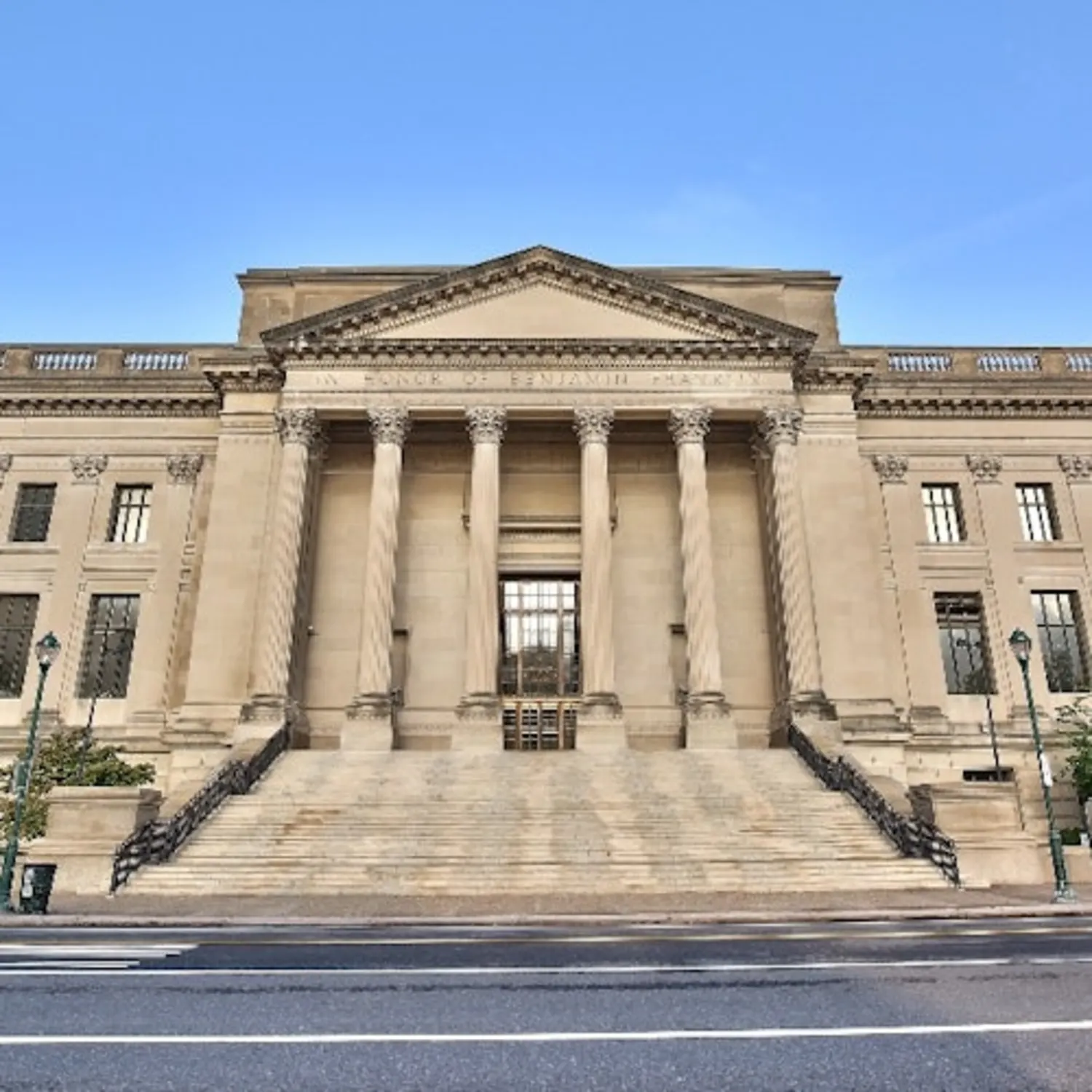
Founded in 1824 by Samuel Vaughan Merrick and William H. Keating, The Franklin Institute was established to honor the legacy of Benjamin Franklin and to promote the "mechanic arts" through education and research. Originally located in Old City, the institution moved to its current Neoclassical home on the Benjamin Franklin Parkway in 1934, specifically designed to be a "Wonderland of Science" where visitors could interact directly with exhibits. As one of the oldest science centers in the United States, it has played a pivotal role in the professionalization of American science, hosting landmark events such as the first public demonstration of an all-electronic television system in 1934.

Today, the museum serves as a premier destination for STEM learning, housing more than 400,000 square feet of exhibit space and the Benjamin Franklin National Memorial. Its mission to inspire a passion for learning is realized through a combination of permanent galleries, such as the high-tech Nicholas and Athena Karabots Pavilion, and world-class traveling exhibitions that cover everything from archaeology to the physics of modern entertainment. By maintaining one of the world’s most prestigious science awards programs and providing extensive community outreach, the institute continues to serve as a vital link between the history of American innovation and the technological breakthroughs of the future.

Total Floor Area: 400,000 square feet

Opening Date at Current Location: January 1, 1934

Building Designer: John T. Windrim

Number of Permanent Galleries: 11

Annual Visitors: Approximately 1 million

Why Visit The Franklin Institute?

Interactive Science Exhibits

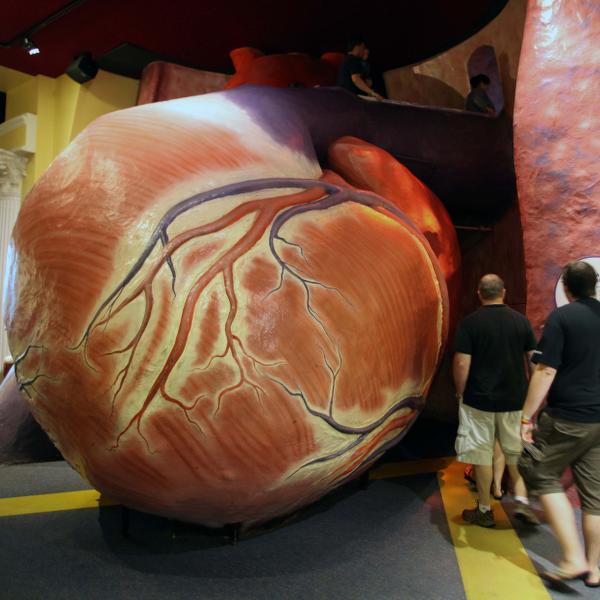
The museum is renowned for its hands-on approach to learning, allowing visitors to engage directly with physical phenomena rather than just observing displays. From the iconic Giant Heart that guests can walk through to the physics-based challenges in the SportsZone, the exhibits are designed to make complex concepts accessible to all ages.

A Tribute to Benjamin Franklin

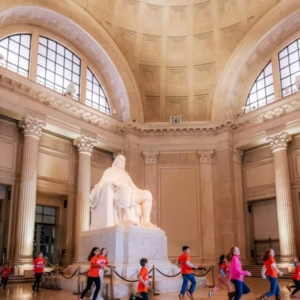
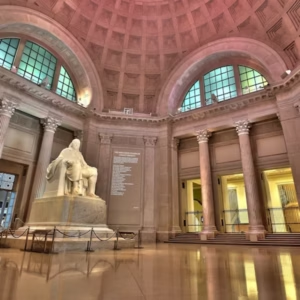
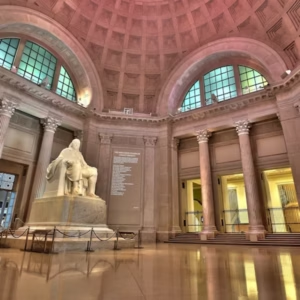
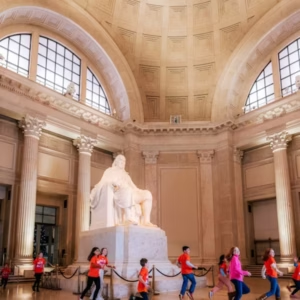
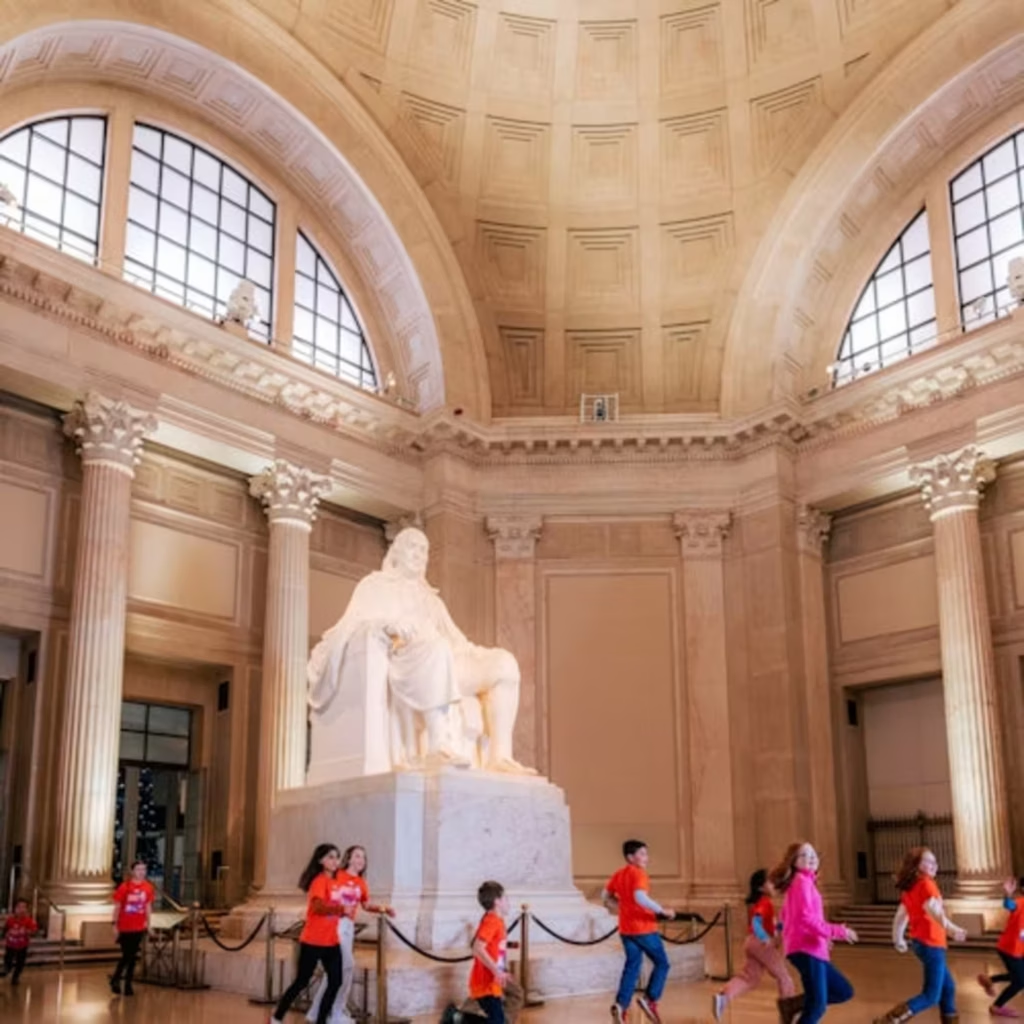
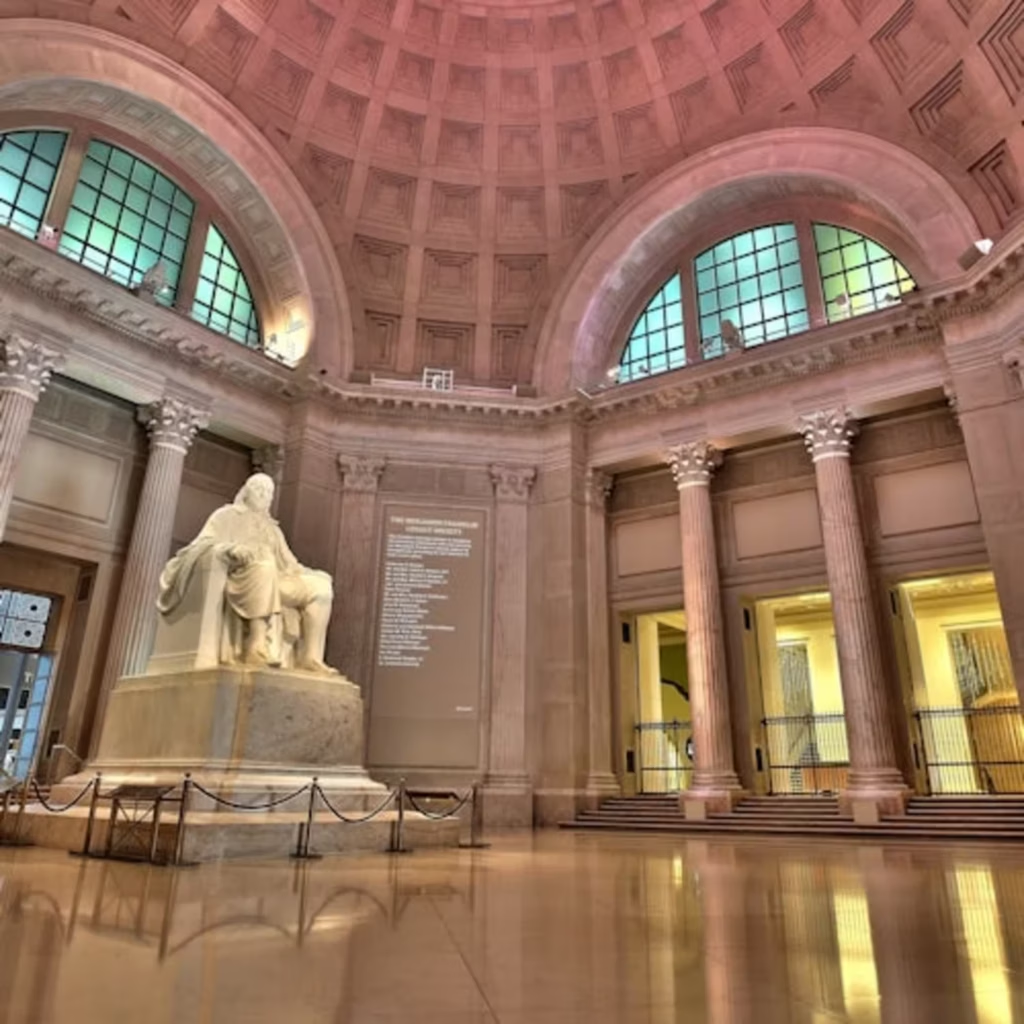
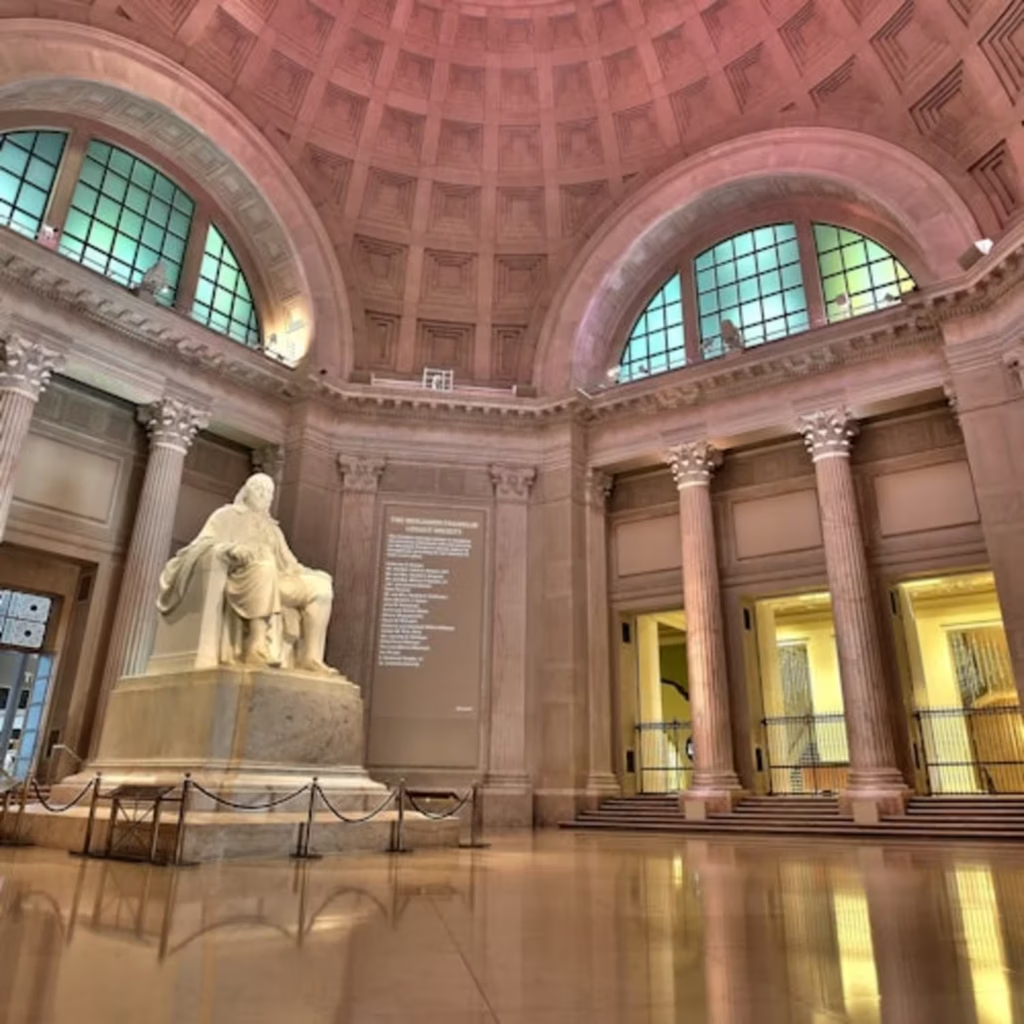
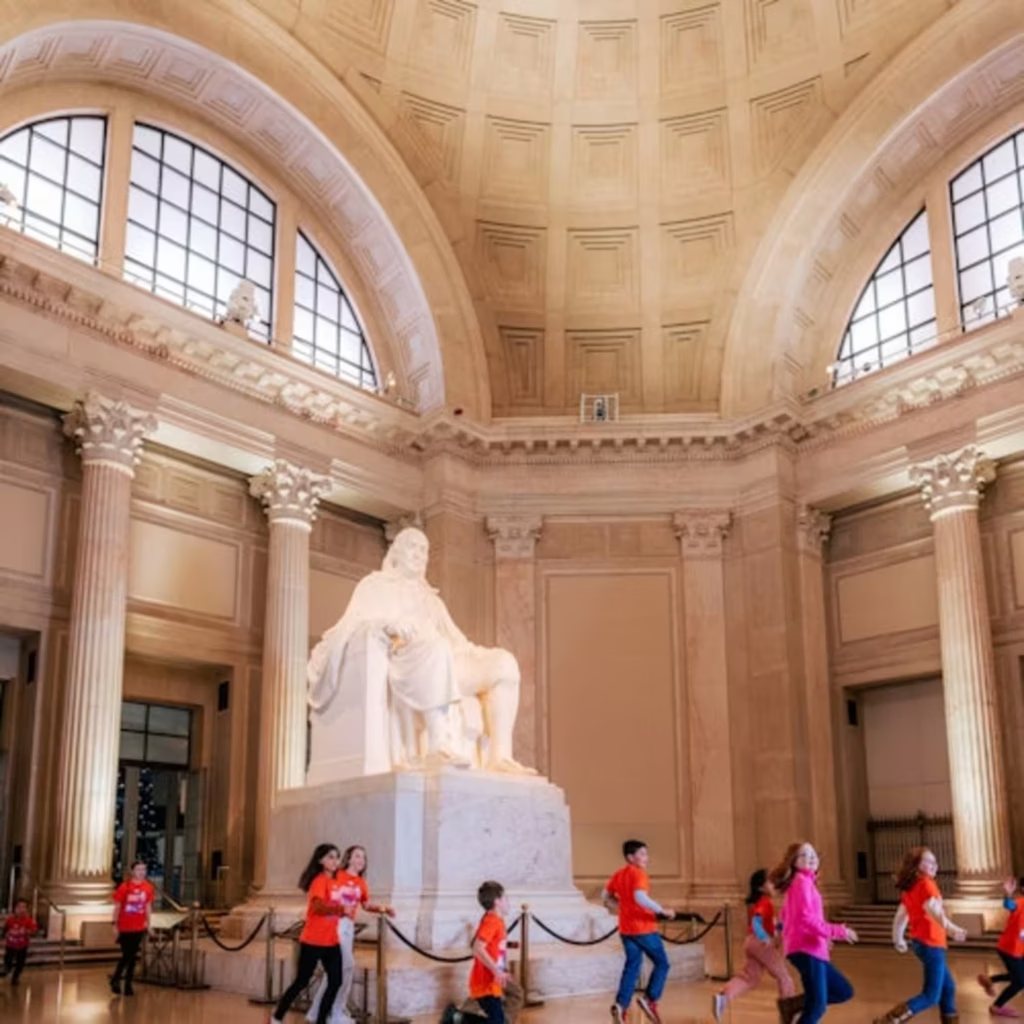
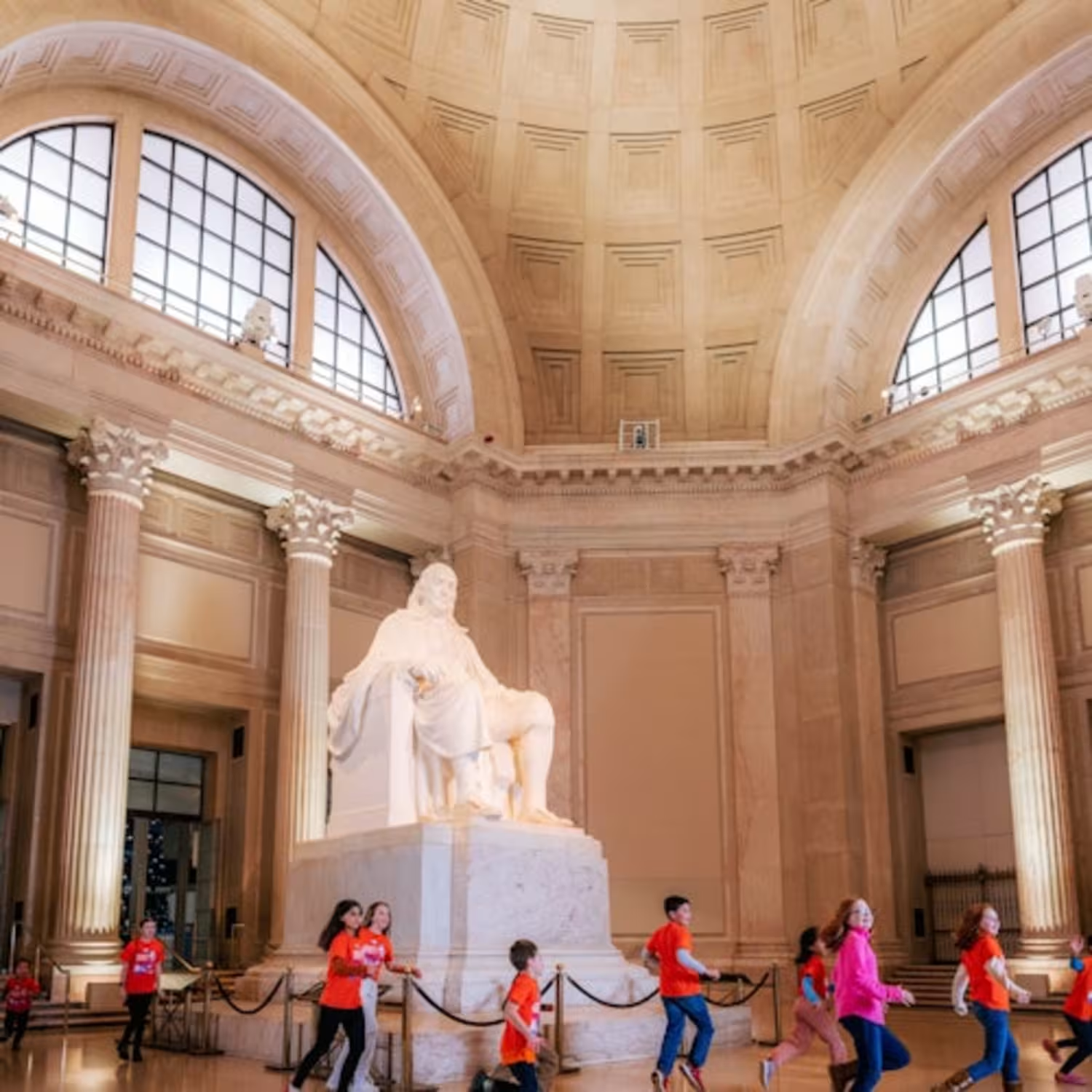
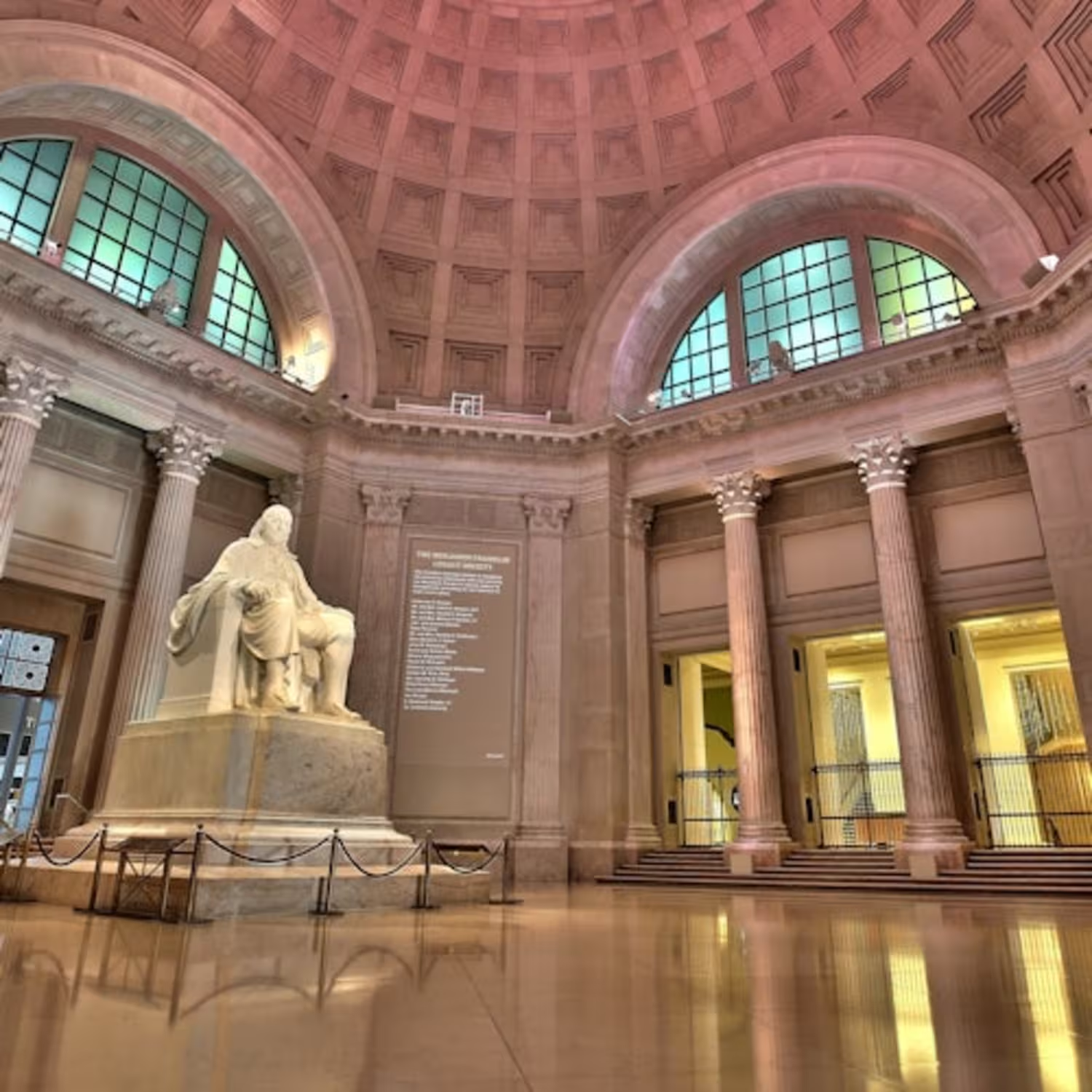
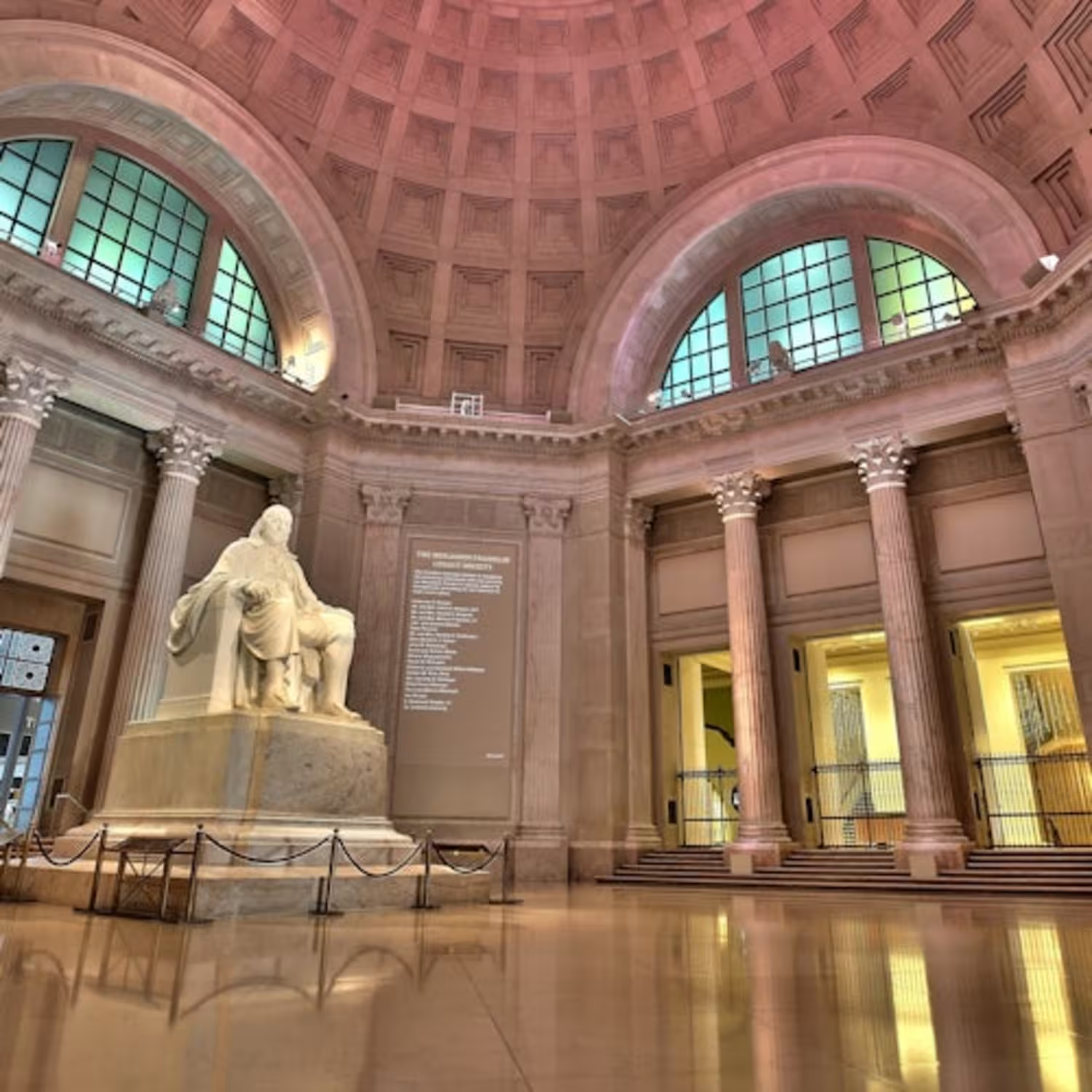
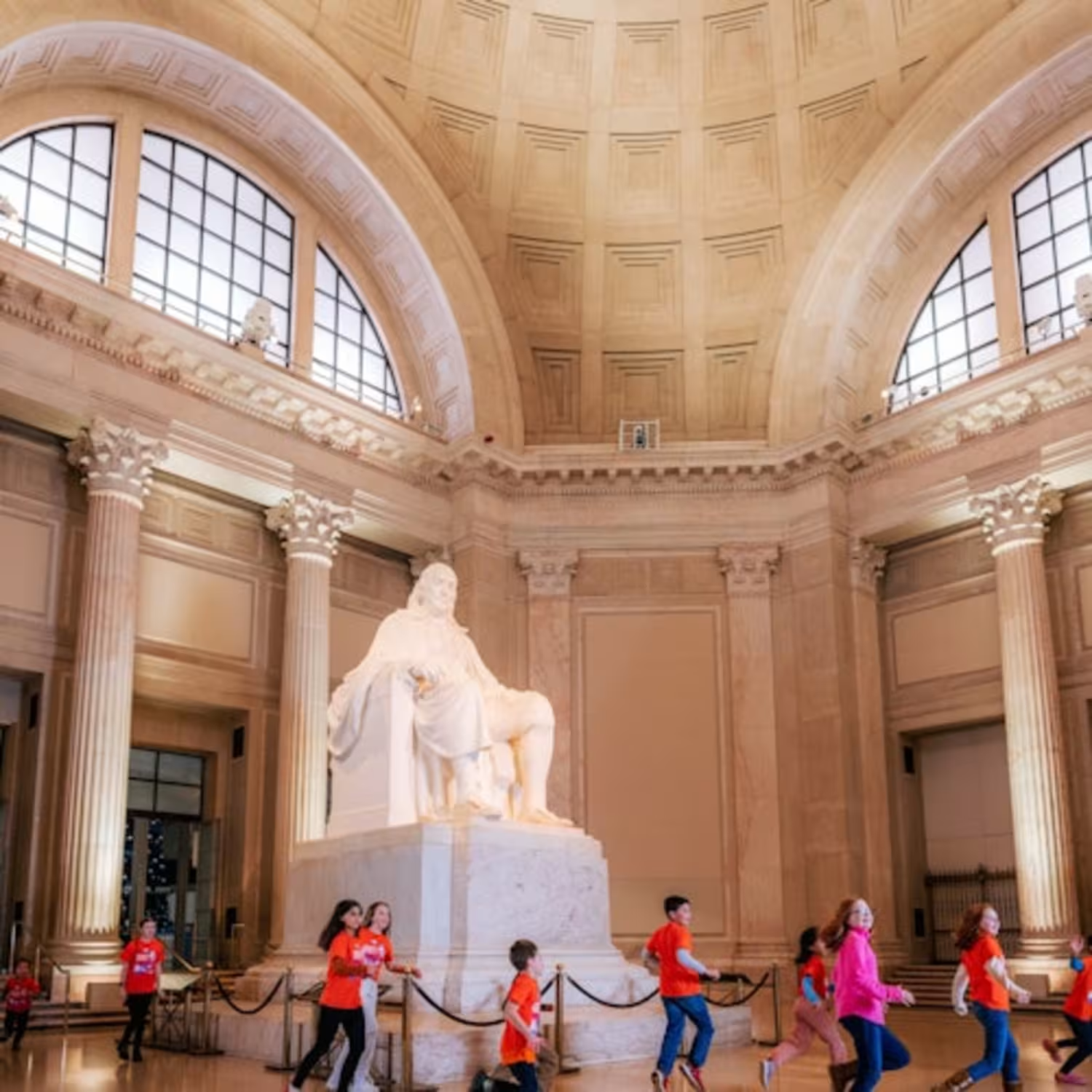
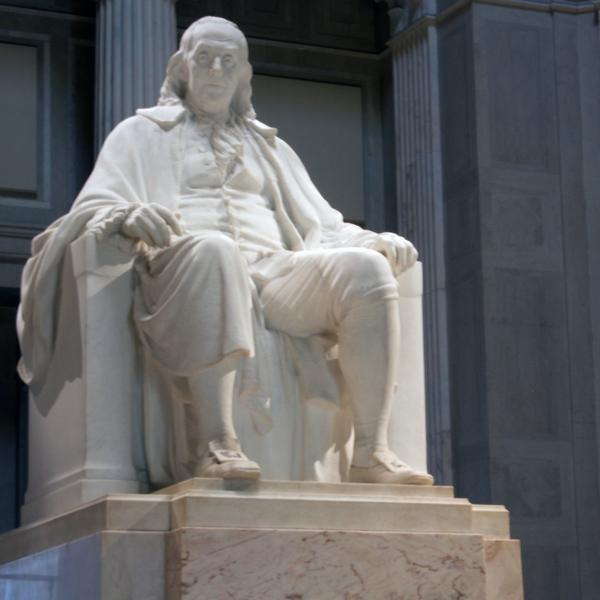
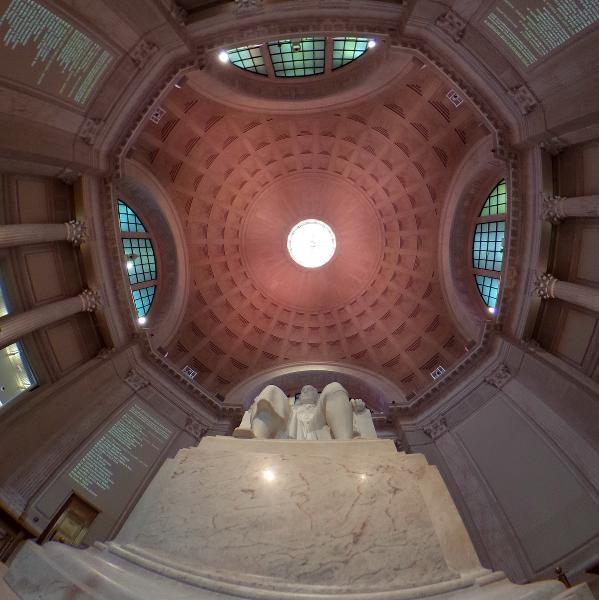
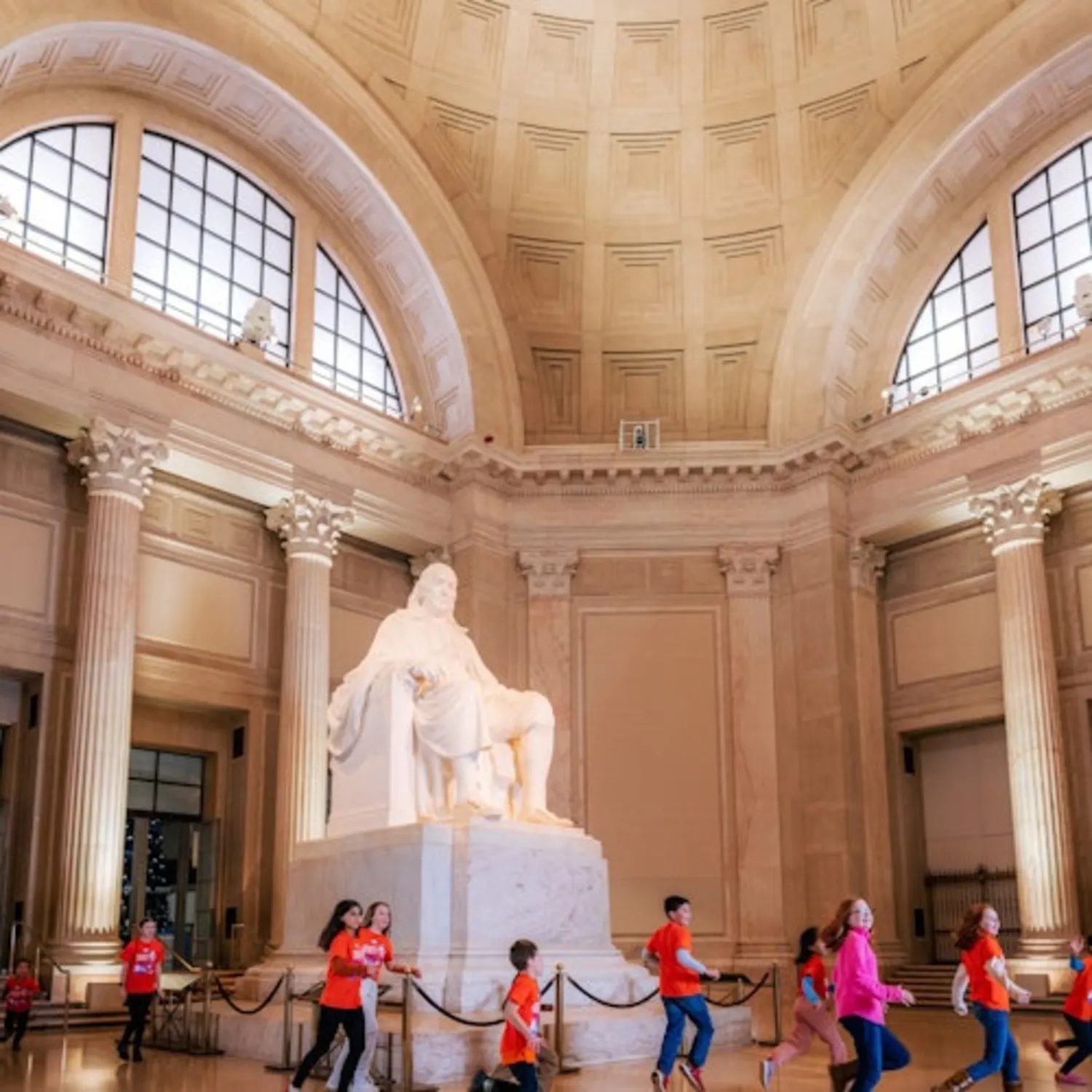
As the home of the Benjamin Franklin National Memorial, the institute serves as the primary gateway to the life and legacy of America's first scientist. Visitors can stand beneath the massive marble statue of Franklin and explore a collection of his personal artifacts and inventions that shaped the modern world.

Cutting-Edge Space Exploration

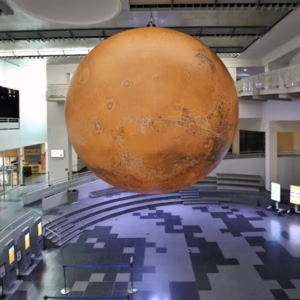
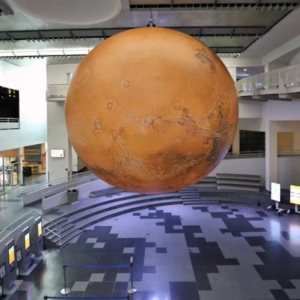
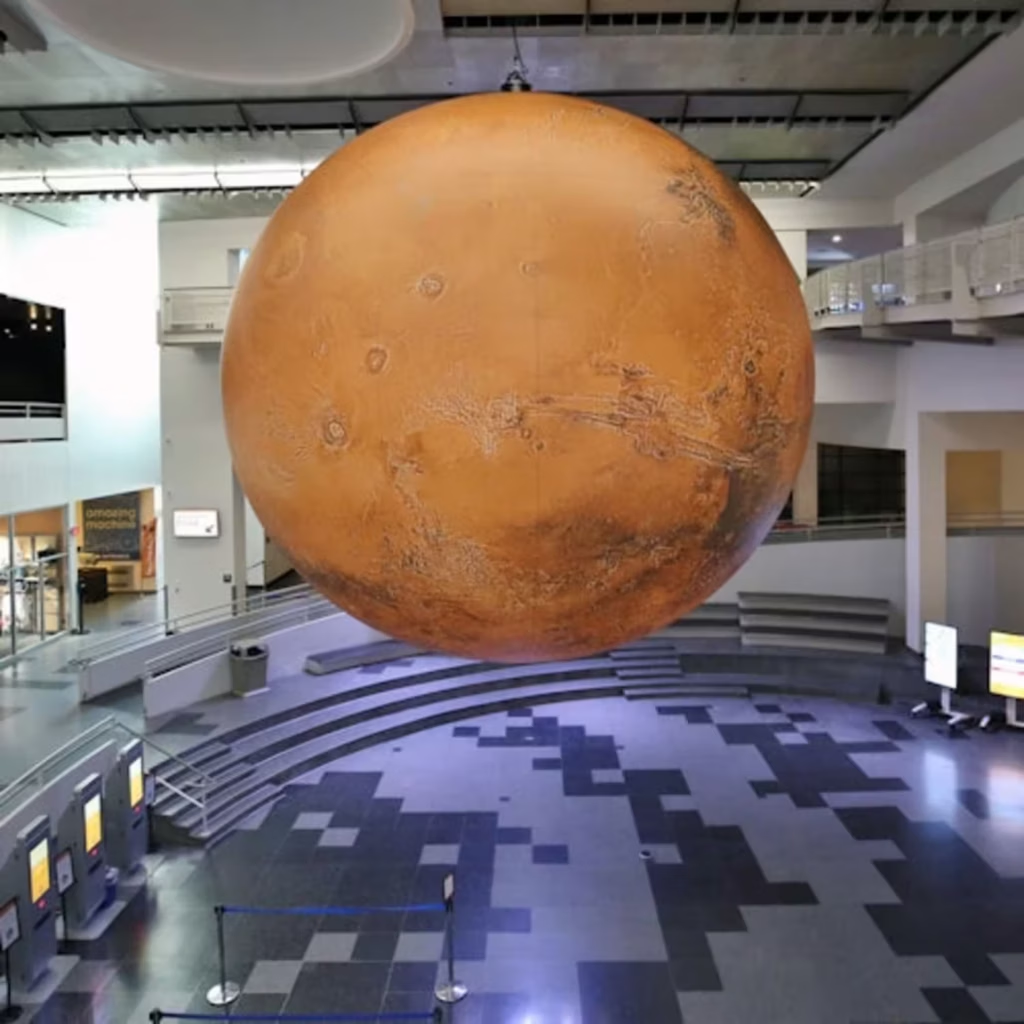
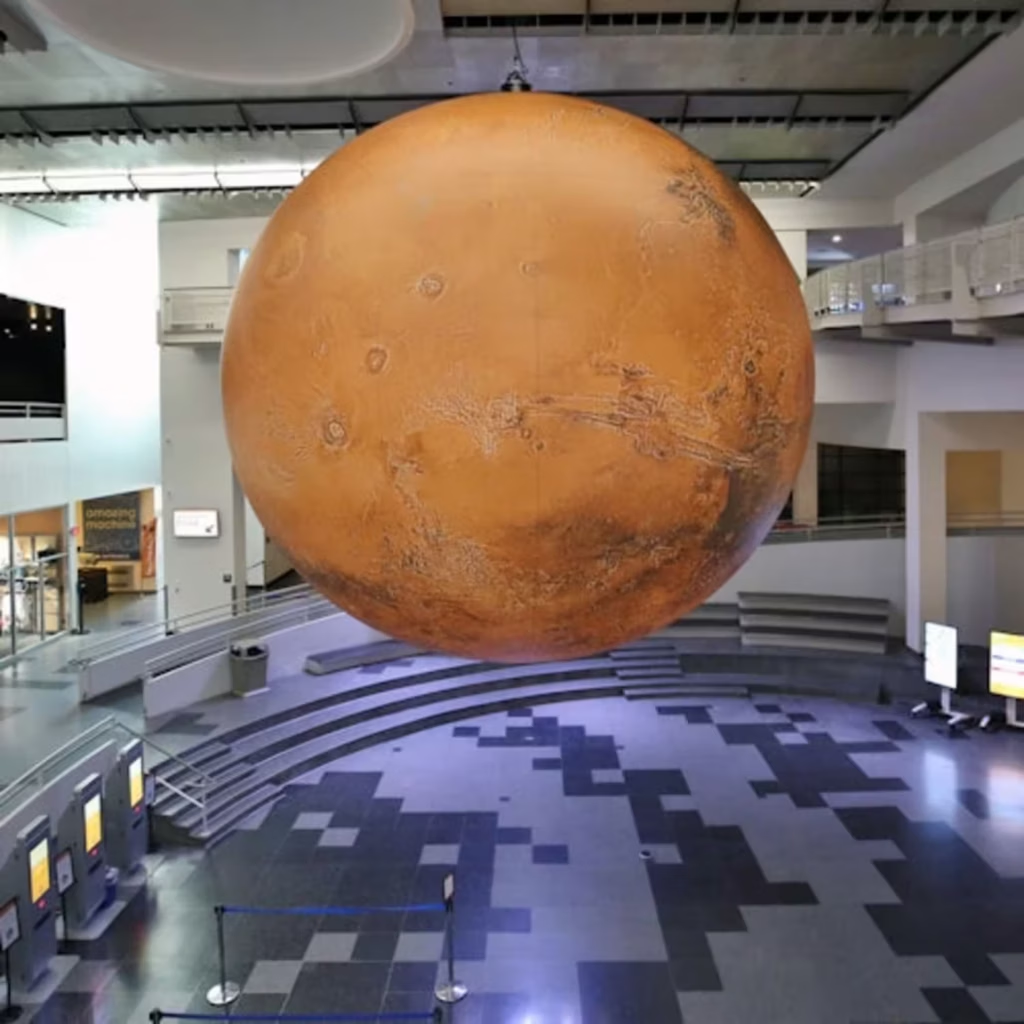
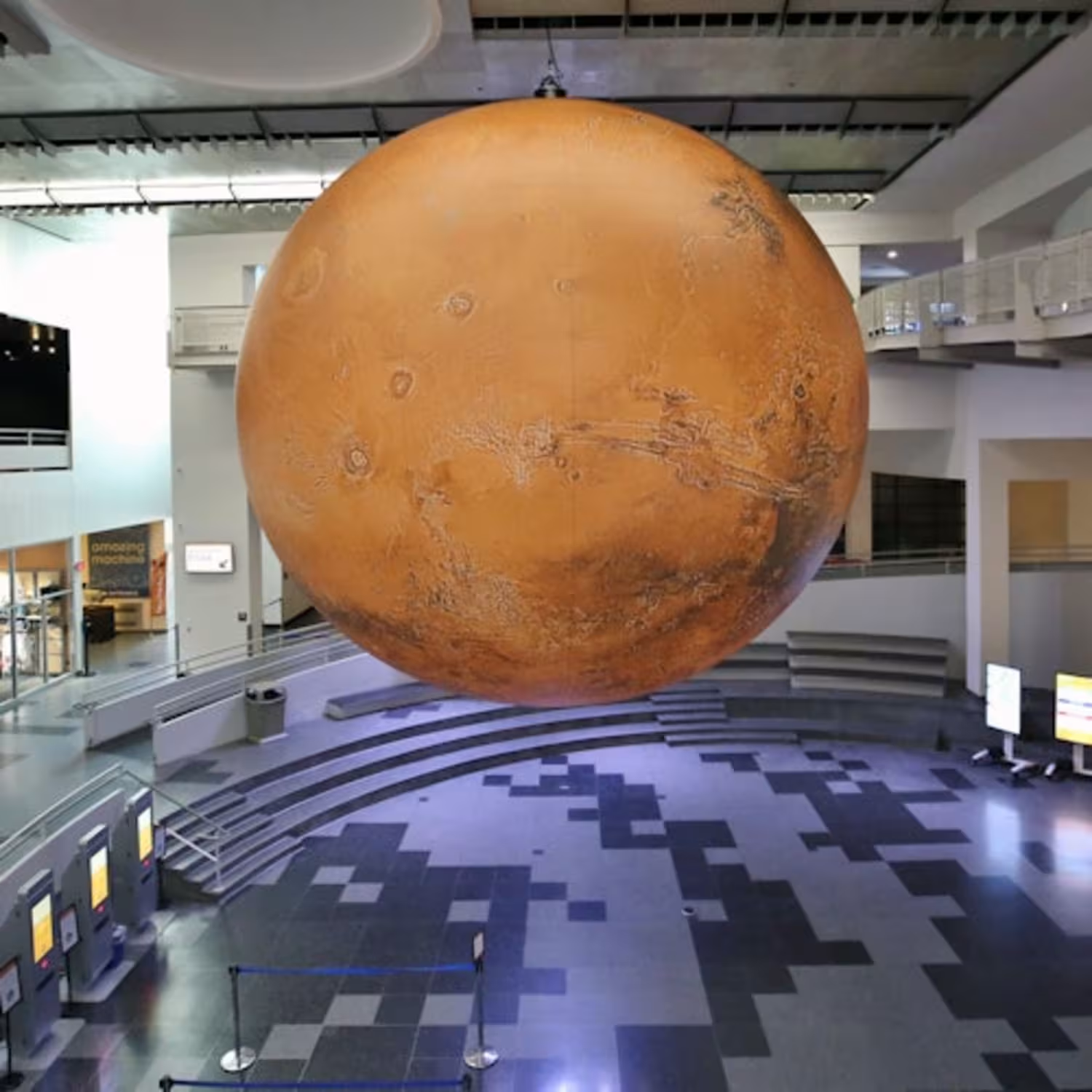
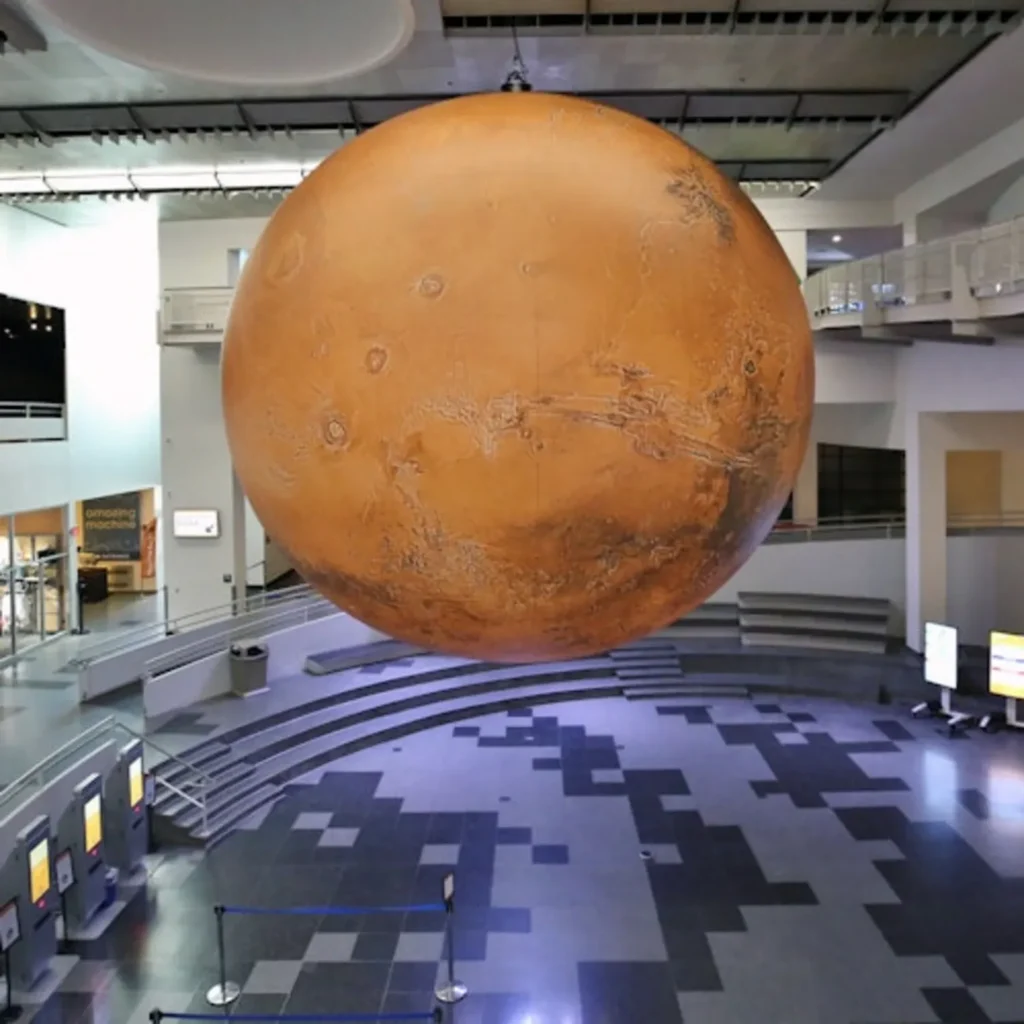
The Fels Planetarium utilizes advanced digital technology to provide immersive journeys through the cosmos, from the surface of neighboring planets to the farthest reaches of the galaxy. Complementing the theater is the Holt & Miller Observatory, which offers a rare opportunity for urban stargazing through a historic refracting telescope.

The Nicholas and Athena Karabots Pavilion

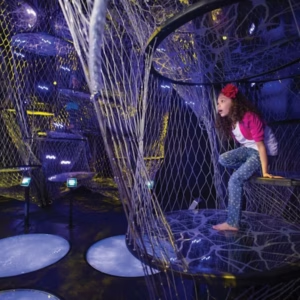
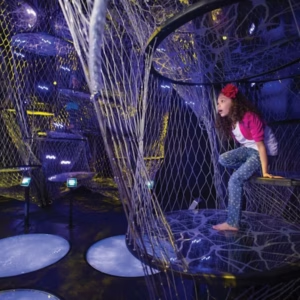
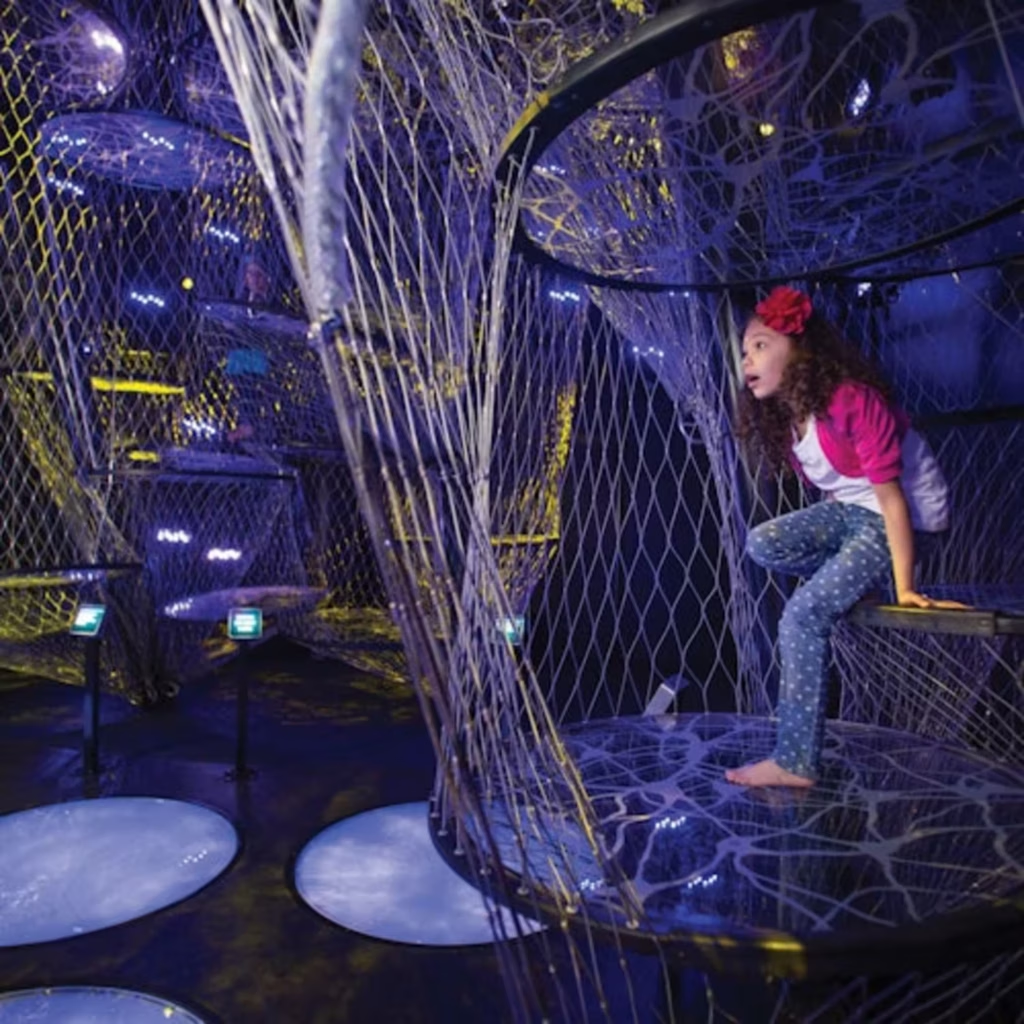
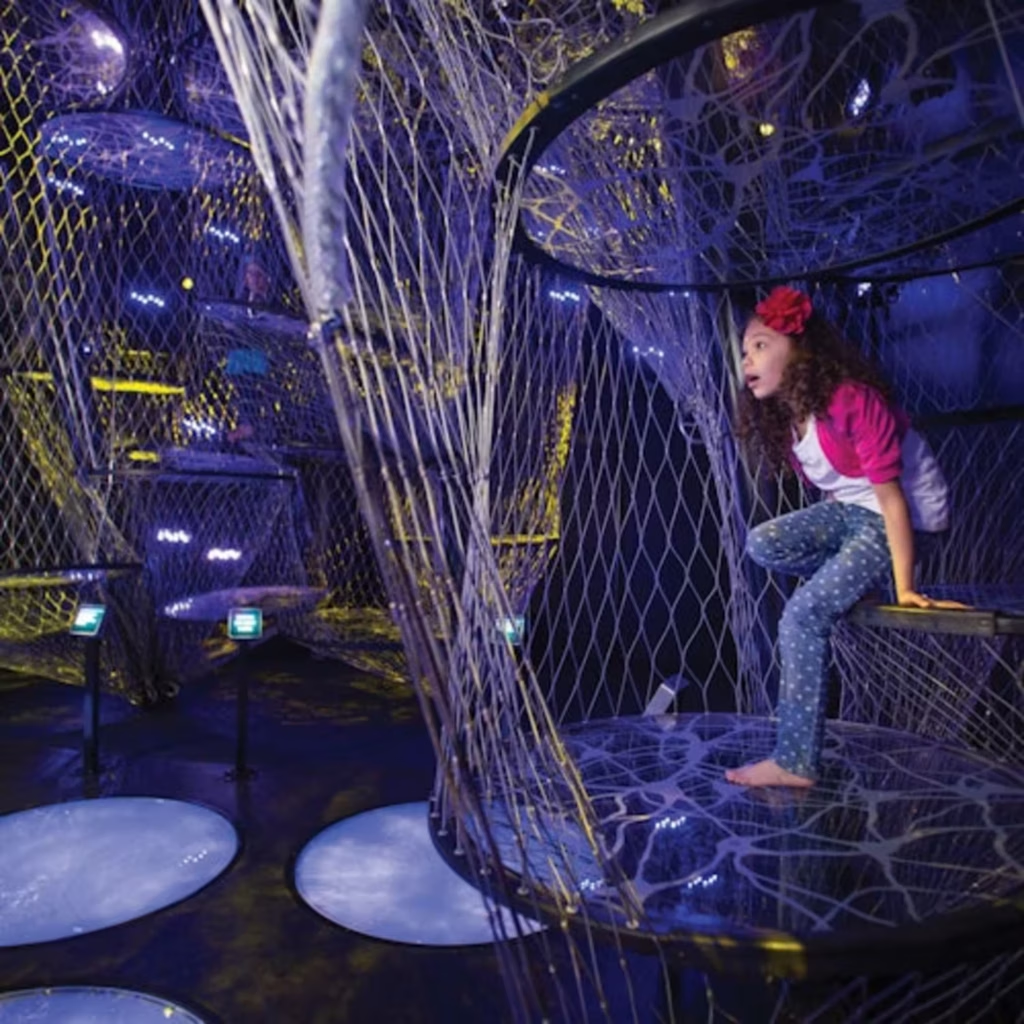
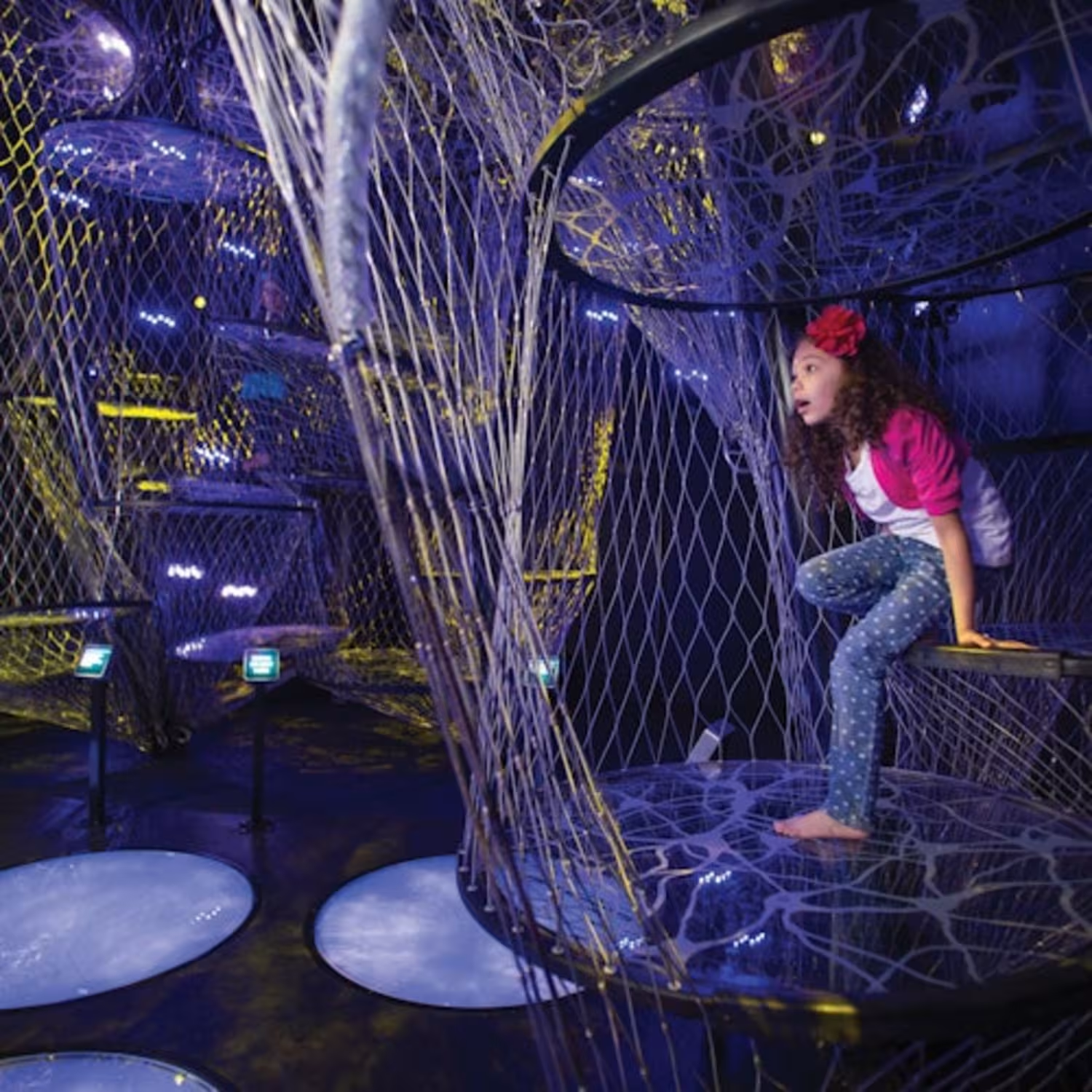
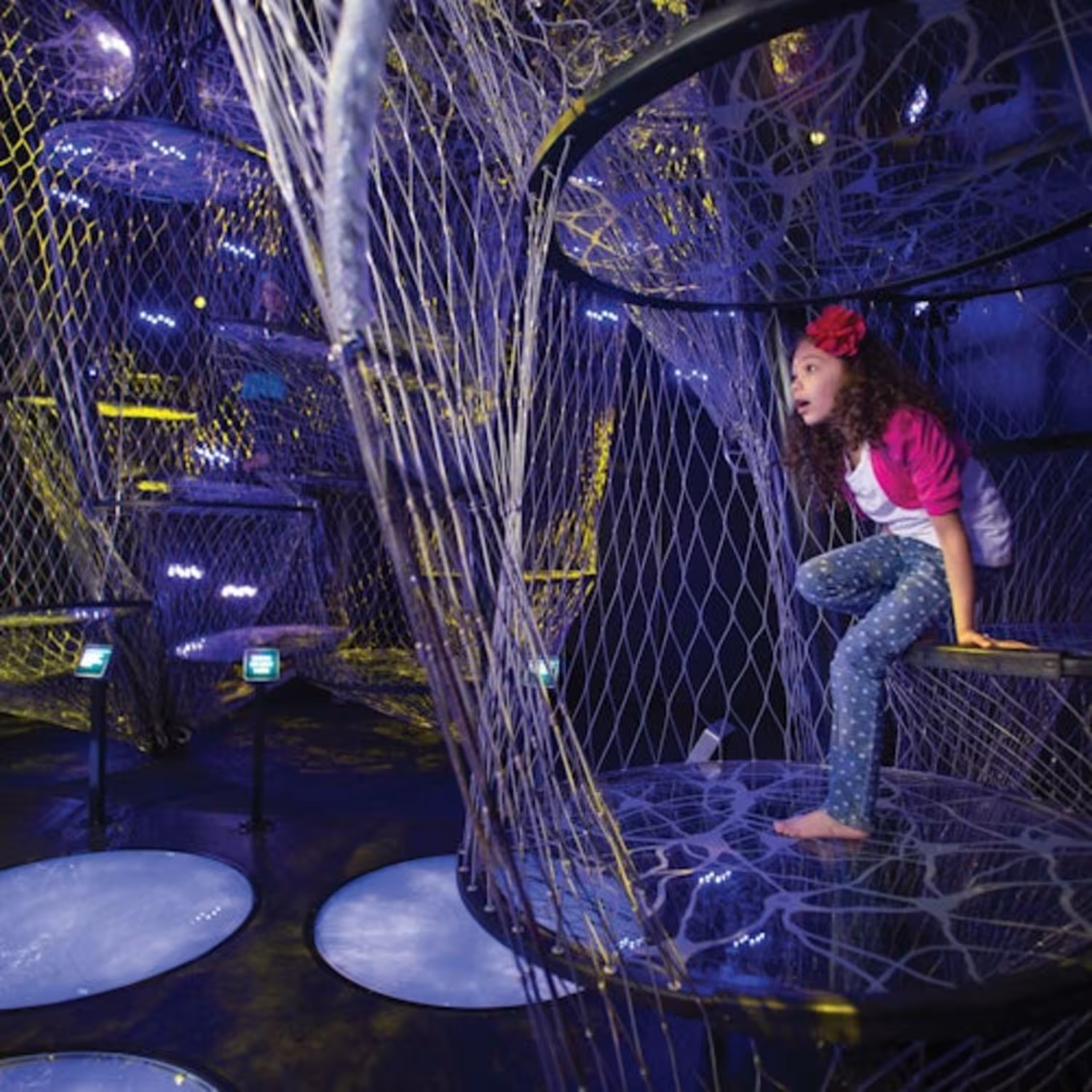
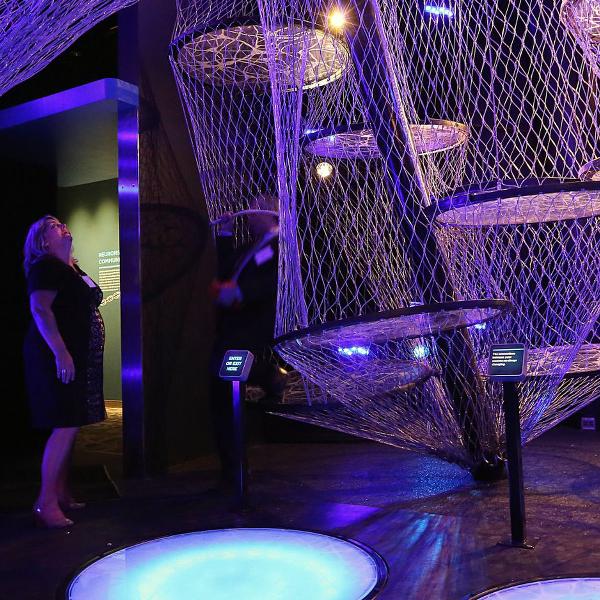
This expansive addition to the museum focuses on the frontiers of neuroscience and modern technology. The centerpiece exhibit, Your Brain, explores the inner workings of the human mind through high-tech simulations and a multi-story neural climbing structure that visualizes how signals travel through the body.

Premier Traveling Exhibitions

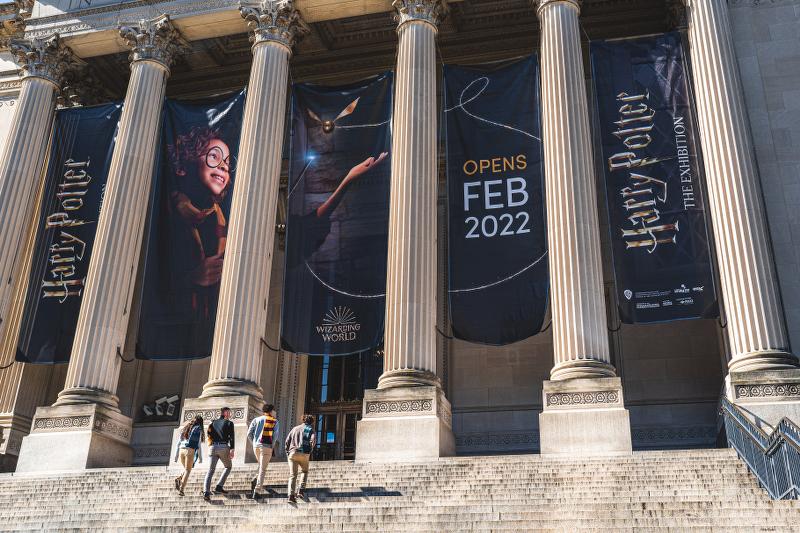
Beyond its permanent collection, the institute regularly hosts world-class touring exhibitions that cover diverse topics from archaeology to pop culture. These limited-time installations often feature rare artifacts and cinematic production values, providing a fresh experience for returning visitors.

The Franklin Institute - Additional Info

The Franklin Institute (Google Maps)

The Eatery, located on the second floor, is the museum's main dining facility, offering a variety of hot entrées, sandwiches, and a fresh salad bar. It provides ample seating for families and is open daily, though hours may vary slightly between weekdays and weekends.

For a faster option, the Café in the Ticketing area provides grab-and-go snacks, beverages, and local favorites like Philly Pretzel Factory soft pretzels.

Visitors are also permitted to bring their own food and non-alcoholic beverages into the museum. Dedicated picnic areas are located on the front lawn and in Science Park (seasonal), and indoor lunchrooms are typically made available to the general public on weekends and holidays.

Please note that there are no public refrigeration facilities available on-site for personal food storage.

The Sci-Store, located on the second floor near the main entrance, serves as the museum's primary retail hub.

It features an extensive collection of educational toys, science kits, and Franklin-themed memorabilia that mirror the themes found in the galleries.

From astronomical guides and physics-based puzzles to souvenir apparel, the store provides items suitable for various age groups and educational interests.

For those visiting high-profile traveling exhibitions, dedicated satellite shops often open at the exit of the special exhibit galleries. These temporary stores carry exclusive merchandise related specifically to the touring display, such as rare collectibles or themed books.

Interesting Facts about The Franklin Institute

The Franklin Institute was founded in 1824 and is one of the oldest centers of science education and development in the United States.

The museum’s namesake, Benjamin Franklin, never actually saw the building as it was constructed long after his death in the 1930s.

The Benjamin Franklin National Memorial features a 20-foot-tall marble statue of Franklin that weighs 30 short tons.

The iconic Giant Heart has been a permanent fixture of the museum since 1954 and is roughly the size of a heart belonging to a 220-foot-tall human.

The Fels Planetarium is the second-oldest planetarium in the United States, having first opened its doors to the public in 1933.

The museum’s Holt & Miller Observatory houses a 10-inch Zeiss refracting telescope that is one of the largest of its kind open to the public.

The Franklin Institute was the site of the world's first public demonstration of an all-electronic television system by Philo Taylor Farnsworth in 1934.

The building's architectural design was inspired by the Pantheon in Rome, which is most evident in the rotunda housing the National Memorial.

A rare 18th-century Maillardet’s Automaton, which can draw four pictures and write three poems, is part of the museum's permanent collection.

The "Your Brain" exhibit features a two-story tall neural climbing structure designed to simulate the firing of neurons in the human brain.

The museum was originally located at 15 South 7th Street, which now serves as the home of the Atwater Kent Collection.

During the 19th century, the Institute was a leading authority on steam boiler explosions and conducted pioneering safety research for the government.

The Baldwin 60000 steam locomotive, weighing 350 tons, was moved into the building through a hole in the wall before the museum was finished.

The roof of the museum features a sophisticated weather station that has been tracking Philadelphia's meteorological data for decades.

The institute manages one of the most prestigious science awards programs in the world, with past recipients including Albert Einstein and Marie Curie.

FAQs about The Franklin Institute

What is the historical significance of The Franklin Institute?

Founded in 1824, it is one of the oldest and most premier centers for science education and development in the United States.

Why is the museum named after Benjamin Franklin?

The institute was established to honor Franklin's legacy as America’s first scientist and to continue his mission of public education and innovation.

What is the Benjamin Franklin National Memorial?

It is a dedicated rotunda featuring a 20-foot-tall marble statue of Franklin, serving as the official national memorial to his life.

Was The Franklin Institute always located on the Benjamin Franklin Parkway?

No, the museum was originally located in Old City on 7th Street before moving to its current Neoclassical home in 1934.

What are some famous scientific milestones associated with the venue?

The museum hosted the world's first public demonstration of an all-electronic television system in 1934.

How many permanent galleries are located within the museum?

There are 11 permanent galleries covering diverse topics such as neuroscience, astronomy, and physics across 400,000 square feet.

What makes the Giant Heart exhibit unique?

This walk-through exhibit is roughly the size of a heart for a 220-foot-tall human and has been a museum staple since 1954.

How long does a typical visit to the museum take?

Most visitors spend between 3 and 4 hours exploring the permanent exhibits, planetarium, and live demonstrations.

Is it necessary to purchase tickets in advance?

Advanced online booking is highly recommended to secure your preferred entry time and avoid long lines at the box office.

Can I bring my own food into the museum?

Yes, outside food is permitted but must be consumed in the designated cafeteria or outdoor picnic areas.

Is there parking available on-site?

The museum operates a multi-level parking garage at 21st and Winter Streets with direct elevator access to the atrium.

Are the exhibits accessible for visitors with mobility concerns?

All levels are accessible via elevators, and manual wheelchairs are available for loan at the Ticketing Desk.

What are the standard operating hours?

The museum is open daily from 9:30 AM to 5 PM, though it is closed on major winter holidays.

Is photography allowed inside the galleries?

Handheld photography for personal use is permitted in most areas, provided you do not use a flash or tripods.

This website sells official tickets for this venue. Please note, however, that it is not the official website of the venue.

The images and videos on this website may contain visual elements that have been created or enhanced using AI technology. They are provided for illustrative purposes only.