We are processing your request.
Please, don’t close or refresh the page.
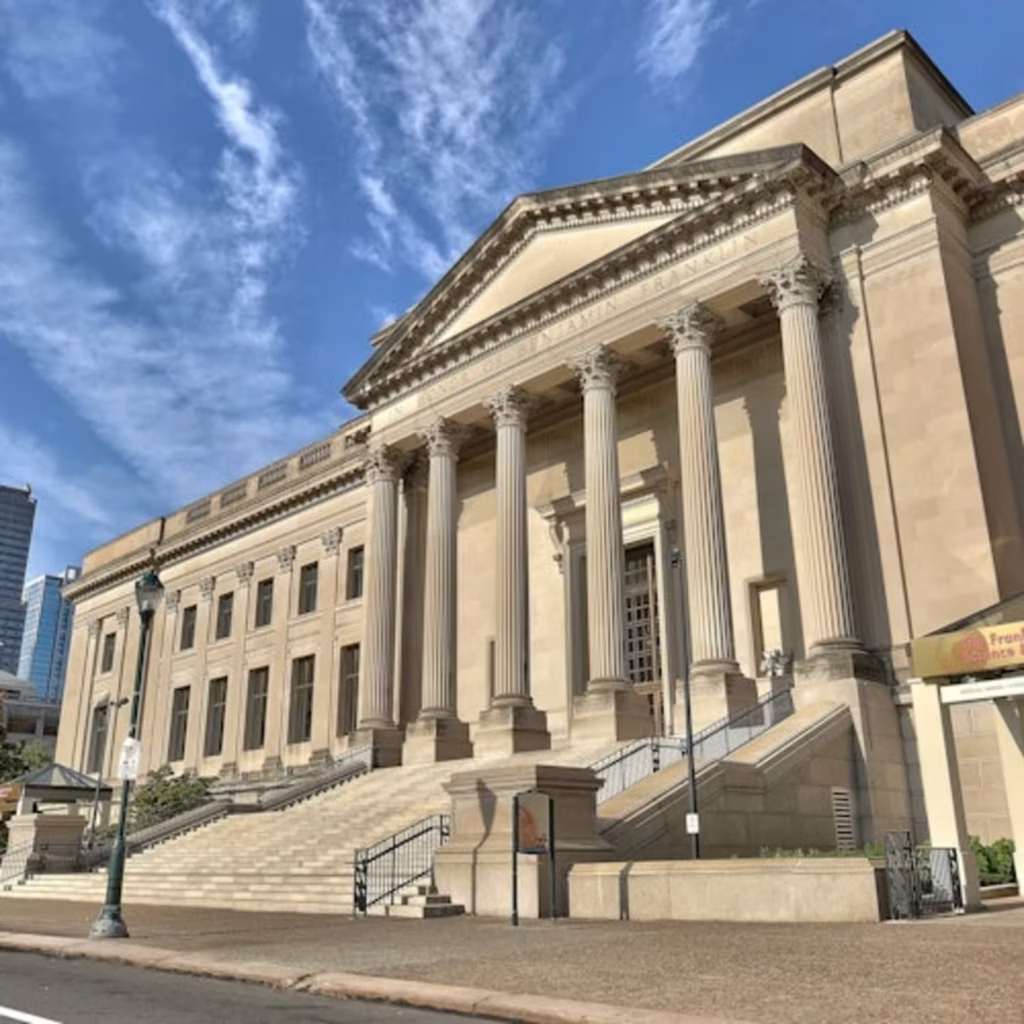
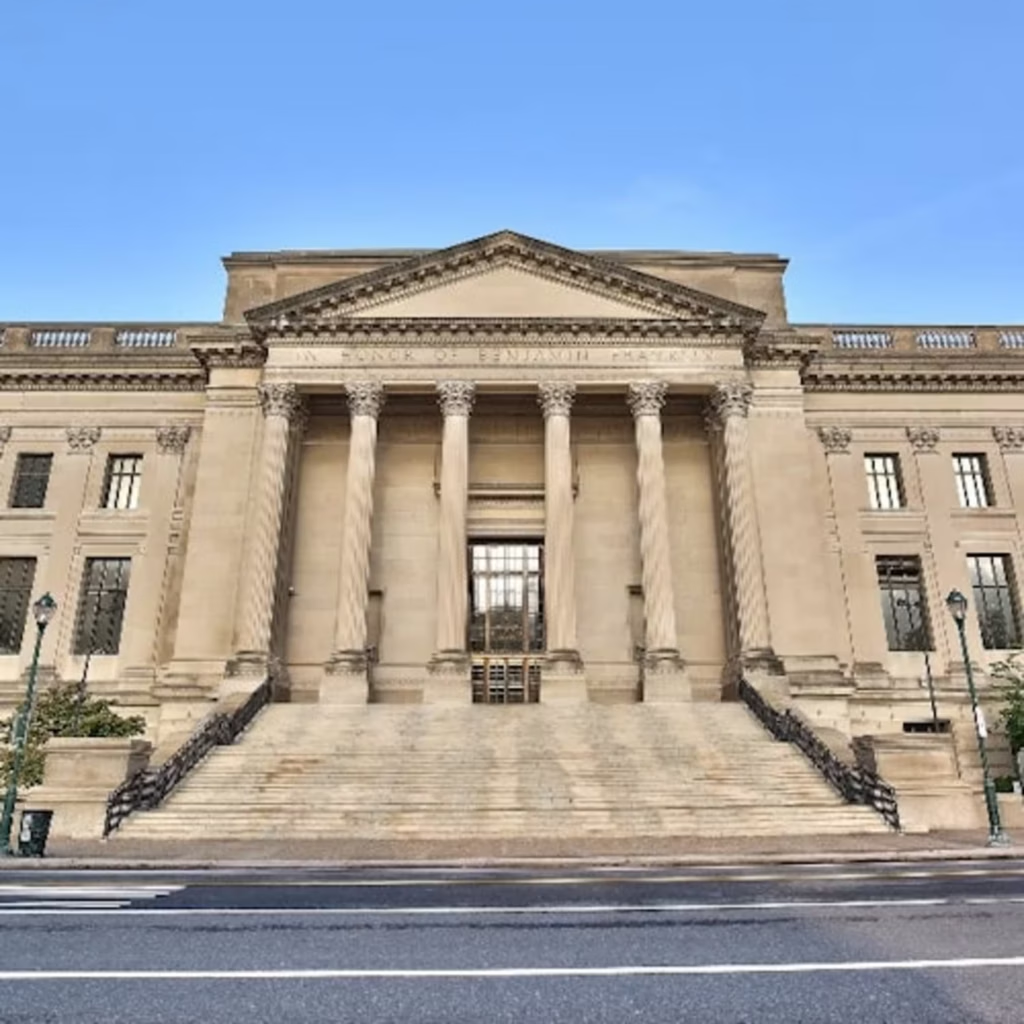
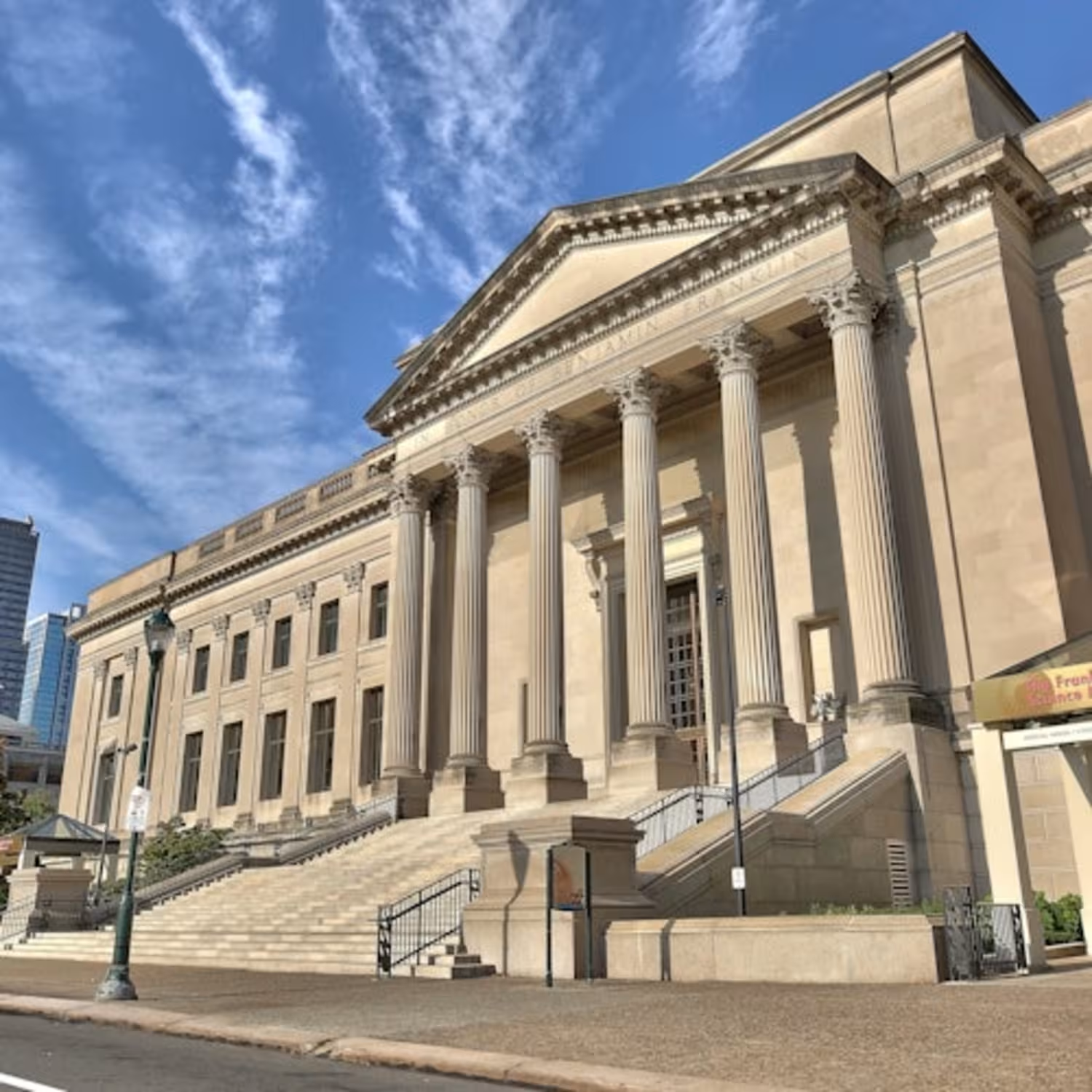
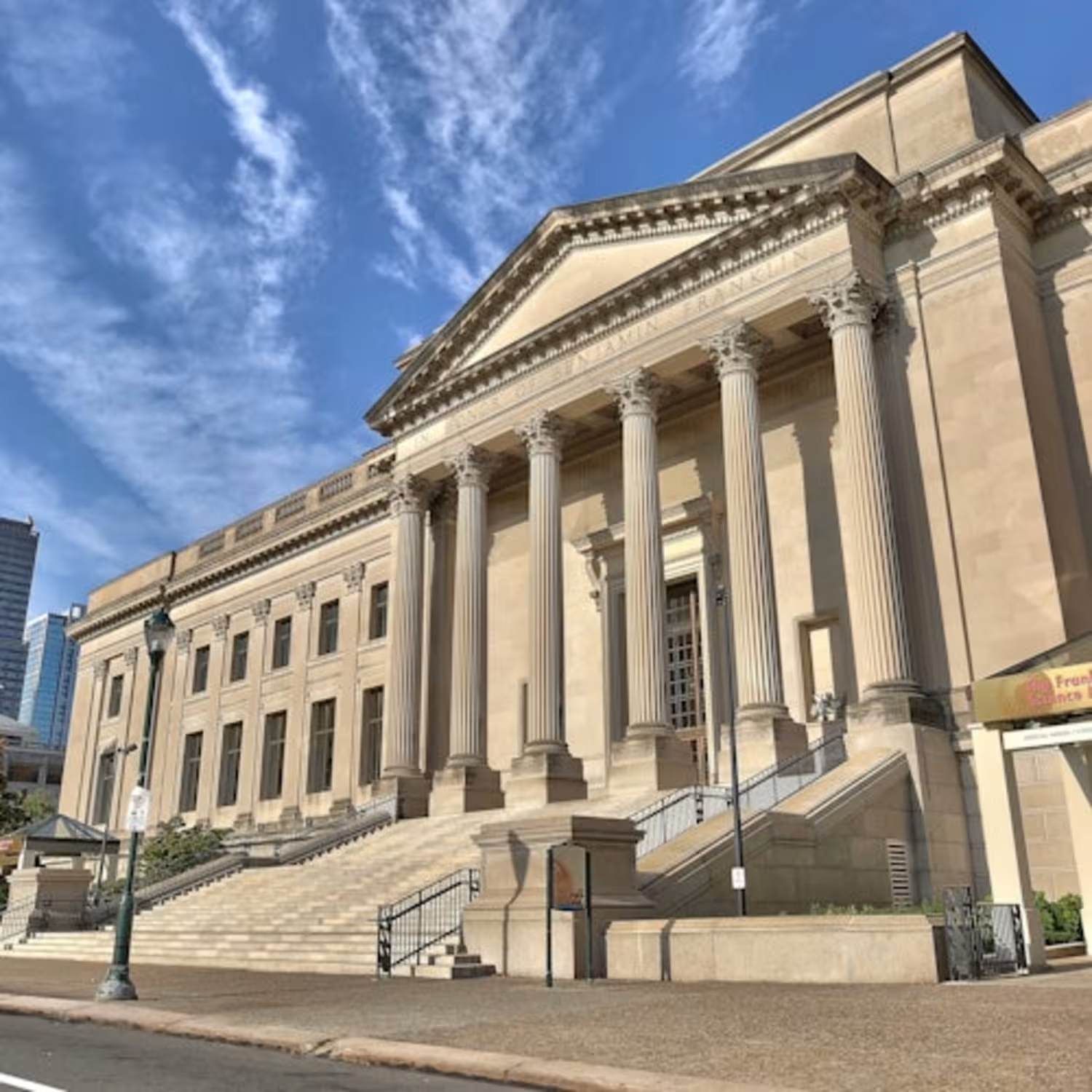
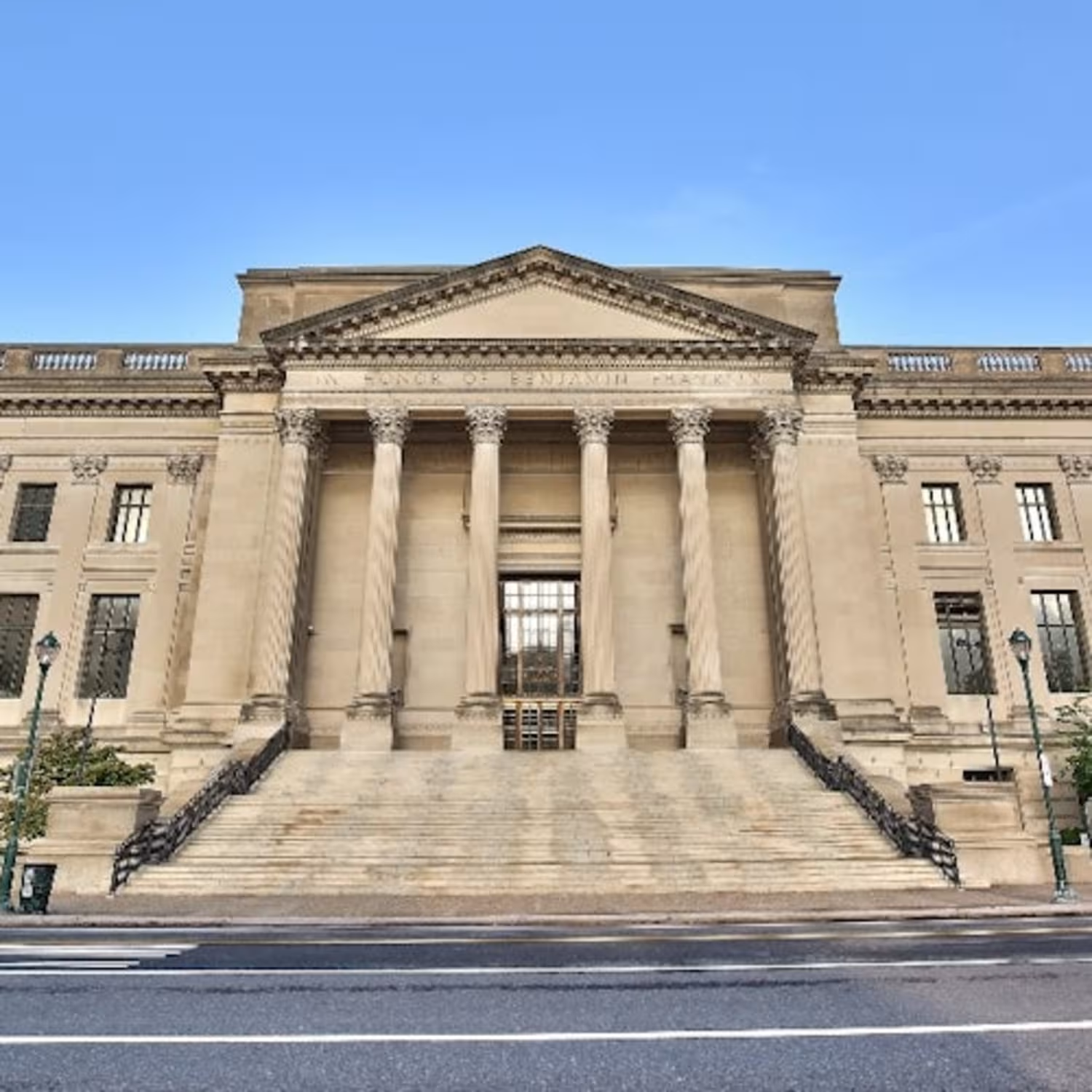
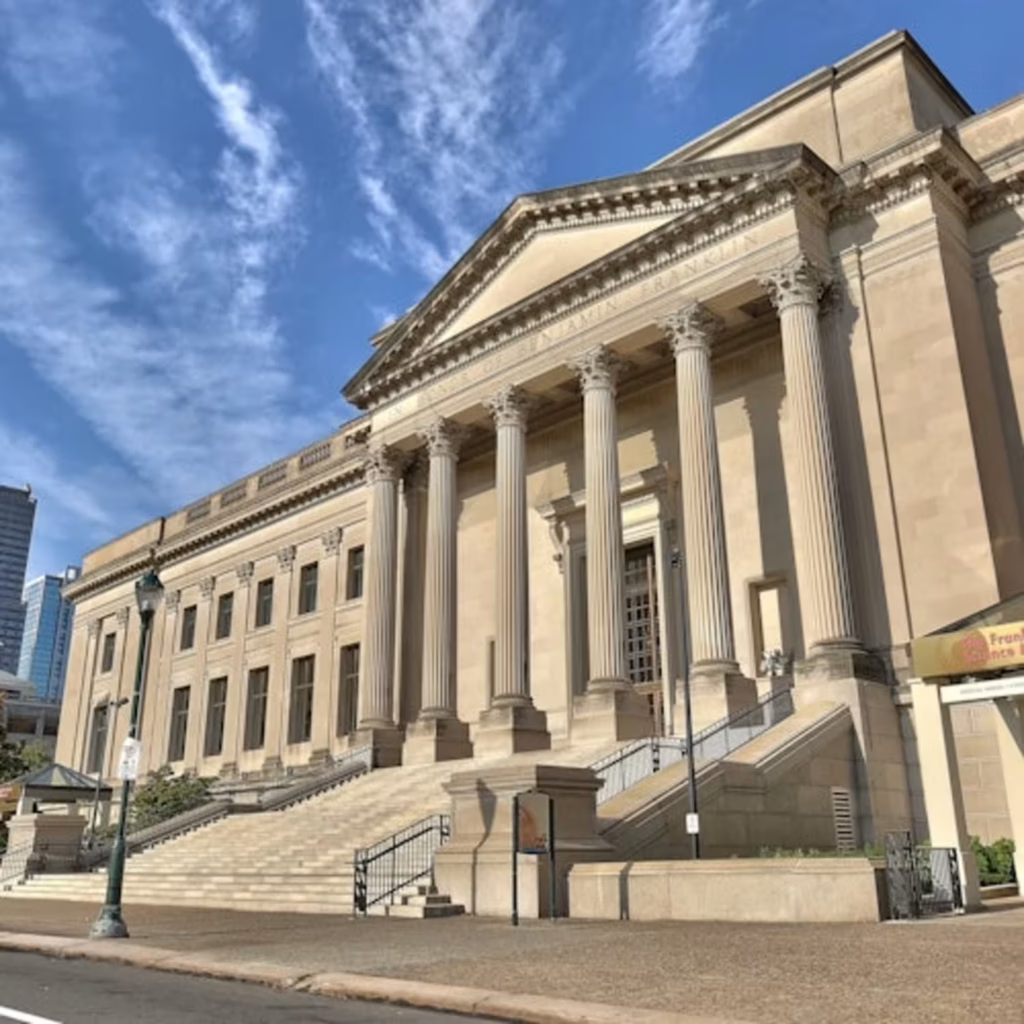
The Franklin Institute building in Philadelphia

The Franklin Institute Exhibits: What to See

From the climb-through Giant Heart to Wondrous Space, the Fels Planetarium and the Baldwin 60000 locomotive: the exhibits worth your time and how to plan the day.

The Franklin Institute has been one of Philadelphia's science landmarks since it was founded on February 5, 1824. Its 200th anniversary brought the biggest change to the galleries in decades: Body Odyssey, built around the famous Giant Heart, and the Hamilton Collections Gallery, home of the Baldwin 60000 locomotive, both opened on November 23, 2024, a year after the two-story Wondrous Space. This guide walks you through the exhibits that matter most, from the Neural Climb in Your Brain to the Benjamin Franklin National Memorial and the Fels Planetarium, so you can decide where to spend your time. For tickets, transport and the rest of your visit, see our Franklin Institute visitor guide.

4.5
(40)

The Franklin Institute: Entry Ticket

Highlights

Experience interactive science displays that bring technology to life.

Attend daily live science presentations that illustrate key scientific concepts.

Explore the renowned Fels Planetarium and enjoy captivating space shows.

Learn about astronomy, human biology, and more in diverse exhibition areas.

Suitable for visitors of all ages eager to learn and have fun.
The Franklin Institute exhibits: key facts

The Franklin Institute was founded on February 5, 1824 and celebrated its 200th anniversary in 2024.

The Giant Heart debuted in 1954 as "The Engine of Life" and is about 15,000 times larger than a real human heart.

Body Odyssey, the 8,500-square-foot exhibit around the Giant Heart, opened on November 23, 2024.

The Baldwin 60000 locomotive weighs 350 tons and has been in the collection since 1933.

Wondrous Space opened on November 4, 2023 across two floors and 7,500 square feet.

The Fels Planetarium was the second planetarium built in the United States, after the Adler Planetarium in Chicago.

Body Odyssey and the Giant Heart

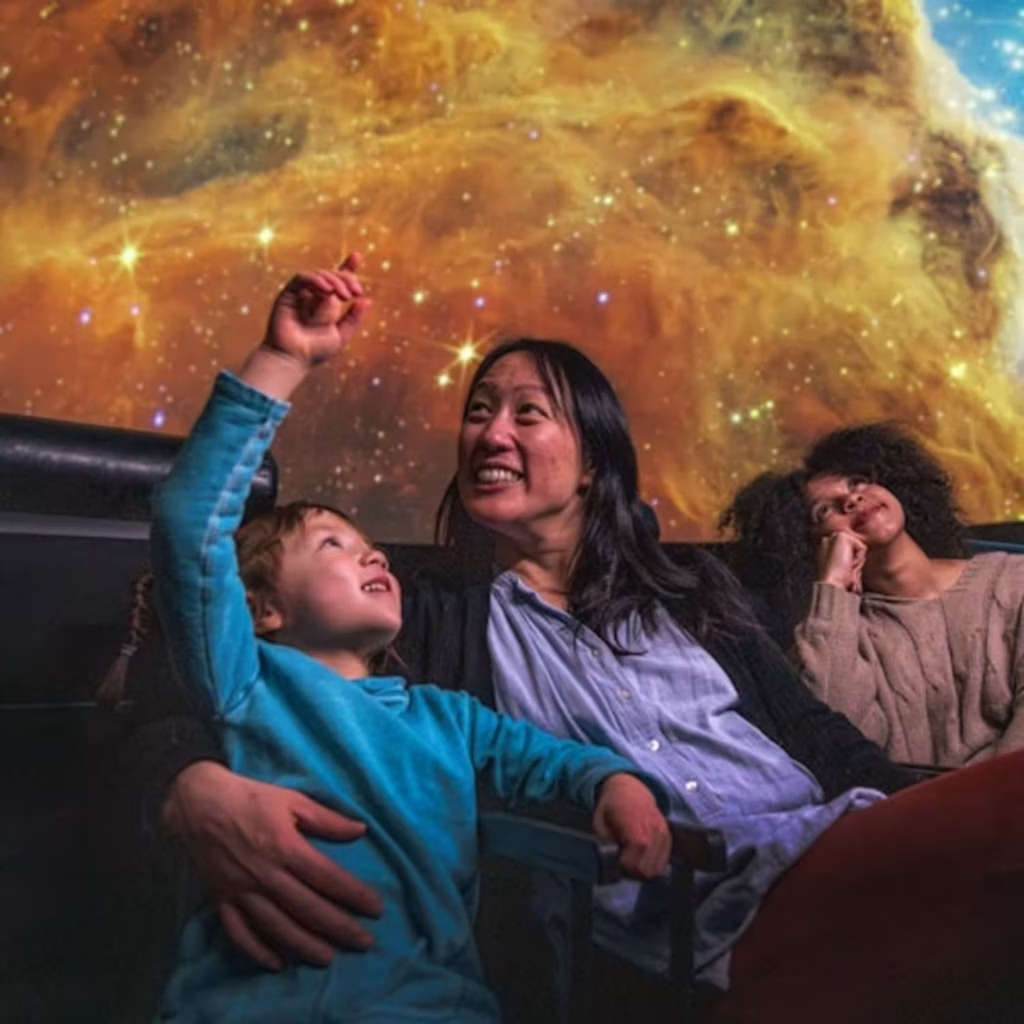
Family exploring a hands-on exhibit at The Franklin Institute

The Giant Heart is the exhibit generations of Philadelphians remember. It first opened in 1954 as "The Engine of Life", a papier-mâché sculpture of a human heart about 15,000 times life size, with tunnels and stairs you can climb through to see how blood moves through the heart. In its 70th year it became the centerpiece of a brand-new exhibit, Body Odyssey, which opened on November 23, 2024.

Body Odyssey covers 8,500 square feet and is organized into three areas: biological systems, biotech innovation and personal health. One of the newest displays lets you hear your own heartbeat translated into light and sound, and the hands-on stations explain how the body works and how technology is changing health care.

Wondrous Space and the Fels Planetarium
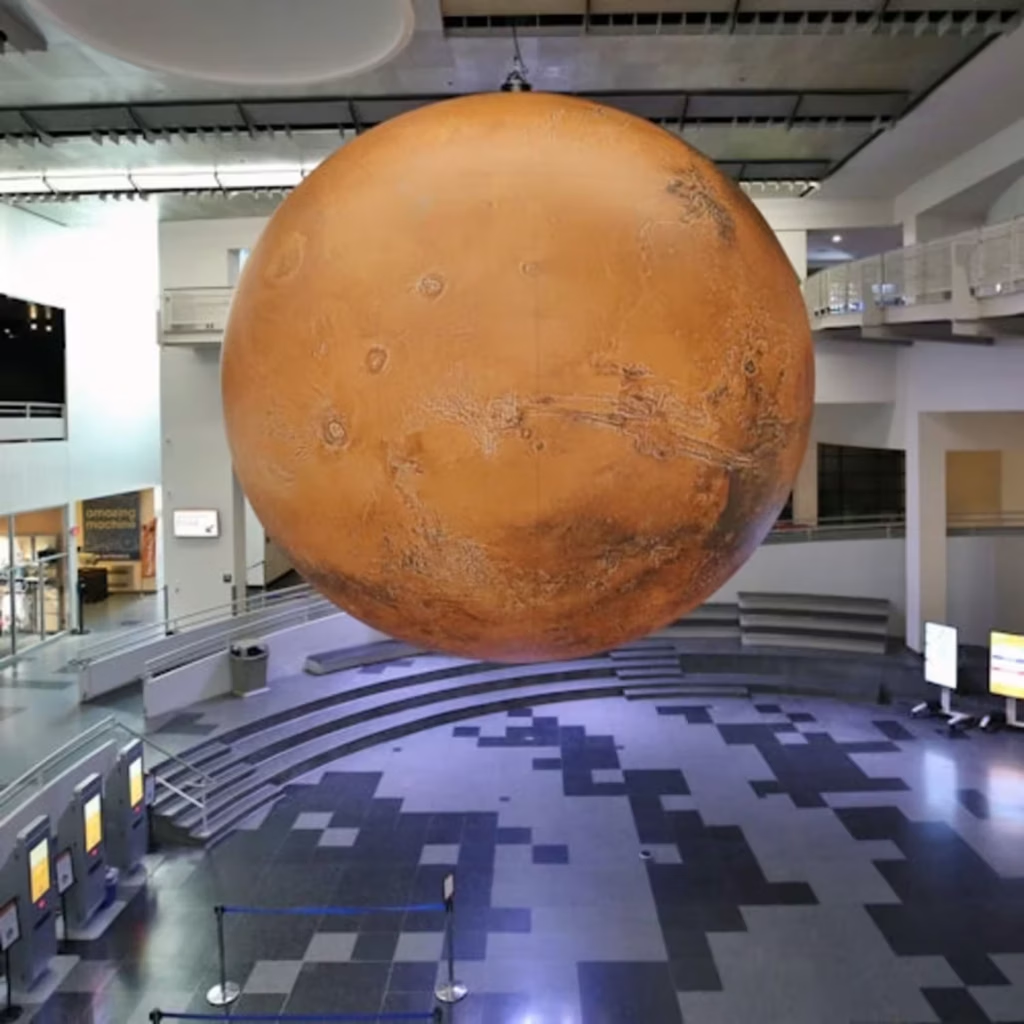
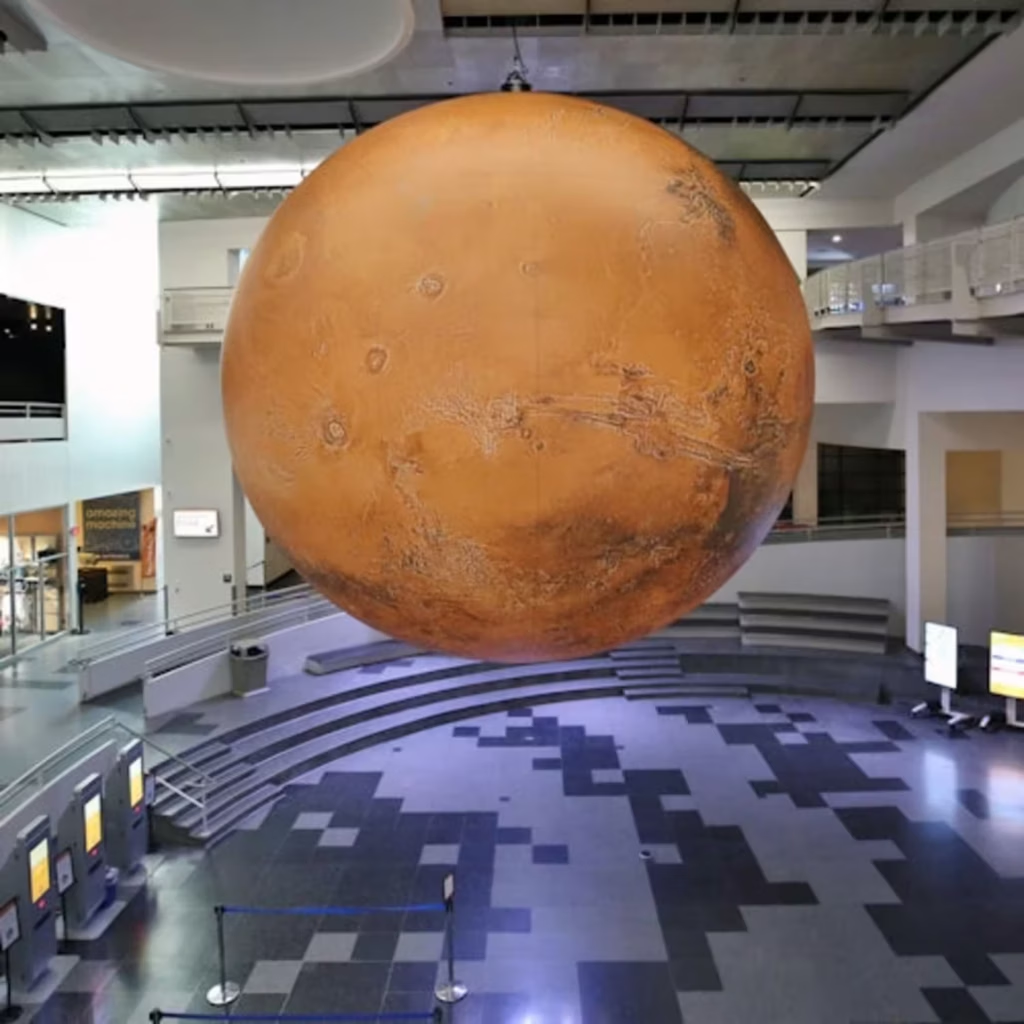
Large planet model inside The Franklin Institute

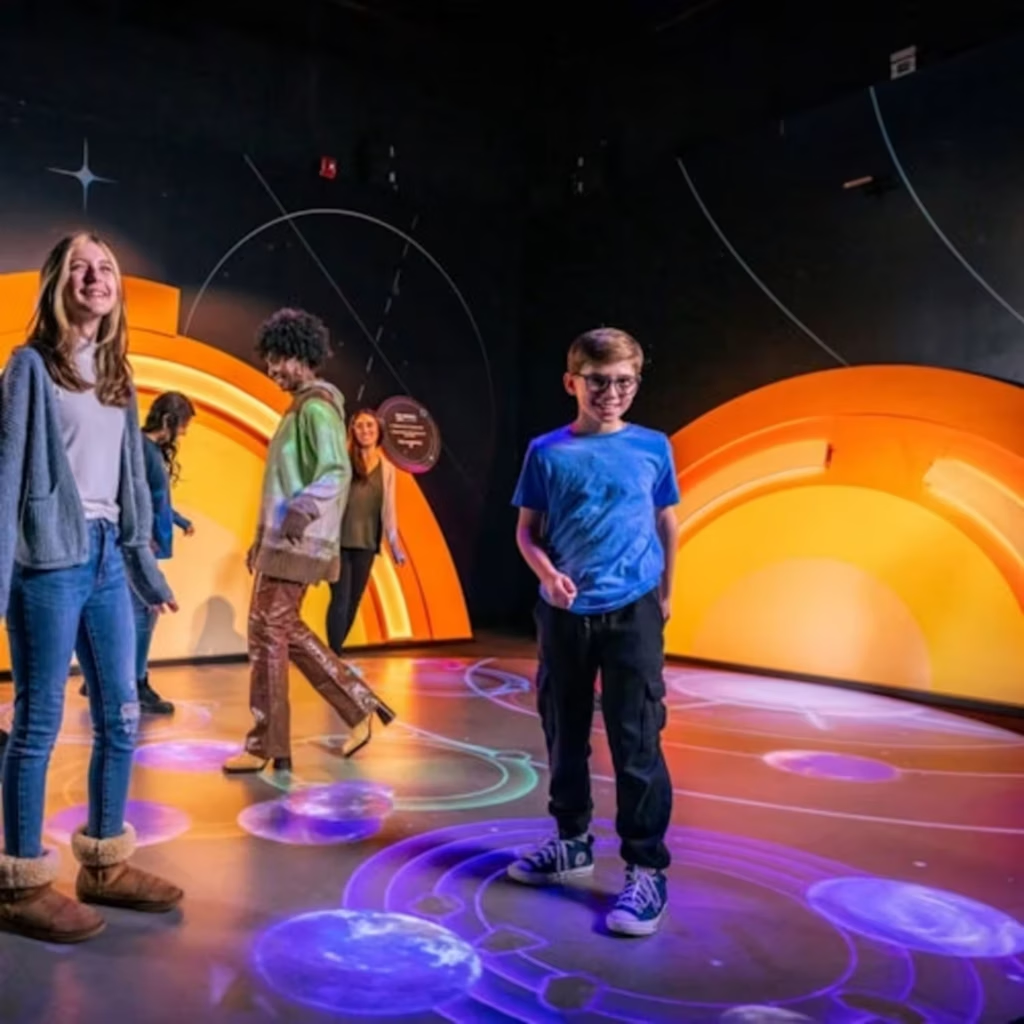
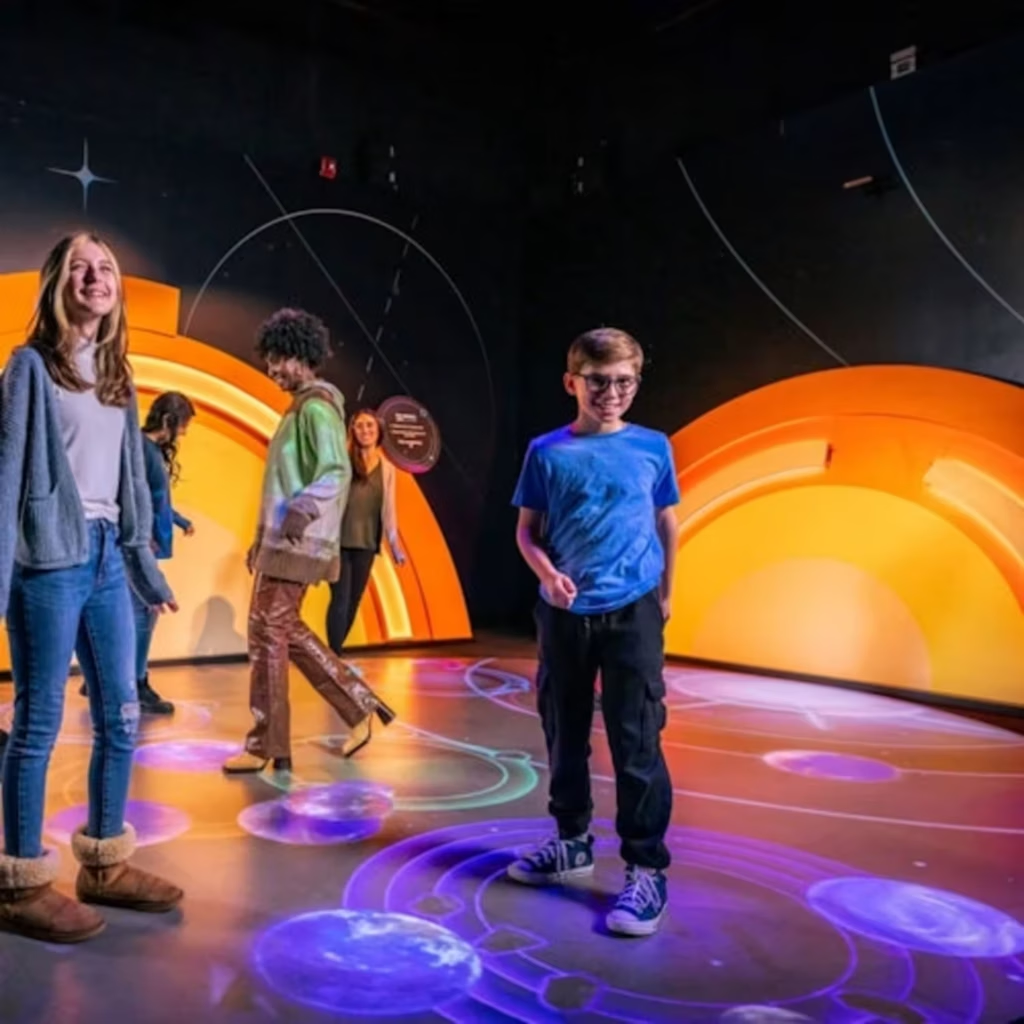
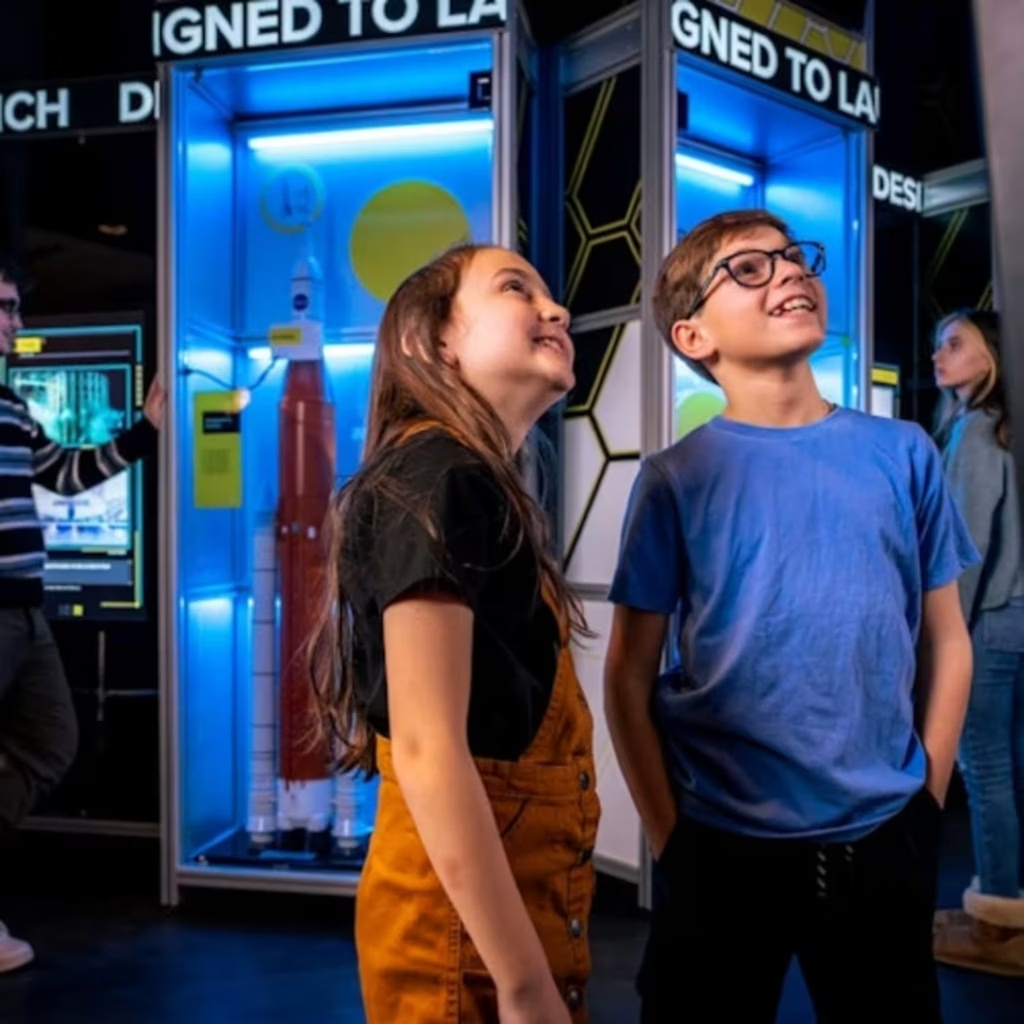
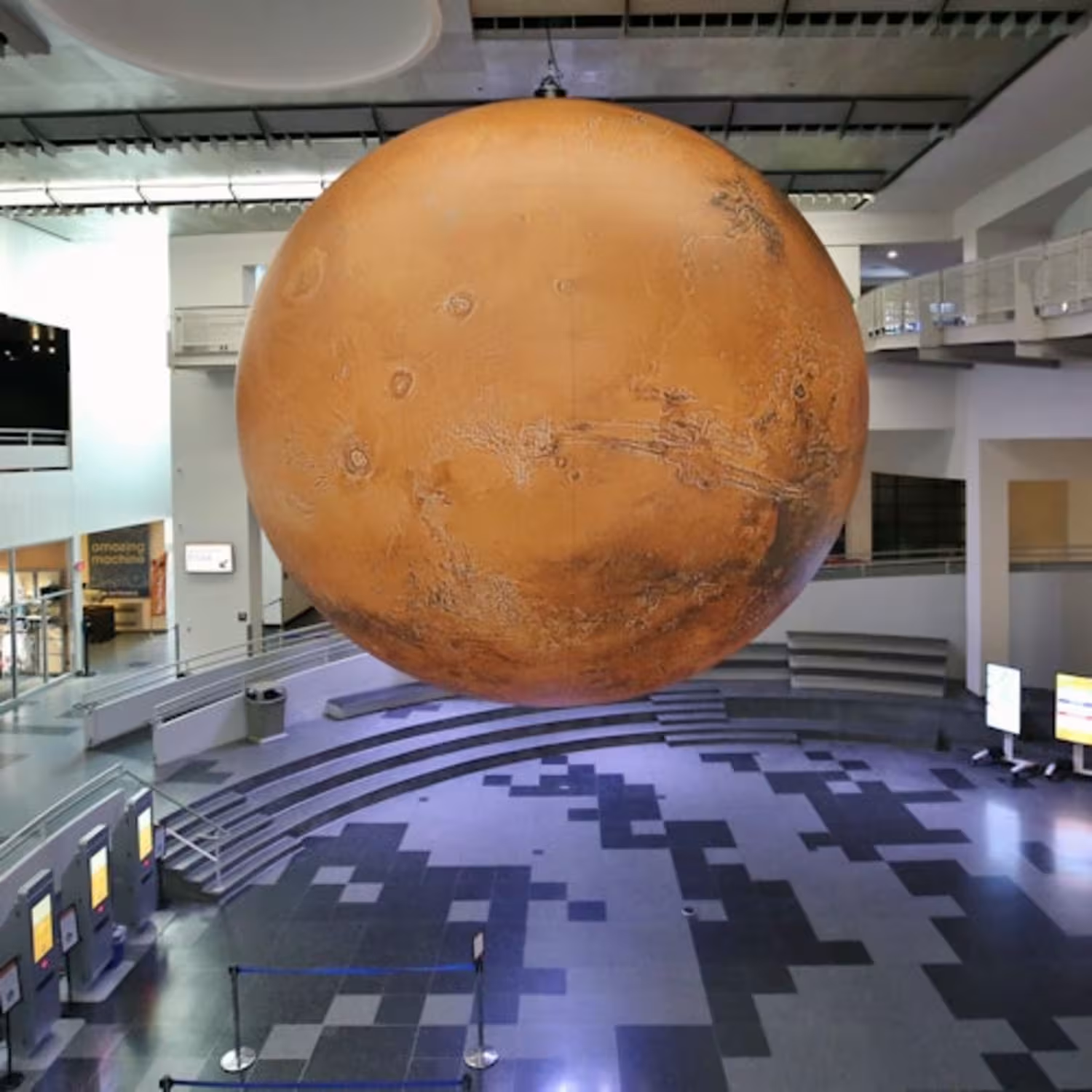
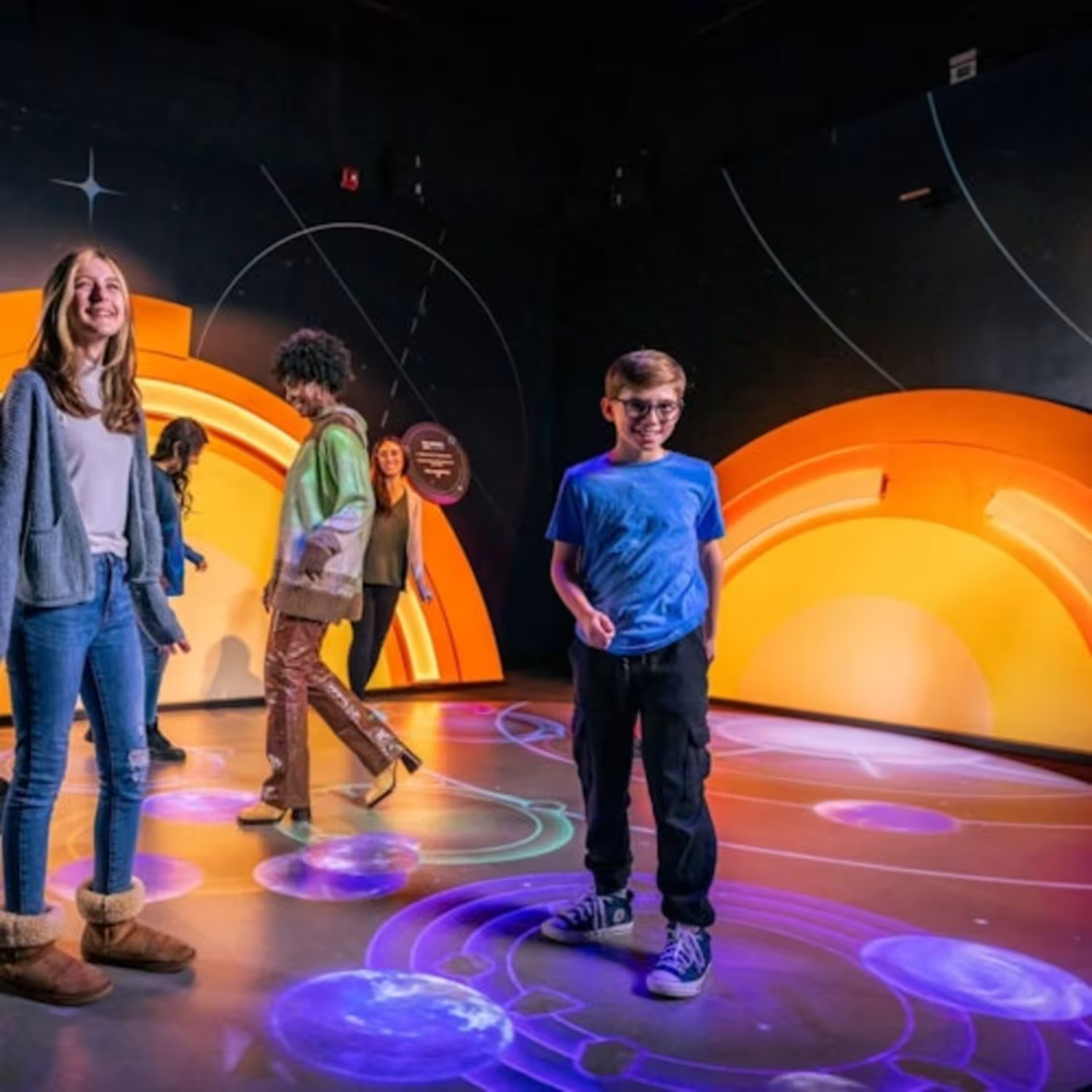
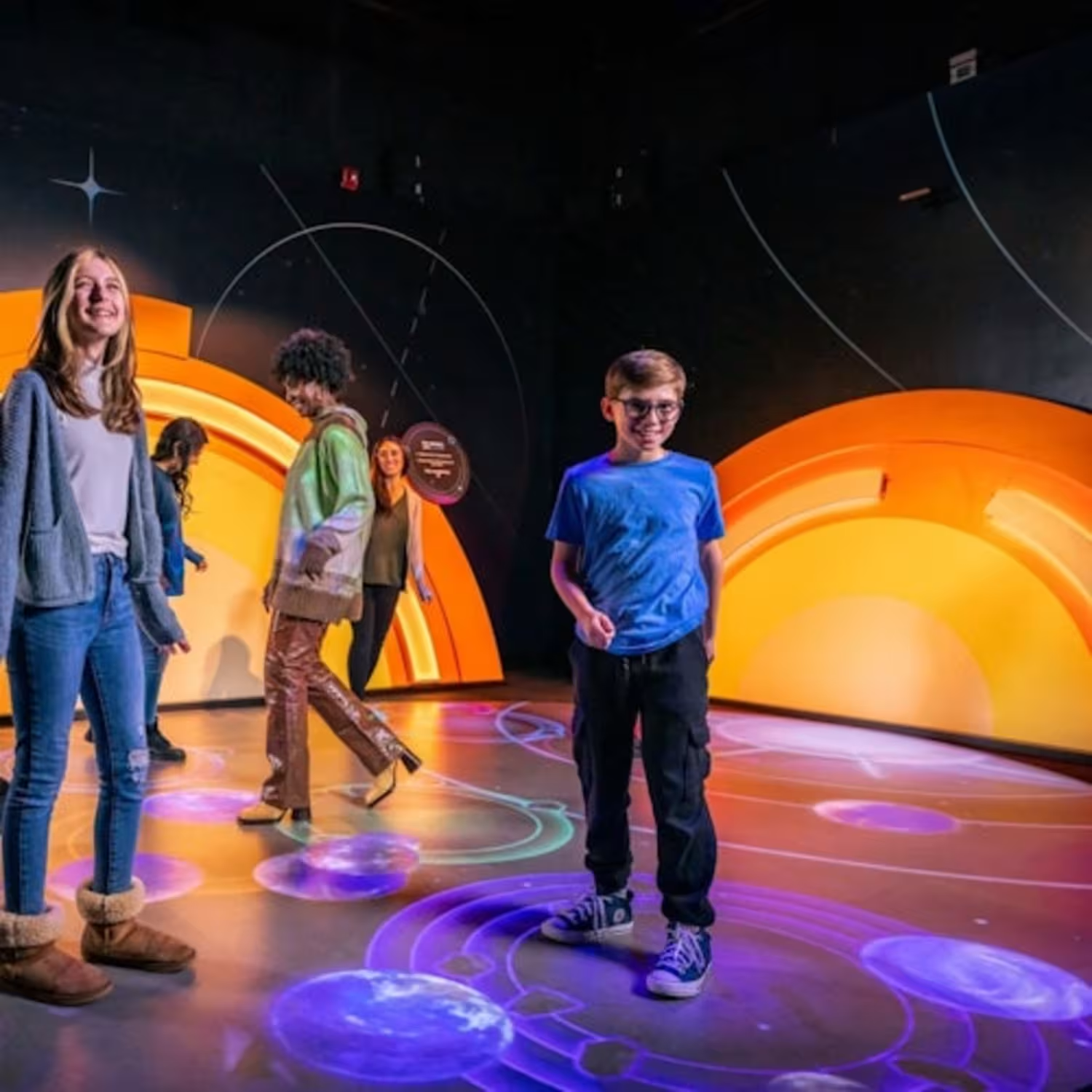
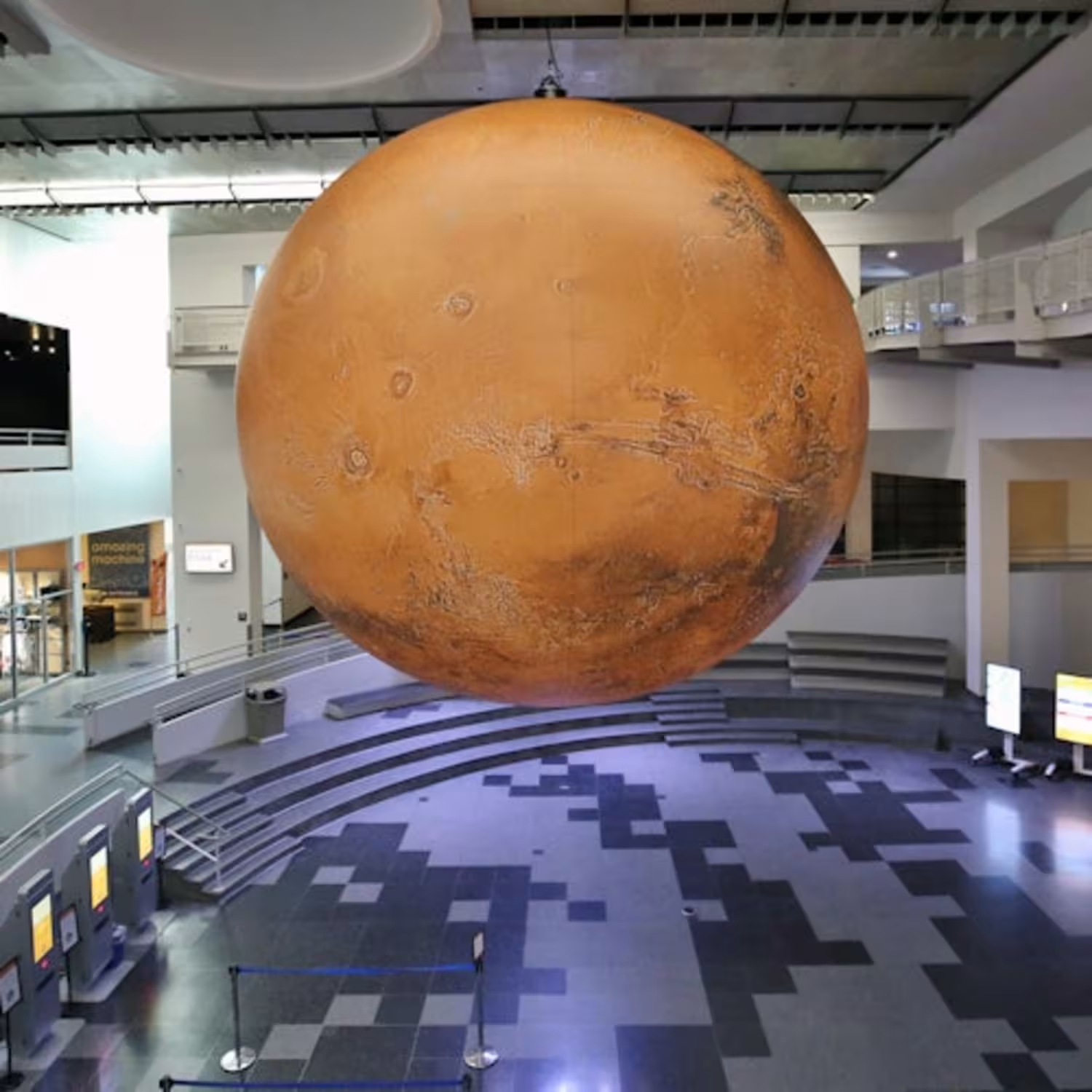
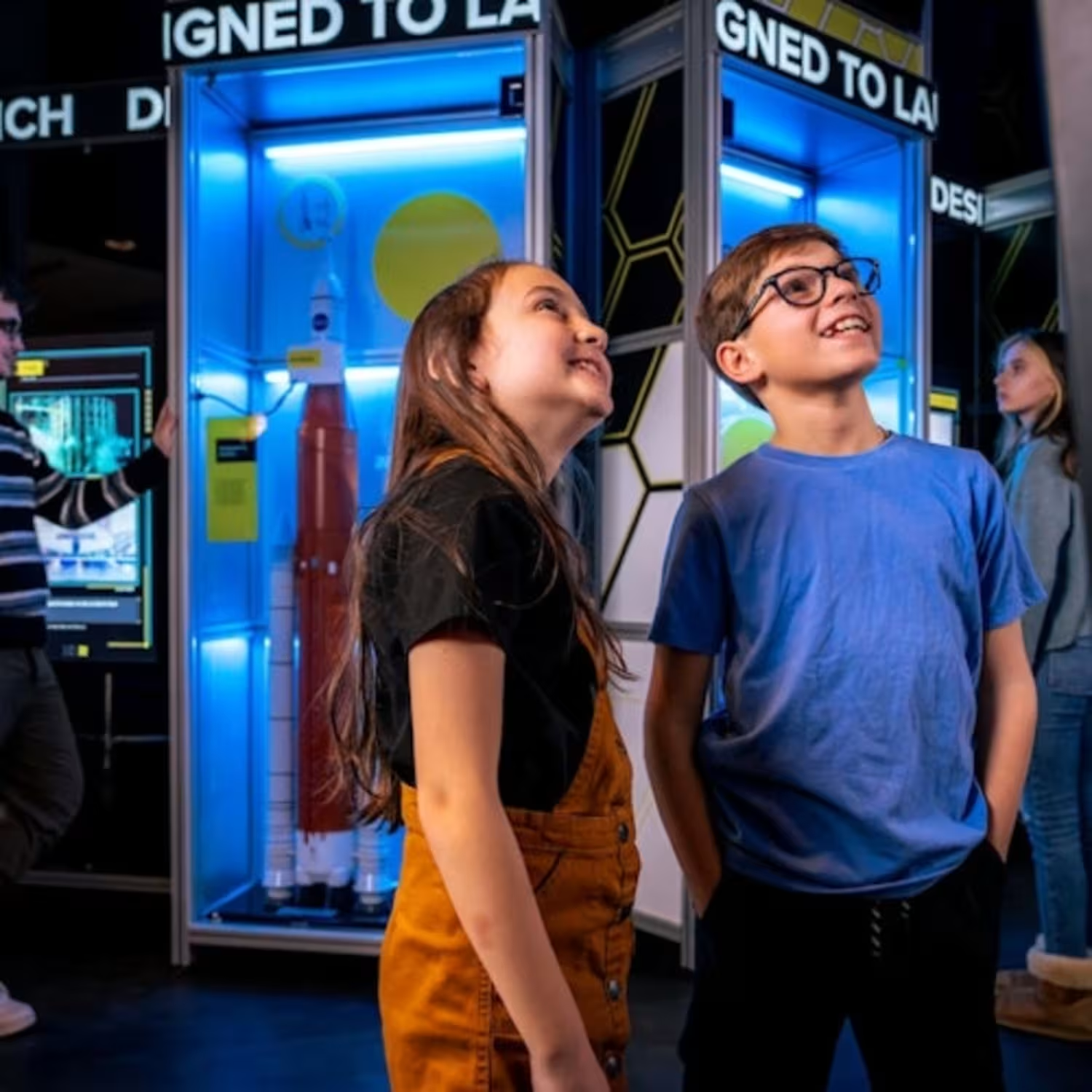
Wondrous Space opened on November 4, 2023 as the first of six new exhibits in the museum's long-term master plan. It covers 7,500 square feet on two floors and sits between the Fels Planetarium and the Holt and Miller Observatory. The first floor is built around immersive simulations, where you control forces of nature, travel across the universe and watch space phenomena; the upper floor looks at the future of life and work in space, new tools and technologies and careers in space exploration. In the Rover Design interactive you design and test your own exploration rover. At opening, the artifacts on loan included two rovers from Carnegie Mellon University and a 10-foot rocket engine from the Kennedy Space Center Visitor Complex.

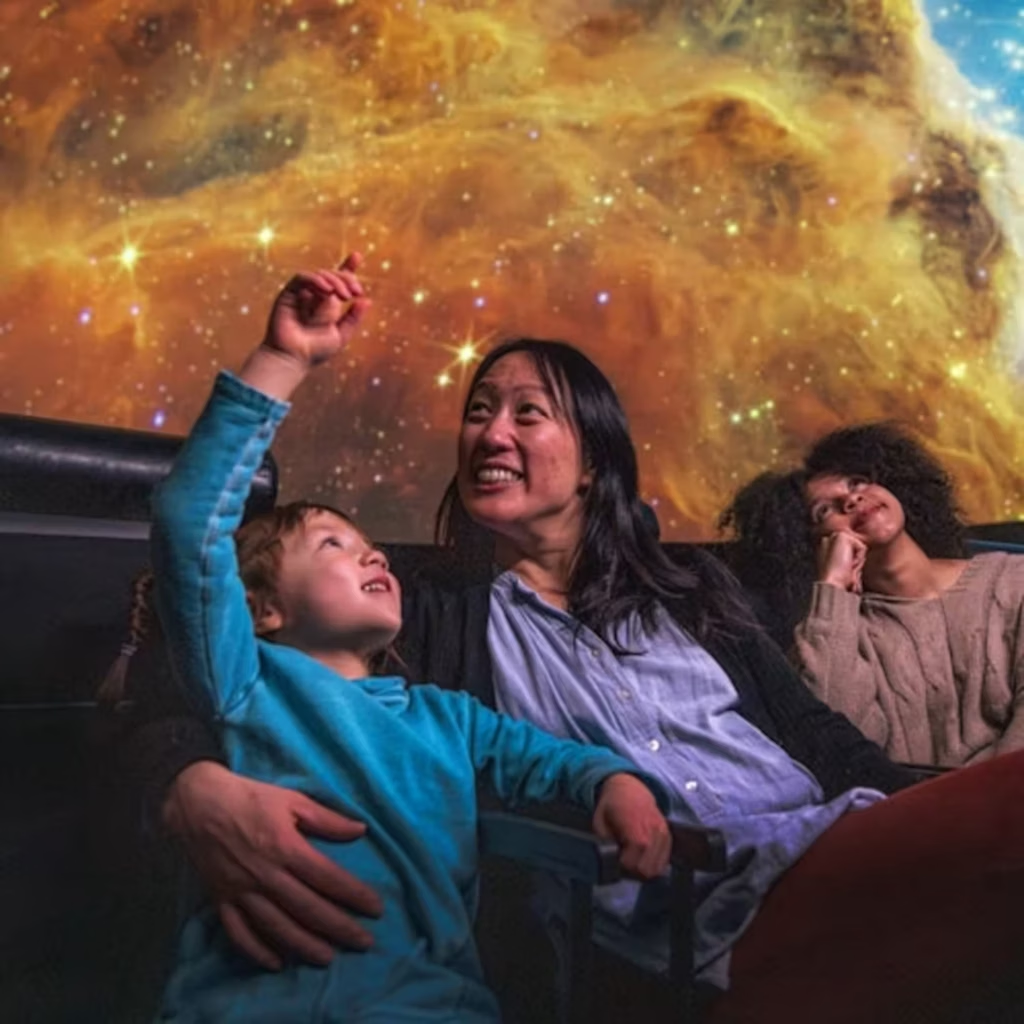
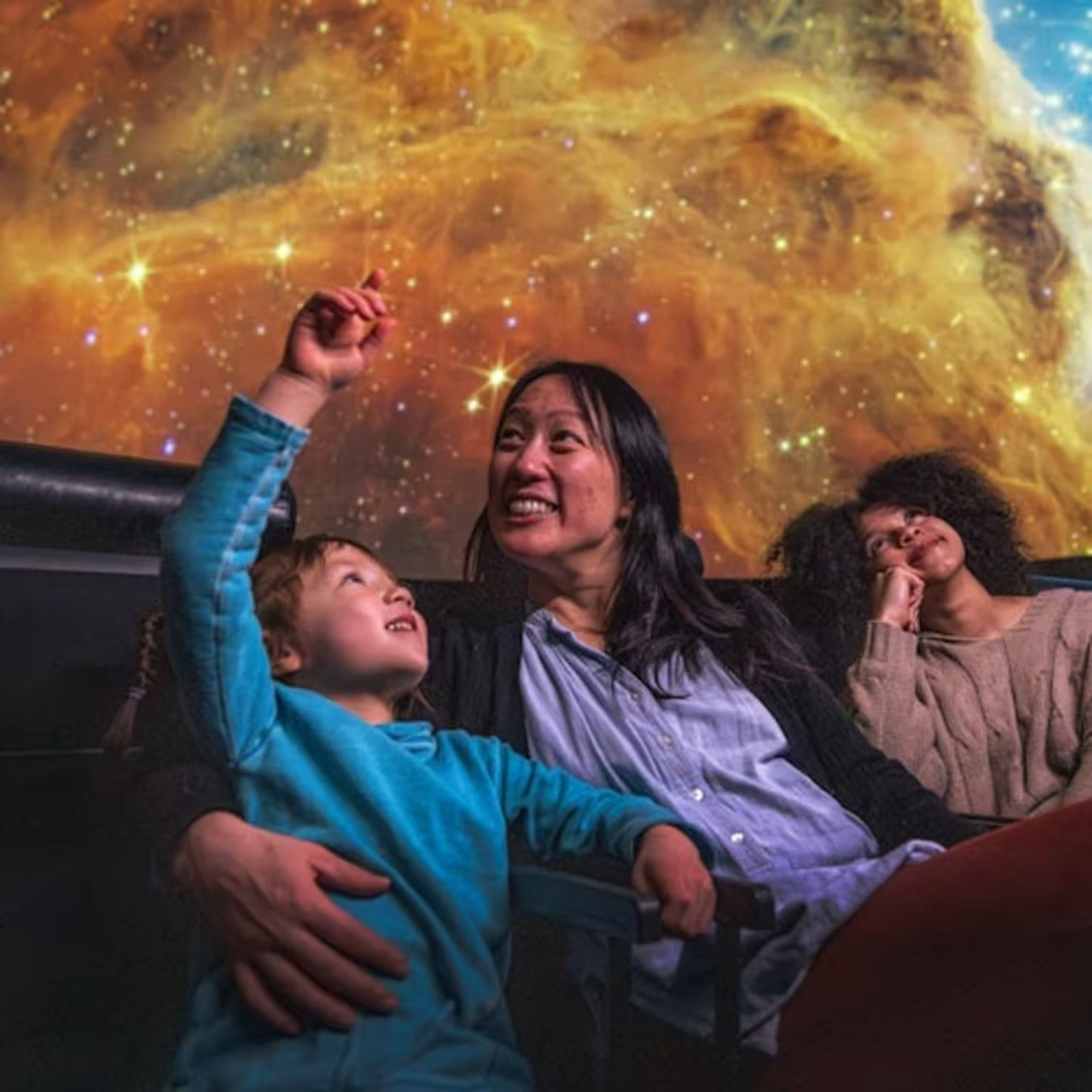
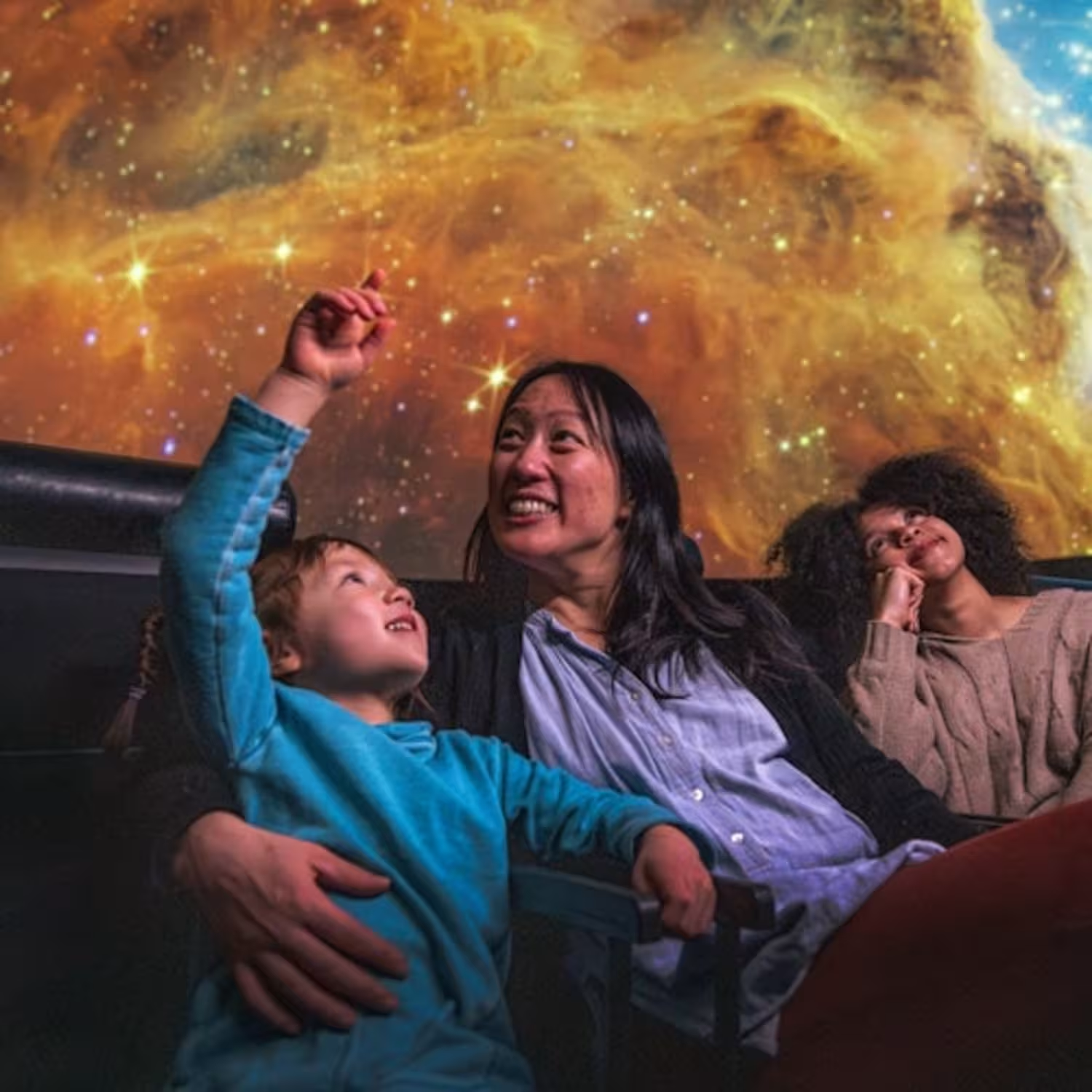
Next door, the Fels Planetarium dates from 1933, when it became the second planetarium built in the country. It was completely rebuilt in 2002 with a 60-foot dome, and today it presents astronomy shows under the stars. The Holt and Miller Observatory houses a 10-inch Carl Zeiss refracting telescope, one of the largest historical objects in the collection.

Your Brain and the Neural Climb

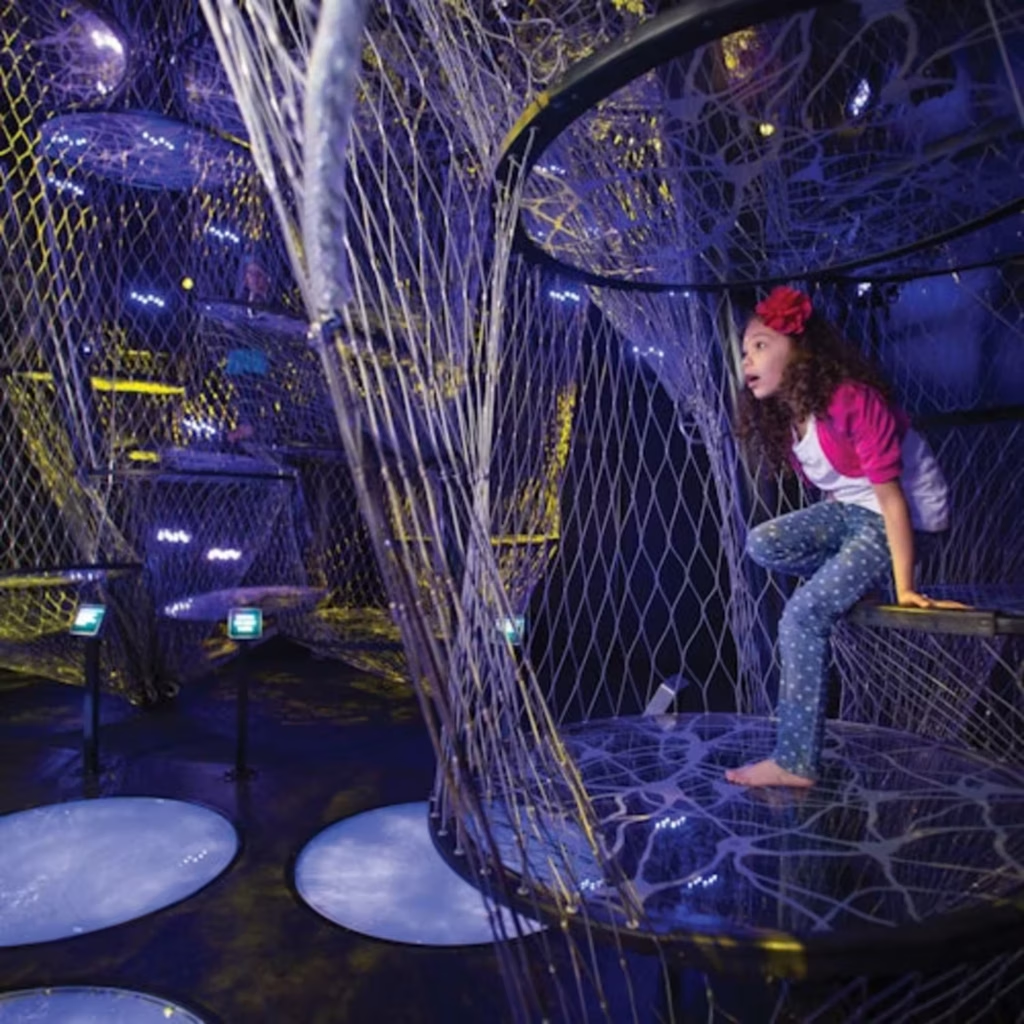
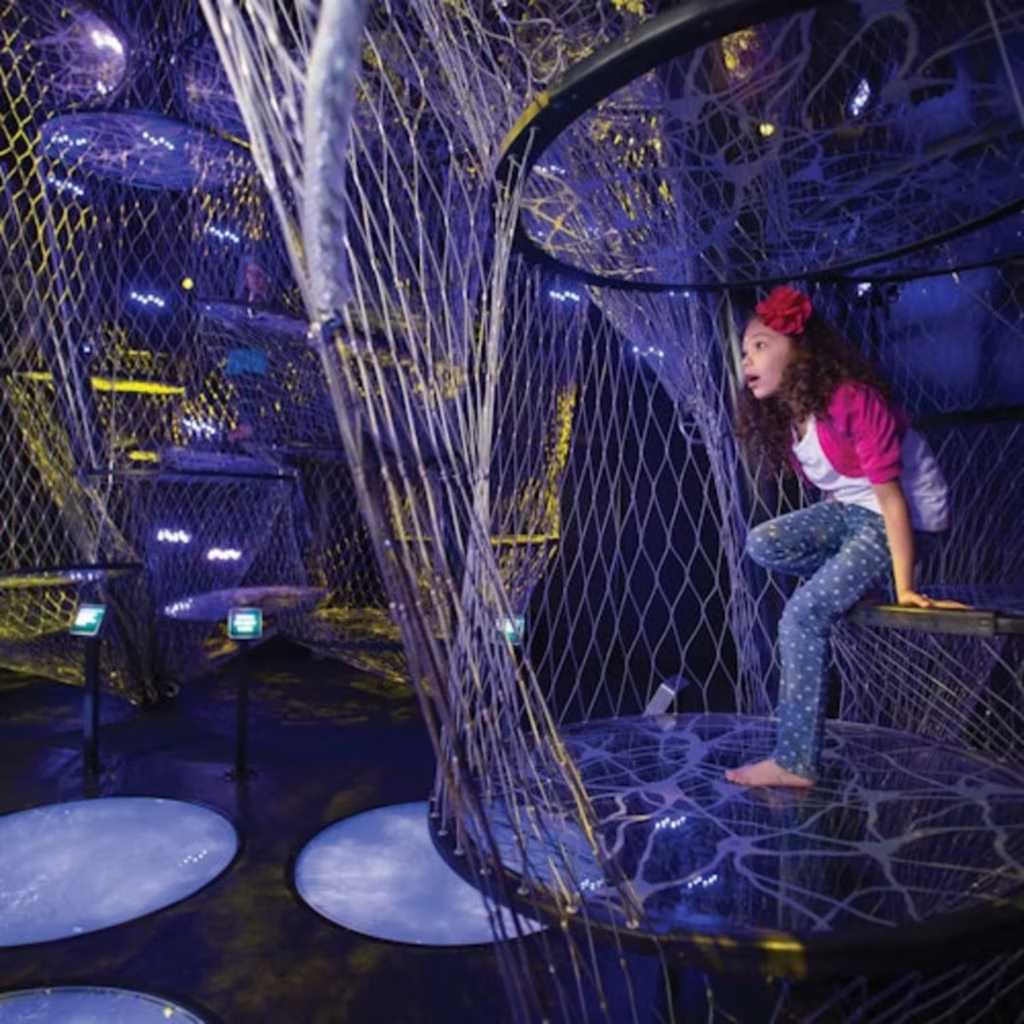
Child climbing through an exhibit at The Franklin Institute

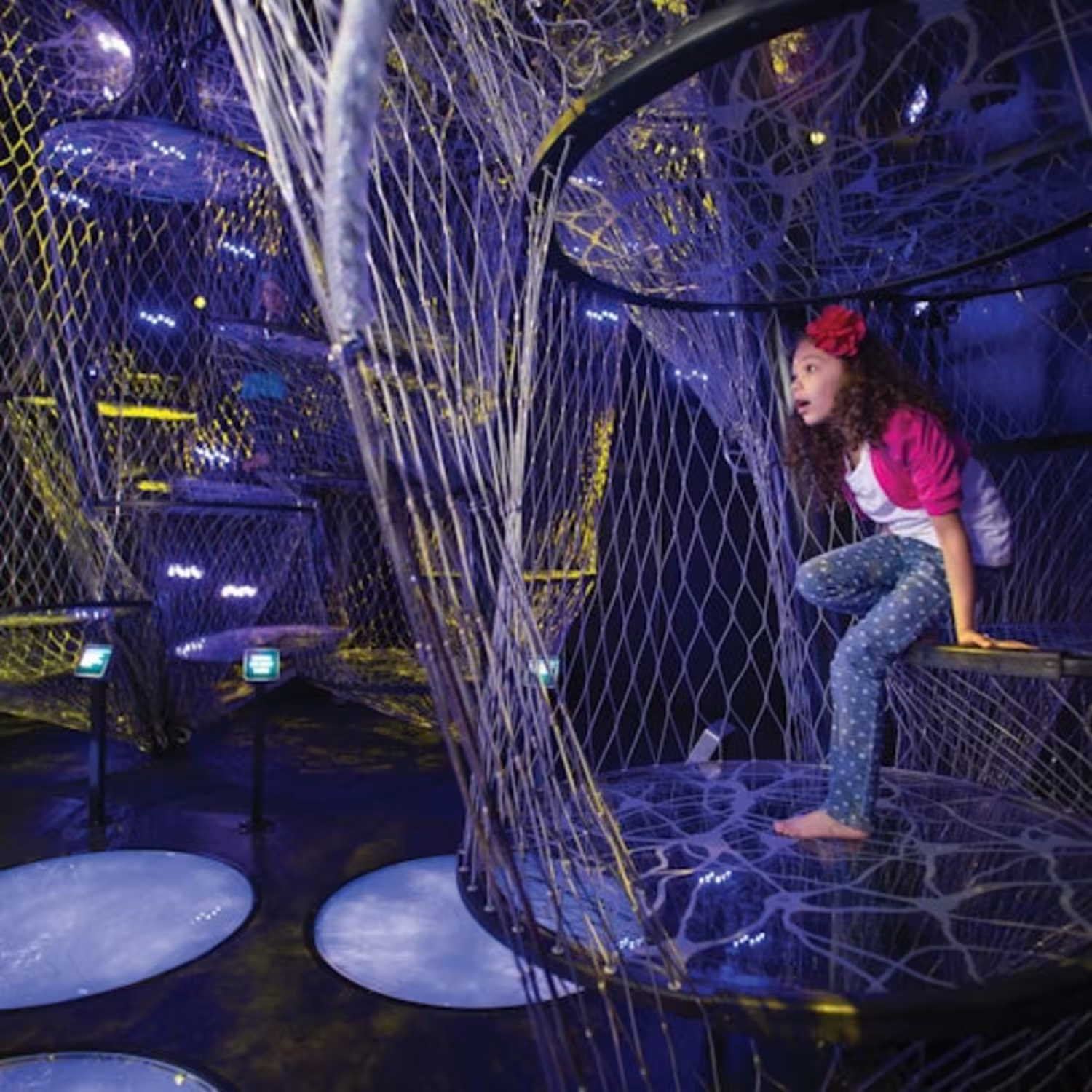
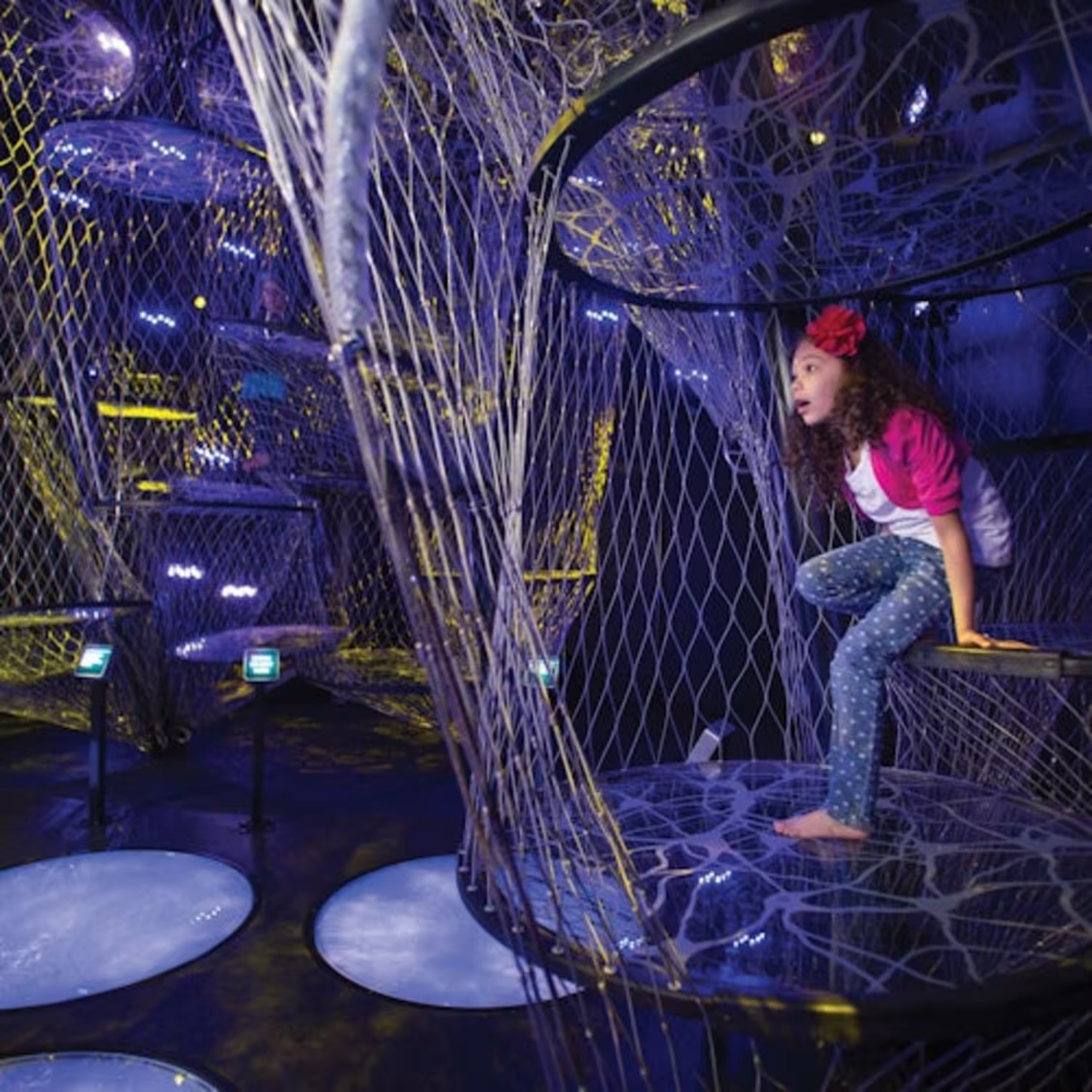
Your Brain fills the Frank Baldino, Jr. Gallery in the Nicholas and Athena Karabots Pavilion. Its centerpiece is the Neural Climb, an 18-foot climbing structure that takes you through a model of a neural network.

Around it, the exhibit explains how the brain interprets the world. A city street scene full of illusions shows how the brain resolves conflicting information, and the "Say That Again?" interactive demonstrates how we learn to understand distorted audio. Other hands-on displays show how neurons fire, how signals travel and how the brain builds an image step by step. Elsewhere, SportsZone looks at the science of the moving body, and Sir Isaac's Loft lets you experiment with falling objects, chain reactions and optical illusions.

The Benjamin Franklin National Memorial
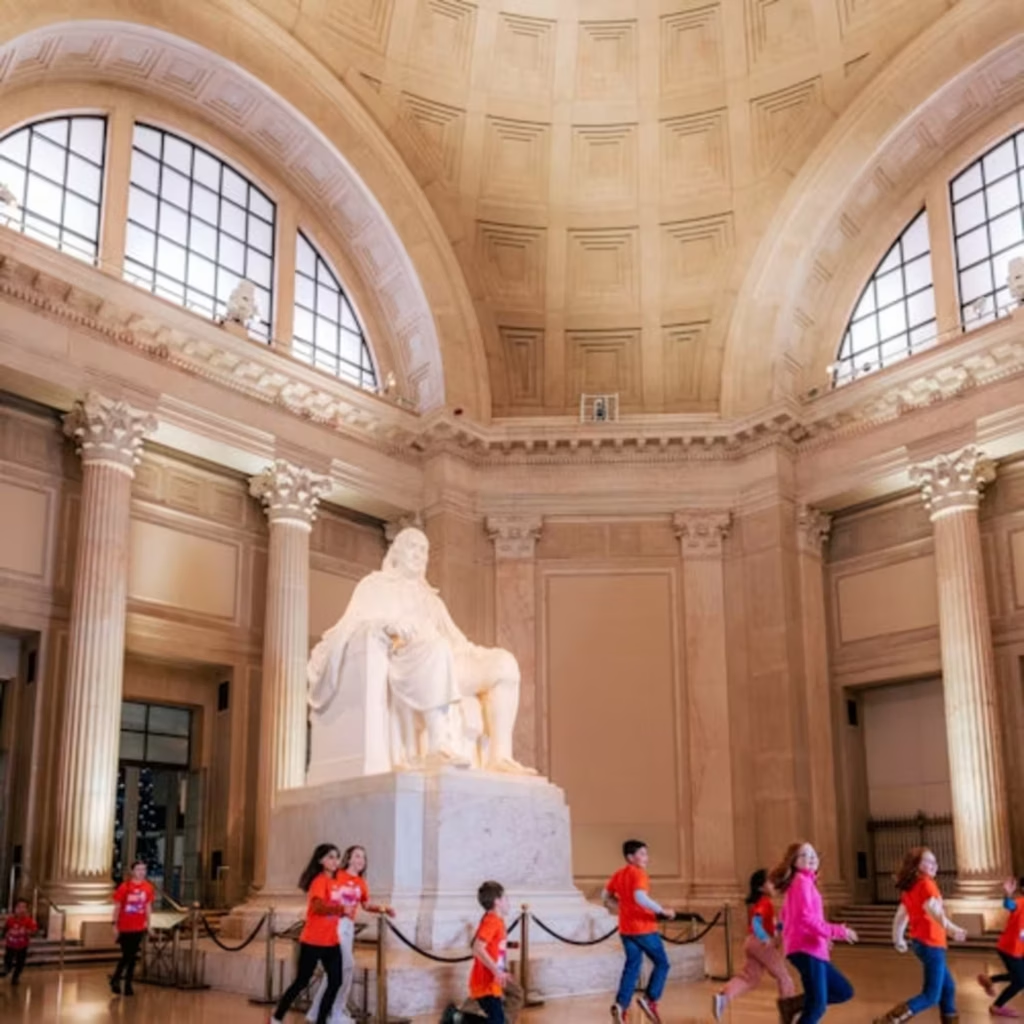
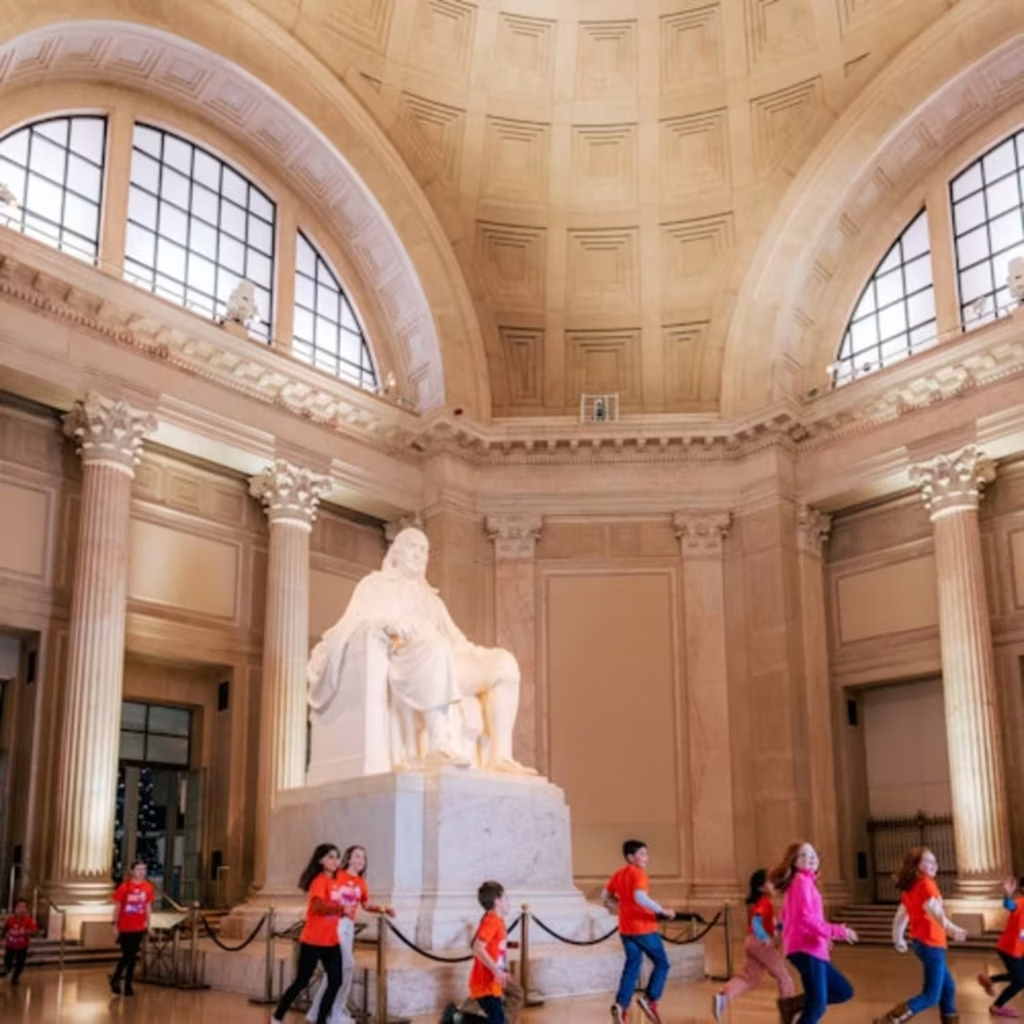
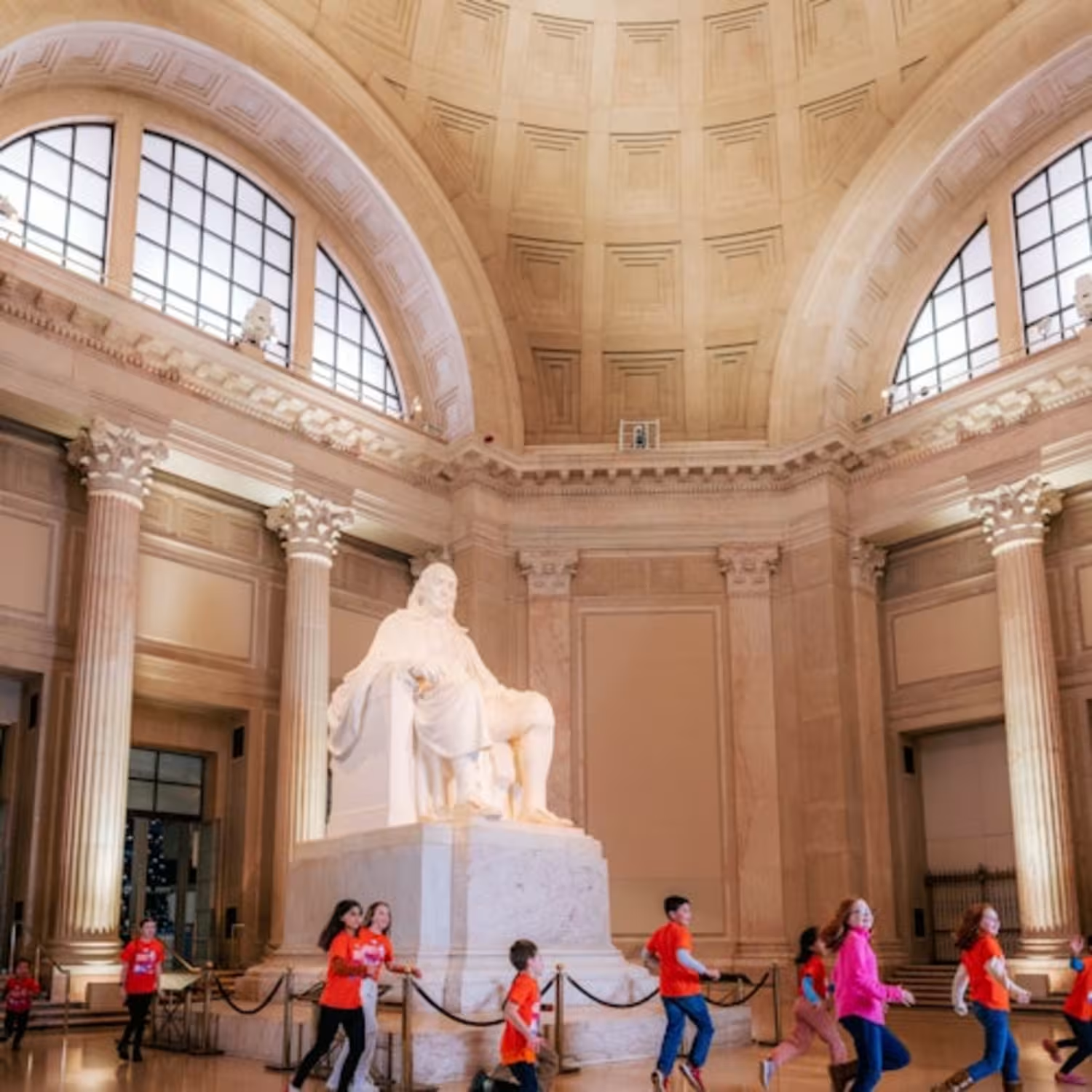
Benjamin Franklin statue in the memorial rotunda at The Franklin Institute

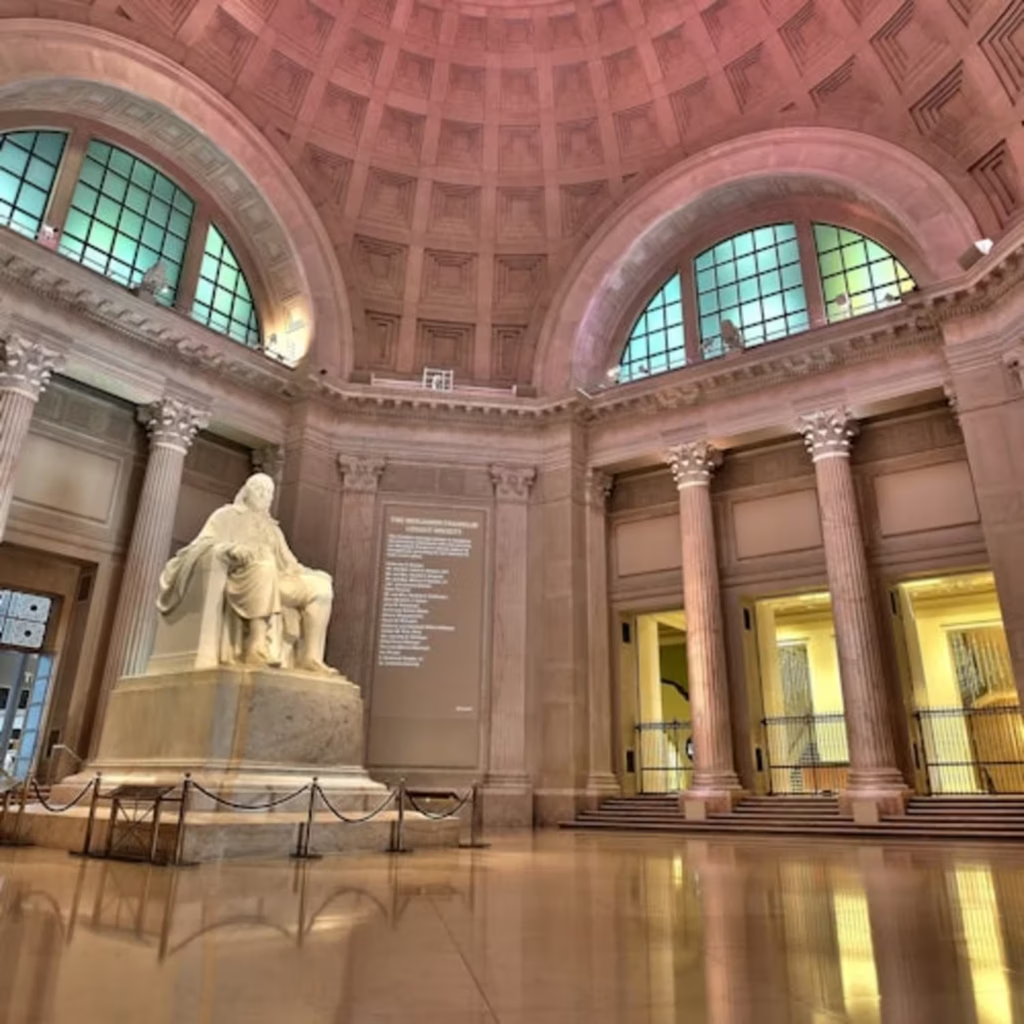
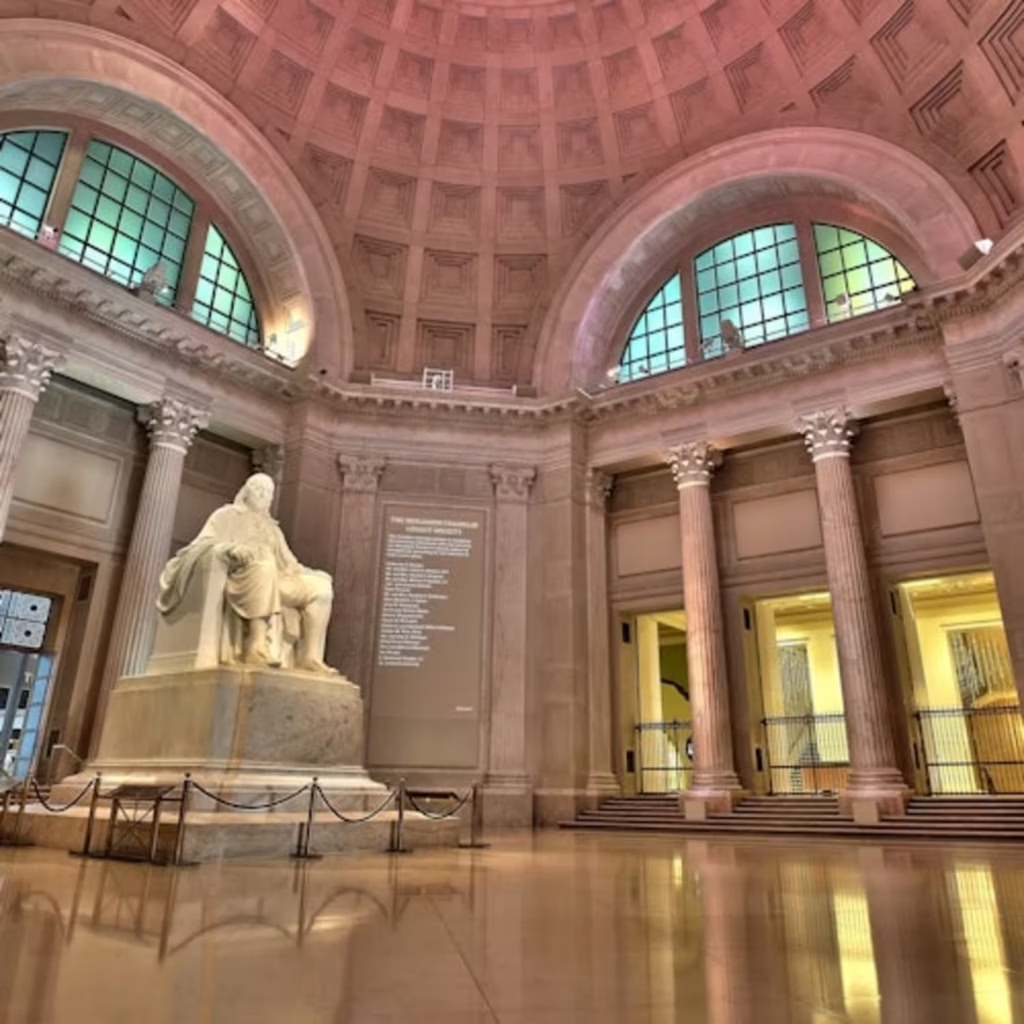
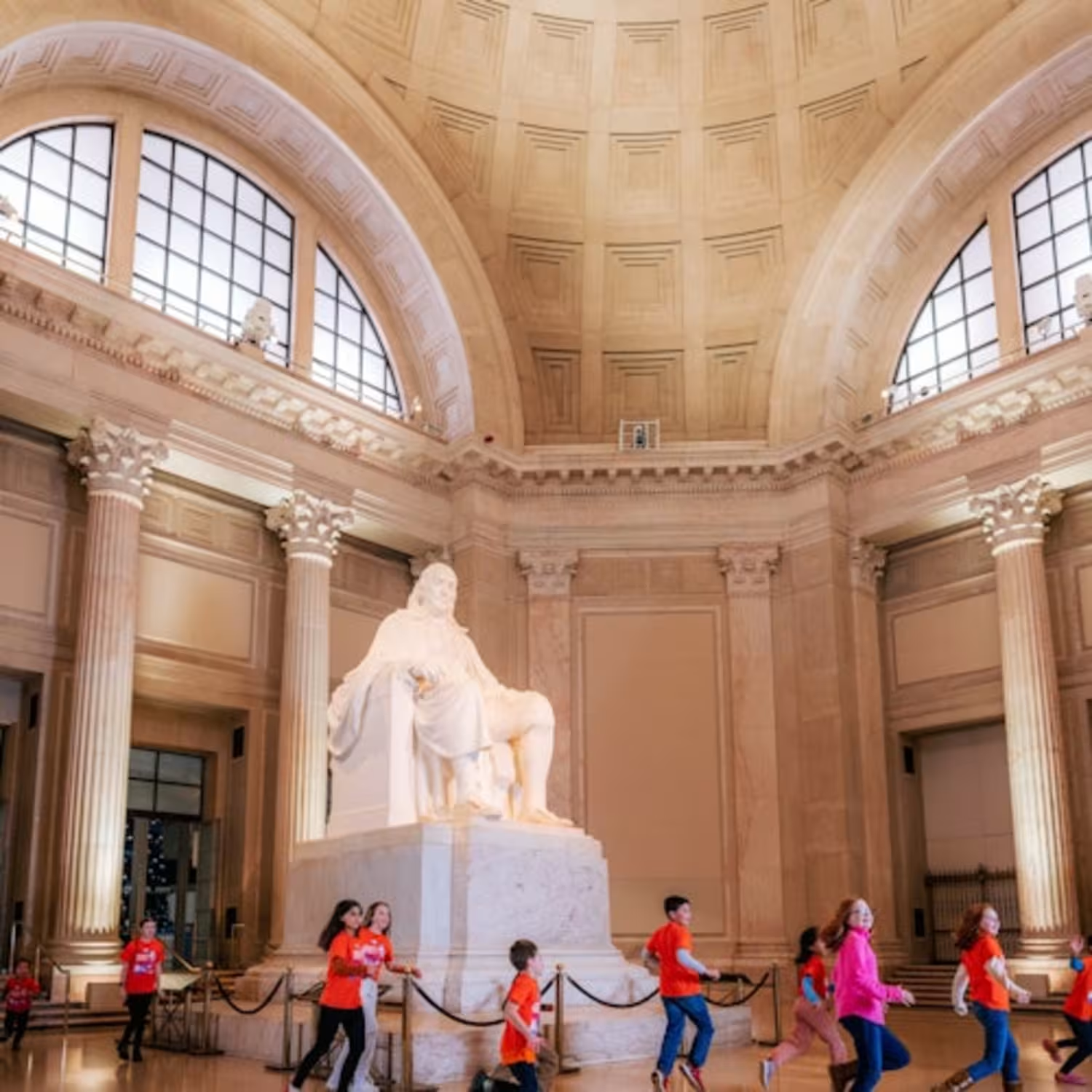
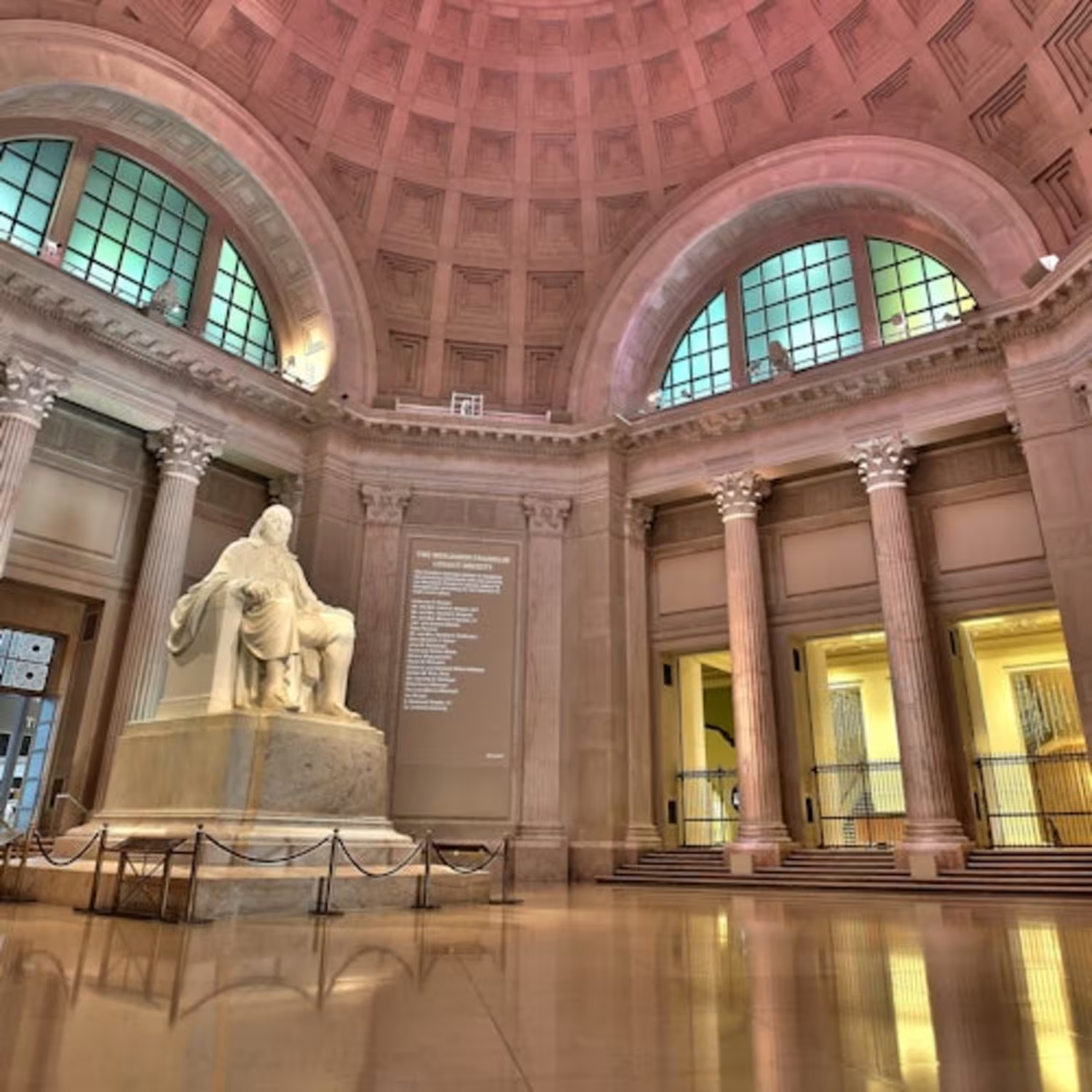
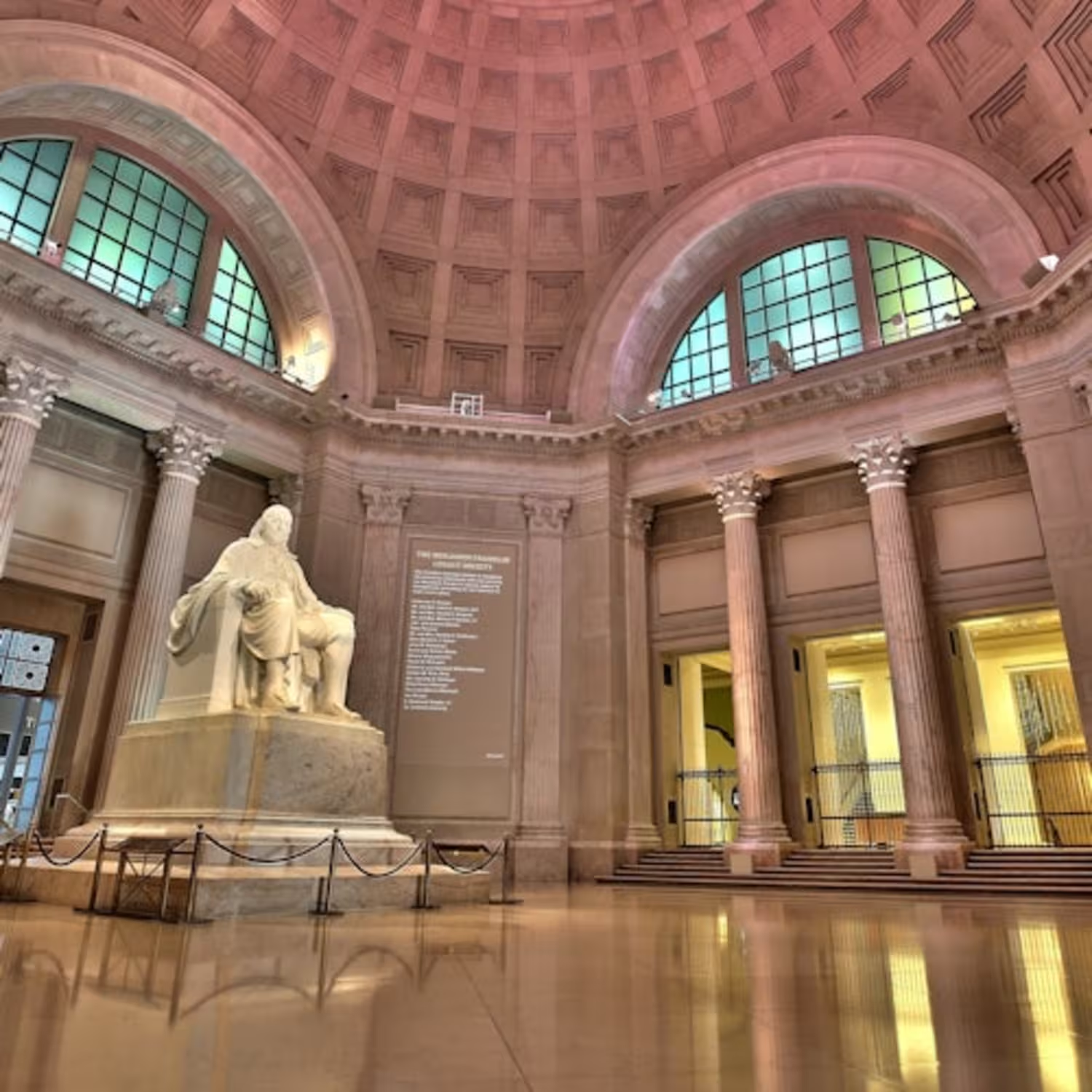
The museum is named for Benjamin Franklin, and its grand rotunda is home to the Benjamin Franklin National Memorial. At its heart is a 20-foot marble statue of Franklin by the sculptor James Earle Fraser. It is a quiet, impressive space and a natural place to start or end your visit.

Franklin's story continues in the Hamilton Collections Gallery, a two-story showcase of the museum's collections that opened on November 23, 2024. Its first exhibit, "200 Stories for 200 Years", brings together objects such as the Weigel Celestial Globe, Franklin's printing press and wax cylinder records. The gallery is built around the Baldwin 60000, a 350-ton steam locomotive donated by Samuel M. Vauclain in 1933, which now stands on a cutaway floor that shows its original steel and concrete bridge supports.

Live science and seasonal programs

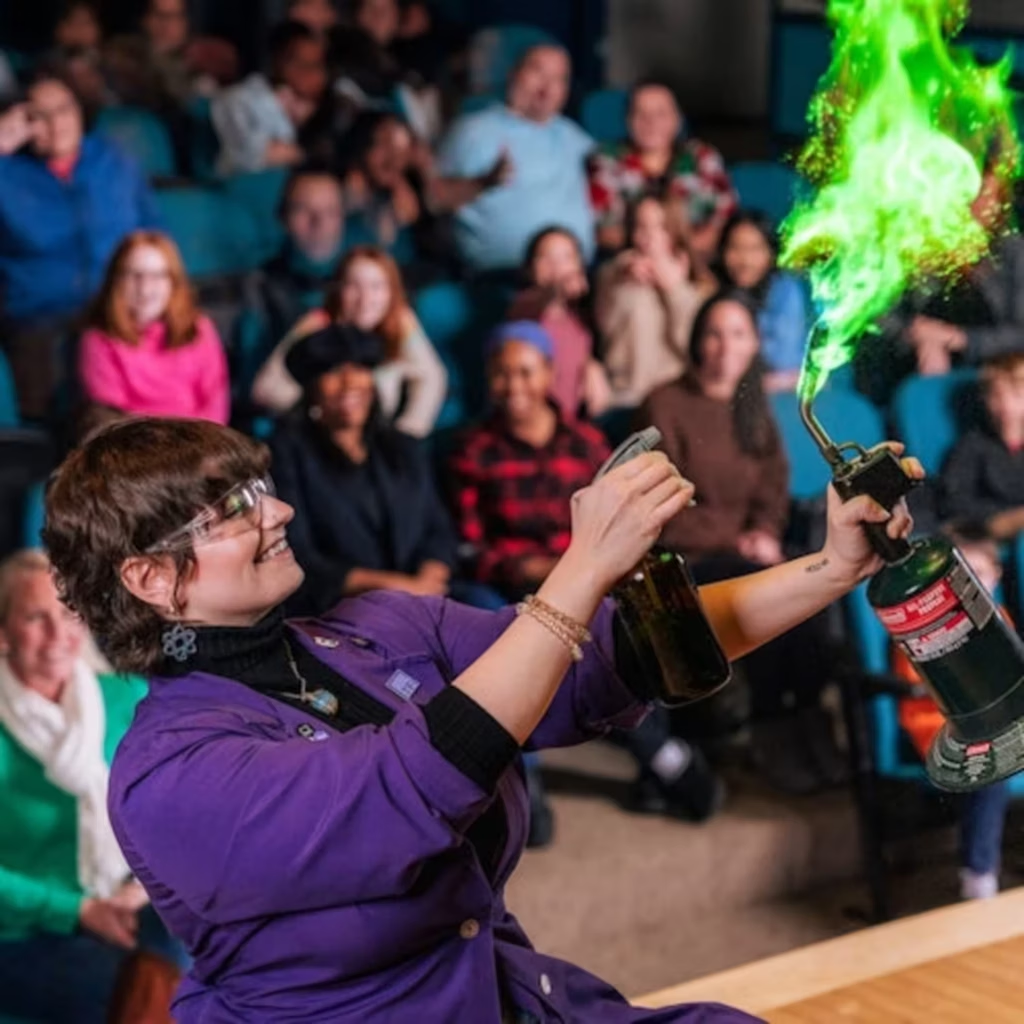
Live science demonstration with smoke effects at The Franklin Institute

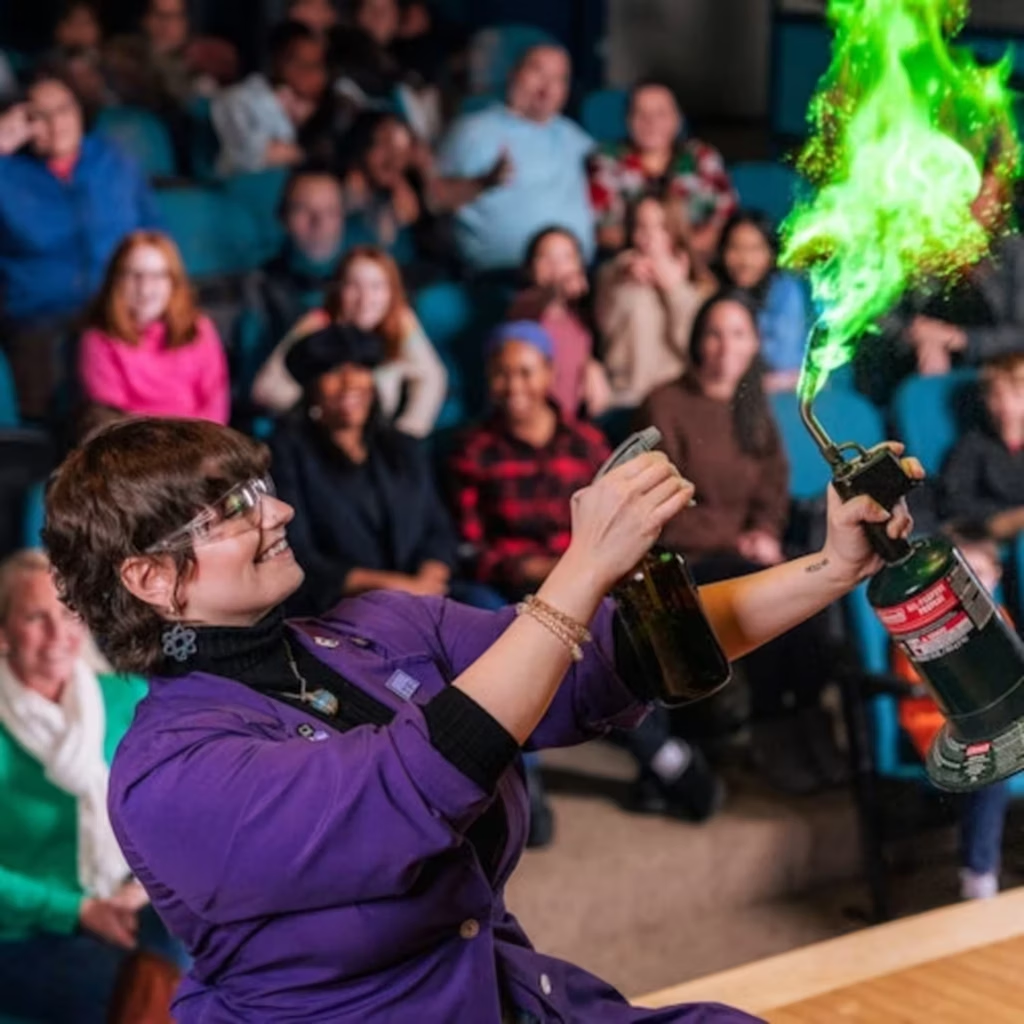
Exhibits are only part of a visit. Every day the museum runs live science demonstrations in the Musser Theater, where educators use experiments to explain key scientific ideas, and our ticket includes these daily presentations. Check the schedule when you arrive and build one or two shows into your route, as they are a good break between galleries.

The Amazing Machine exhibit compares historic machines from the collection with the everyday devices they inspired, and seasonal family programs change through the year. For adults, Science After Hours evenings open the museum to visitors aged 21 and over. The museum is in the middle of a multi-year master plan, with new exhibits planned on earth systems, advanced machines and robotics, the built environment and computer science, so the galleries keep evolving.

Planning your route through the museum

Allow 3 to 4 hours to see the main exhibits, the planetarium and a live demonstration.

Visit the Giant Heart early in your day, as it is the museum's best-known exhibit.

Pair Wondrous Space with the Fels Planetarium, as they sit next to each other.

Check the planetarium and Musser Theater show times when you arrive and plan the galleries around them.

Finish in the rotunda at the Benjamin Franklin National Memorial and the Hamilton Collections Gallery.

See The Franklin Institute opening hours before you go to plan your arrival.

Quick tips before you go

Book your entry before the day so you can go straight in.

Wear comfortable shoes: the Giant Heart and the Neural Climb are both hands-on and active.

Leave time for the Hamilton Collections Gallery, which spans two floors.

With young children, start with Sir Isaac's Loft and the Giant Heart.

With teenagers, head first to Your Brain, SportsZone and Wondrous Space.

Read our directions to The Franklin Institute for transport and parking.

Combine the Franklin Institute with more of Philadelphia

The Franklin Institute is one stop on a great museum day in Philadelphia. For ancient history, continue at the Penn Museum. On the waterfront, the Independence Seaport Museum lets you climb aboard the historic Cruiser Olympia, and across the river the Battleship New Jersey Museum tells the story of a World War II battleship. See all our Philadelphia museums.

The Franklin Institute exhibits: FAQs

What are the main exhibits at The Franklin Institute?

The highlights are Body Odyssey with the Giant Heart, Wondrous Space, Your Brain with the Neural Climb, SportsZone, Sir Isaac's Loft, the Hamilton Collections Gallery with the Baldwin 60000 locomotive and the Benjamin Franklin National Memorial.

Is the Giant Heart still at The Franklin Institute?

Yes. The Giant Heart, first opened in 1954, is the centerpiece of Body Odyssey, which opened on November 23, 2024.

How big is the Giant Heart?

It is about 15,000 times larger than a real human heart, with tunnels and stairs that visitors climb through.

Is the Fels Planetarium included with entry?

Our Franklin Institute entry ticket includes the Fels Planetarium and its space shows. Check the ticket options shown when you book.

How old is the Fels Planetarium?

It opened in 1933 as the second planetarium in the United States and was rebuilt in 2002 with a 60-foot dome.

What is Wondrous Space?

A two-story, 7,500-square-foot space exhibit that opened on November 4, 2023, with immersive simulations and a Rover Design interactive.

How tall is the Neural Climb?

The Neural Climb in the Your Brain exhibit is 18 feet tall.

Is the Baldwin locomotive still on display?

Yes. The 350-ton Baldwin 60000 is the centerpiece of the Hamilton Collections Gallery, which opened on November 23, 2024.

How long should I spend at The Franklin Institute?

Allow 3 to 4 hours to see the main exhibits, a planetarium show and a live science demonstration.

Who made the Benjamin Franklin statue?

The 20-foot marble statue in the Benjamin Franklin National Memorial is by the sculptor James Earle Fraser.

When was The Franklin Institute founded?

The Franklin Institute was founded on February 5, 1824 and marked its 200th anniversary in 2024.

About this guide

Sources: The Franklin Institute, Exhibits and Experiences; The Franklin Institute, press release on reimagined exhibits for its bicentennial year (2024); The Franklin Institute, Wondrous Space press release (2023); The Franklin Institute, Your Brain; Wikipedia, Fels Planetarium.